
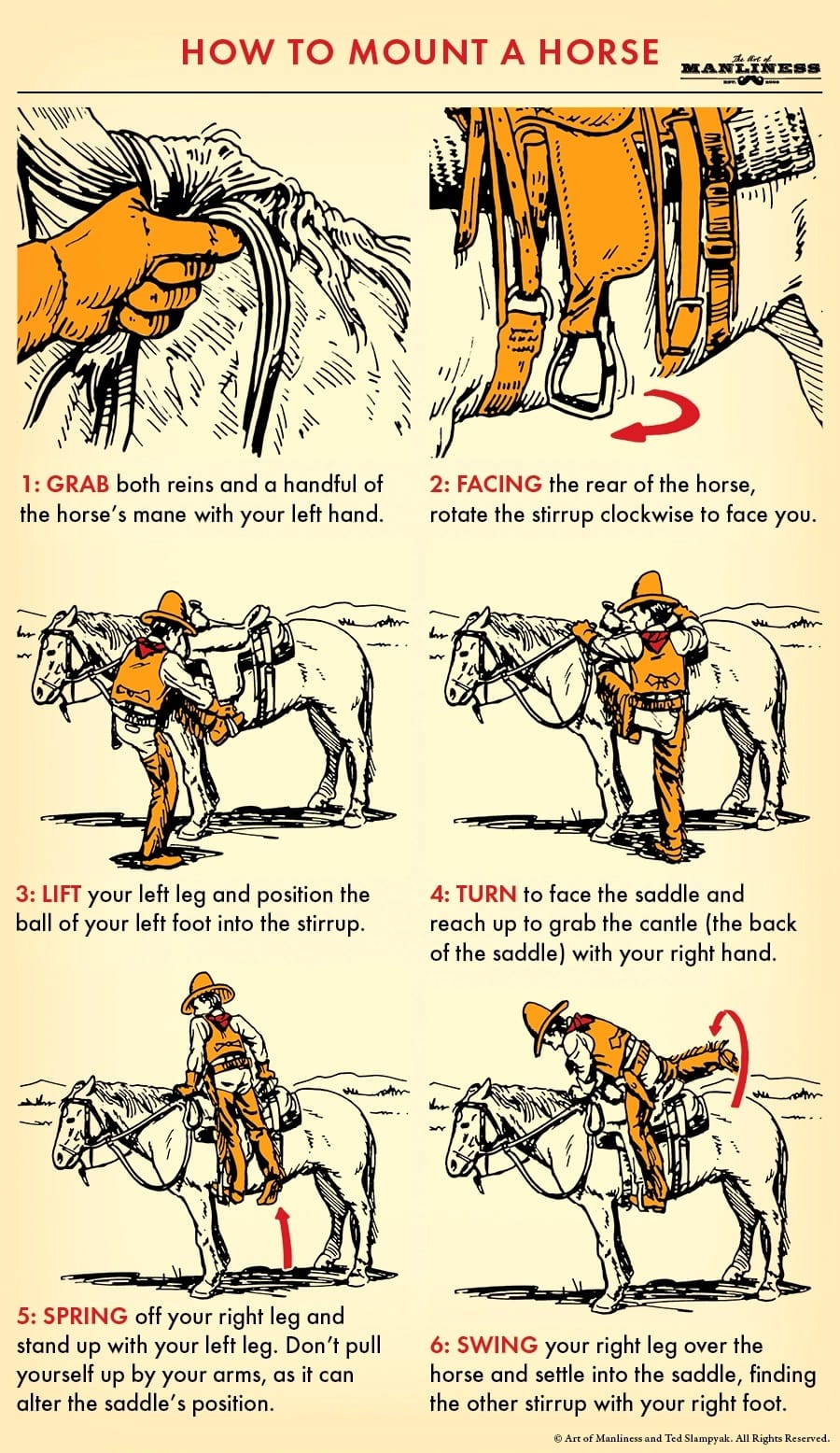
Mounting your horse is a fundamental part of riding, but it can be challenging if your horse isn’t accustomed to standing still. This guide will walk you through the process of teaching your horse to stand patiently for mounting, ensuring a safer and more enjoyable experience for both of you. Achieving this requires patience, consistency, and a clear understanding of horse behavior.
Understanding Horse Behavior and Mounting
Horses are prey animals, and their natural instinct is to flee from perceived threats. The act of a human climbing onto their back can be intimidating. Therefore, training a horse to stand for mounting is about building trust and teaching them that this action is not a threat, but a normal part of their routine. We want to create a positive association with the mounting process.
The Importance of Trust and Consistency
Trust is the cornerstone of any successful horse-human relationship. Your horse needs to trust that you will not cause them harm. Consistency in your training methods is crucial. Every interaction, every command, and every reward should be predictable. This helps your horse understand what you expect. Sporadic training or inconsistent reactions can confuse your horse and hinder progress.
Preparation: Setting the Stage for Success
Before you begin the actual mounting training, there are a few preparatory steps that can make the process smoother.
Choosing the Right Environment
Start training in a familiar, safe, and enclosed area, such as a round pen or a small paddock. This minimizes distractions and allows your horse to focus on you. Avoid busy arenas or open fields where external stimuli might spook your horse. A calm and controlled environment is key.
Essential Equipment
You will need:
- A halter and lead rope: For controlling your horse.
- A mounting block: This helps you reach the saddle more easily and reduces the strain on your horse’s back. It also teaches your horse to stand patiently while you are at a higher level.
- Treats: Small, high-value treats (like small pieces of carrot or special horse treats) can be excellent positive reinforcement.
Groundwork Essentials
Ensure your horse is well-versed in basic groundwork exercises. This includes responding to voice commands, yielding to pressure, moving forward, backward, and sideways on command. A horse that understands and respects groundwork will be more receptive to mounting training. This foundation makes training a young horse to ride much more manageable.
Step-by-Step Training Process
This training is best approached in stages, gradually increasing the duration and complexity of the exercise.
Step 1: Teaching the “Stand” Command
Start by teaching your horse to stand still on command.
- Ask your horse to stand. Use a clear verbal cue like “Stand” or “Stay.”
- Reward any stillness, even for a few seconds, with praise and a treat.
- Gradually increase the duration your horse needs to stand before receiving a reward.
- Practice this in various locations and under different conditions to build reliability.
Step 2: Introducing the Mounting Block
Once your horse reliably stands on command, introduce the mounting block.
- Lead your horse to the mounting block.
- Ask your horse to stand next to the block. Reward them for standing calmly.
- If your horse is uncomfortable, allow them to investigate the block at their own pace. Do not force them.
- Practice having your horse stand next to the mounting block for extended periods.
Step 3: Simulating the Mounting Action
This is where you start to mimic the actual mounting process without putting your full weight on the horse.
- Stand next to your horse with the mounting block.
- Place one foot in the stirrup. Reward your horse for standing still.
- Gently swing your leg over the horse’s back, but do not sit down. Swing it back. Reward for stillness.
- Repeat this motion several times, gradually increasing the time you leave your leg over. Your horse should learn that this movement doesn’t mean you are actually mounting.
Step 4: Gradual Weight Transfer
This step involves slowly putting your weight into the stirrup and onto your horse’s back.
- Place your foot in the stirrup and begin to shift your weight.
- Apply gentle pressure as if you were about to mount.
- If your horse stands patiently, reward them immediately.
- If your horse moves, calmly disengage their hindquarters (move them in a small circle) and then ask them to stand again. Start with less weight transfer.
Step 5: The First Mounts
Once your horse is comfortable with the weight transfer, you can attempt a full mount.
- Ask your horse to stand with the mounting block.
- Place your foot in the stirrup and swing your leg over.
- As you swing your leg over, apply gentle pressure with your weight.
- If your horse remains steady, immediately praise and reward.
- You can choose to dismount immediately and reward again, or stay mounted for a few seconds before dismounting. The goal is to associate mounting with a positive outcome.
Step 6: Increasing Duration and Practice
As your horse becomes more confident, gradually increase the time you spend mounted.
- Stay mounted for longer periods.
- Practice mounting and dismounting multiple times in a session.
- Introduce mounting without the block, but only when your horse is very reliable with the block. This is similar to how to train a horse to be ridden where gradual introduction is key.
Addressing Common Challenges
Even with the best intentions, you might encounter some obstacles.
Horse Refusal or Spooking
If your horse refuses to stand, tries to move away, or spooks, it usually means you have progressed too quickly.
- Go back a step: Revert to the previous stage where your horse was comfortable and build confidence from there.
- Shorten the sessions: Keep training sessions short and positive. End on a good note.
- Identify the trigger: Is it the stirrup, your leg movement, or something else? Address that specific issue.
Mounting Block Issues
Some horses are wary of mounting blocks.
- Desensitization: Allow your horse to approach and sniff the block. Reward calm behavior.
- Start small: Use a very low block or even a sturdy curb initially.
- Positive association: Always pair the block with positive reinforcement.
Advanced Techniques and Considerations
Introducing Different Environments
Once your horse is reliable in a controlled environment, practice mounting in different locations. This could include the main arena, the riding paddock, or even near the stable. This helps generalize the behavior.
Mounting Without a Block
When your horse is consistently standing for mounting with a block, you can begin practicing without it. This typically involves reaching slightly higher for the stirrup. Again, progress slowly and reward heavily for success. This mirrors the principles in training a horse to back up where patience is paramount.
The Role of the Longe Line
A longe line can be invaluable for groundwork and for practicing the “stand” command without you needing to be directly beside the horse initially. It helps build the horse’s understanding of duration and stillness.
Incorporating Voice Commands
As your horse progresses, you can associate voice commands with each stage of the mounting process. For example, a specific cue for “stand,” another for “step up,” and a release cue.
Conclusion: Building a Reliable Partner
Training a horse to stand for mounting is a journey that builds a stronger bond between horse and rider. It requires patience, understanding, and consistent positive reinforcement. By breaking down the process into manageable steps and celebrating small successes, you can train your horse to stand patiently, making every ride a safer and more pleasant experience. Remember, the goal is not just a horse that stands, but a horse that trusts you and understands your cues. This foundational training is crucial for numerous riding disciplines, from trail riding to more complex equestrian sports like how to start training a horse for barrel racing.
