
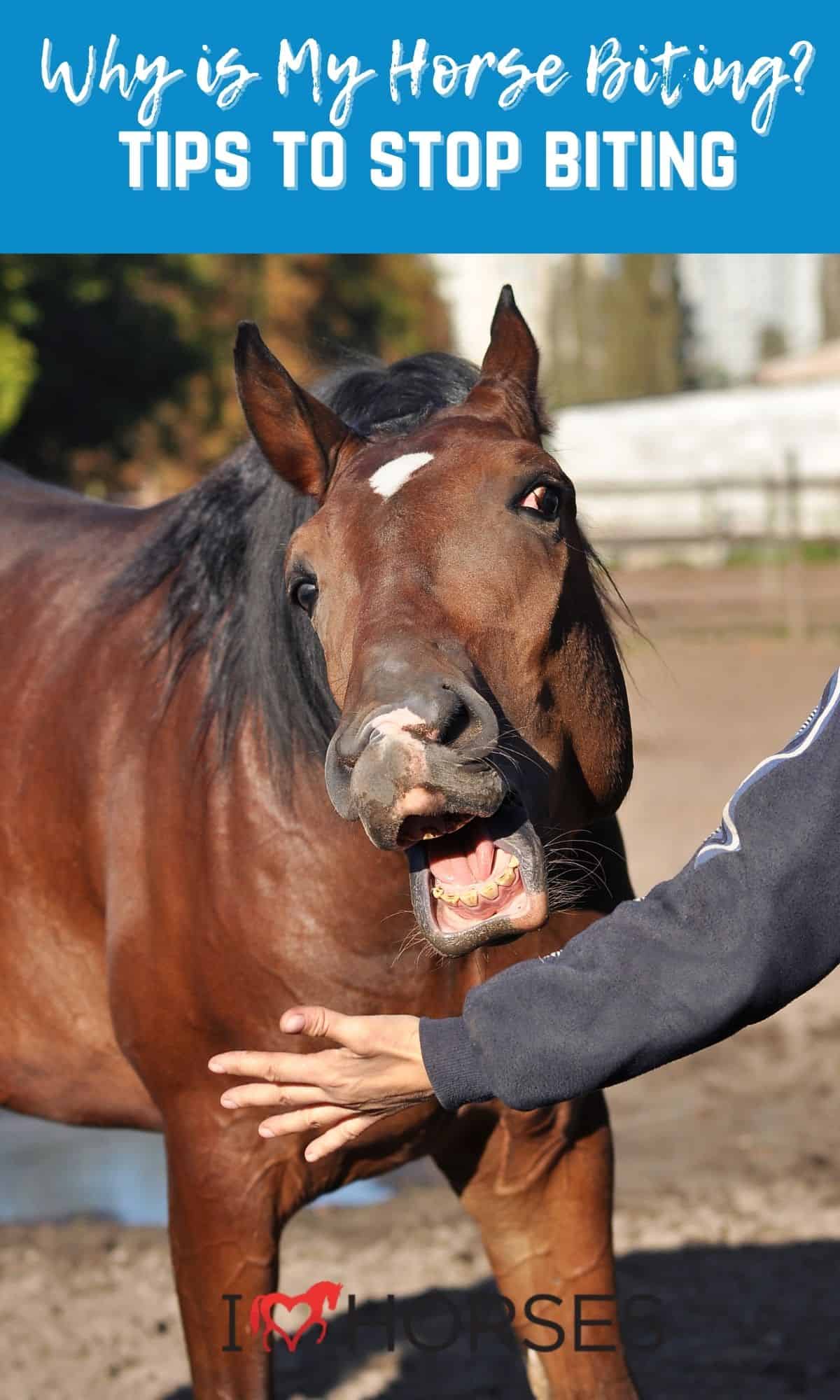
A sudden nip or a full-blown bite from a horse is more than just a bad habit—it’s a dangerous behavior that can shatter the trust between horse and handler. If you’re dealing with this frustrating issue, you’re not alone. The first step in knowing How To Train A Horse Not To Bite is understanding that it’s rarely born from pure malice. Biting is a form of communication, and it’s your job to decipher the message and establish clear, respectful boundaries.
This guide will walk you through the reasons behind biting and provide practical, effective techniques to create a safer, more harmonious partnership with your equine companion.
Why Do Horses Bite? Uncovering the Root Cause
Before you can correct the behavior, you need to understand its origin. Horses bite for several reasons, and identifying the “why” is crucial for choosing the right training approach. Think of yourself as a detective looking for clues.
Pain or Discomfort
This is one of the most common culprits. A horse might bite when being groomed or saddled because of a sore back, ill-fitting tack, or sensitive skin. Dental issues are another major cause of pain-related biting. If the behavior is new or occurs during specific activities, a veterinary check-up should be your first priority. A normally gentle horse that suddenly snaps when you tighten the cinch is sending a clear signal of discomfort.
Fear and Defense
A horse that feels cornered or frightened may bite as a defensive last resort. This is a reaction, not an act of aggression. Look at the horse’s body language: are its ears pinned back? Is its body tense? This type of biting is often a symptom of a larger confidence issue that needs to be addressed with patience and trust-building exercises.
Dominance and Testing Boundaries
In a herd, horses establish a pecking order through body language, which can include nipping and biting. Your horse may be testing you to see who is the leader in your two-member herd. This often starts as small, seemingly innocent nips and can escalate if not corrected. It’s a natural behavior, but one that cannot be allowed with human handlers for safety reasons. Inconsistent handling can inadvertently teach a horse that they can be pushy or disrespectful.
Learned Behavior
Horses are incredibly smart and learn quickly. If a horse learns that a nip gets them a treat or makes you back away, the behavior will be reinforced. This is especially common with horses that are frequently hand-fed treats, as they can become mouthy and start searching your pockets and hands for snacks. Even a playful nudge can become a problem, which is why a well-meaning owner can accidentally create a problem horse trainer scenario for themselves without realizing it.
Establishing Yourself as the Leader: The Foundation
The core of stopping a biting habit is establishing clear leadership. This doesn’t mean being a bully; it means earning your horse’s respect through consistent and fair groundwork. A horse that sees you as the leader is less likely to challenge your authority with a bite.
The Personal Space Bubble
The most important rule is that the horse is not allowed to enter your personal space uninvited. Imagine a bubble around you about an arm’s length in every direction. Your horse should not move into this space unless you ask it to. If it walks into you, nudges you with its head, or swings its body toward you, you must correct it immediately by making it move back and out of your bubble.
Groundwork for Respect
Consistent groundwork is the language of leadership. Simple exercises, done for just a few minutes each day, can completely change your relationship.
- Backing Up: Your horse should back away from you with only a light suggestion of pressure or a verbal cue. A horse that willingly backs up is showing respect.
- Yielding the Hindquarters and Forequarters: Teaching your horse to move its front and back ends away from you on command reinforces that you control the space and movement.
Practical Techniques to Stop Biting
Once you’ve ruled out pain and are working on groundwork, you can implement specific corrections for the biting itself. The key is timing—a correction must be made within a second or two of the offense for the horse to make the connection.
The Immediate Correction
The moment your horse attempts to bite or nip, a swift and firm correction is necessary.
- A Sharp Verbal Cue: A loud, sharp “No!” or “Quit!” can be surprisingly effective.
- Make Them Move: Immediately after the verbal cue, make the horse move its feet. Have it back up several steps quickly or disengage its hindquarters. A horse cannot bite you if it is busy moving away from you. This action re-establishes your space and authority.
What Not to Do When Training a Horse Not to Bite
It can be tempting to react out of frustration, but some methods are counterproductive. Hitting or slapping a horse on its face or muzzle is a common mistake. This can make the horse head-shy, fearful of your hands, and may even escalate the biting as the horse learns to defend itself from the slap. An aggressive response from you can quickly create a dangerous situation, and it’s important to remember you can’t win a physical fight with a 1,000-pound animal. Some of the most severe incidents, like when a horse attacks trainer, stem from fear and defensive reactions, not inherent aggression.
Teaching Treat Manners
If you give your horse treats, you must enforce strict rules to prevent mouthiness.
Expert Tip: “Never feed a horse treats from your open hand,” advises Dr. Sarah Miller, an equine behaviorist. “Doing so encourages them to view your hands as a vending machine. Tossing the treat into a feed bucket is a much safer alternative.”
If you do offer a treat, the horse must stand still, with its head away from you, and wait patiently. Only then should it receive the reward in a bucket or on the ground, not from your fingers.
Consistency is Key for Lasting Change
A horse will only learn if the rules are always the same. Every single person who handles the horse—from you to the farrier to your family members—must enforce the same no-biting policy. Inconsistency is confusing for a horse and will undermine your training efforts. Remember that you are not just stopping a bad habit; you are building a new foundation of respect that requires constant reinforcement.
Sometimes, despite best efforts, the behavior persists or is too aggressive for an owner to handle safely. If you feel fearful or your corrections are not working, it is time to call a professional trainer or equine behaviorist. They have the experience to assess the situation and implement a safe and effective training plan. Furthermore, if you suspect the biting is related to pain, always consult your veterinarian.
Frequently Asked Questions (FAQ)
Is nipping different from a full-blown bite?
Yes, but it should be treated with the same seriousness. Nipping is often a precursor to a harder bite. It’s a test of boundaries. If you allow gentle nips, you are teaching the horse that putting its mouth on you is acceptable, which can lead to a more dangerous bite later.
How long does it take to train a horse not to bite?
The timeframe varies greatly depending on the horse, the root cause of the biting, and your consistency. Some horses learn in a few sessions, while ingrained habits can take weeks or months of consistent work to resolve.
Can you ever fully trust a horse that bites?
Trust can be rebuilt, but it requires time and consistent, positive experiences. Once a horse understands the boundaries and respects you as a leader, the biting behavior should cease. However, it’s crucial to always remain vigilant and practice safe handling.
What if my horse only bites when being saddled?
This is a classic sign of pain or discomfort. First, have a veterinarian and a professional saddle fitter check your horse and tack. If pain is ruled out, the behavior may be a learned response from past discomfort. In this case, you’ll need to re-train the saddling process, using positive reinforcement to create a new, pleasant association.
Should I use a muzzle to stop biting?
A muzzle can be a useful management tool to ensure safety, especially for veterinarians or farriers, but it is not a training solution. It prevents the bite but doesn’t address the underlying reason for the behavior. Use it for safety when needed, but focus your energy on training the horse to understand why it shouldn’t bite in the first place.
A Partnership Built on Respect
Learning how to train a horse not to bite is fundamentally about improving your communication and strengthening your relationship. By understanding the cause, establishing yourself as a fair and consistent leader, and applying immediate and appropriate corrections, you can eliminate this dangerous habit. The goal is to build a partnership where your horse feels safe and understands its boundaries, leading to a safer and more enjoyable experience for both of you.
