
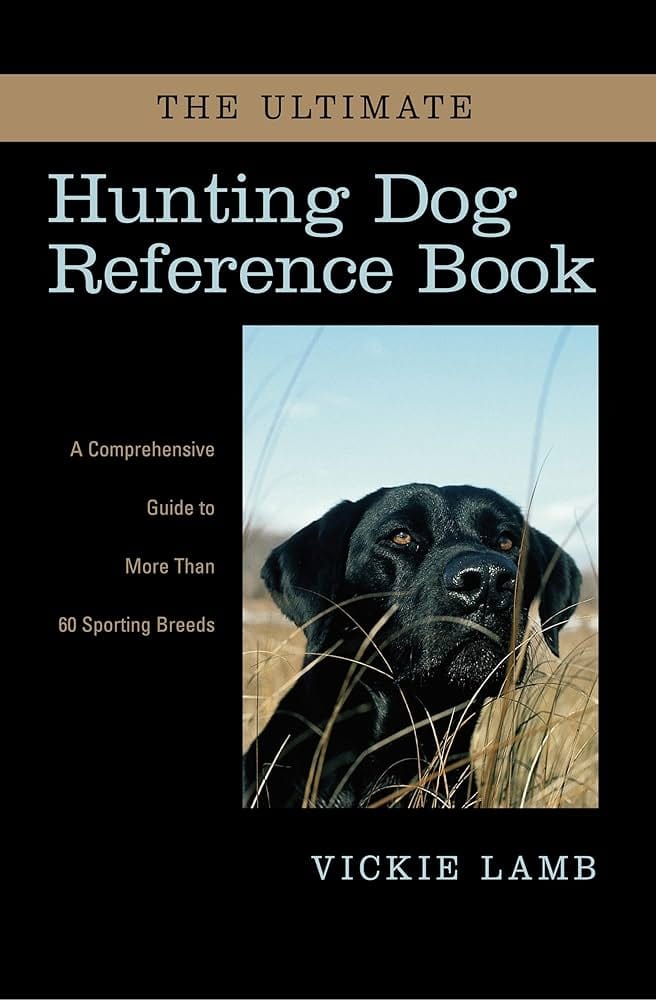
Training a gun dog is a rewarding journey that requires patience, consistency, and a deep understanding of canine behavior. Whether you’re aiming for the field or simply want a well-behaved companion with a natural aptitude for retrieving, the principles remain the same. This guide will walk you through the essential steps, from foundational obedience to specialized gundog skills, ensuring your four-legged partner is ready for any adventure.
Understanding the Essence of Gun Dog Training
Gun dog training is fundamentally about harnessing a dog’s natural instincts – retrieving, scenting, and pointing – and refining them through positive reinforcement and clear communication. It’s not just about making your dog fetch; it’s about building a partnership based on trust and mutual understanding. The goal is to create a dog that is responsive, reliable, and a joy to work with, whether in a hunting scenario or simply enjoying a game of fetch in the park.
The Foundation: Basic Obedience
Before diving into specialized gundog drills, a solid foundation in basic obedience is paramount. A gun dog must be a good canine citizen first. This includes mastering commands like “sit,” “stay,” “come,” and “heel.” These commands form the building blocks for more complex training and ensure your dog’s safety and controllability in various environments.
- Sit: Teach your dog to sit on command, a fundamental behavior for control and focus.
- Stay: Develop your dog’s ability to remain in a stationary position until released. This is crucial for field work and everyday life.
- Come (Recall): A reliable recall is non-negotiable. Your dog must return to you immediately when called, regardless of distractions.
- Heel: Train your dog to walk politely beside you without pulling.
Consistent practice and positive reinforcement, such as treats and praise, are key to establishing these behaviors.
Introducing the Concepts of Gun Dog Work
Once basic obedience is solid, you can begin introducing concepts specific to gun dog training. This often starts with developing a strong retrieve drive and familiarizing your dog with retrieving dummies and other training aids.
Developing a Natural Retrieve
Most breeds suitable for gundog work have a natural inclination to retrieve. Your job is to nurture and refine this instinct.
- Introduce the Dummy: Start with a soft, lightweight dummy that your dog can easily pick up and carry. Encourage your dog to take it in its mouth, offering praise and rewards.
- Short Tosses: Begin with very short tosses, encouraging your dog to retrieve the dummy and bring it back to you.
- “Fetch” and “Give”: Associate commands like “fetch” when you want your dog to go for the dummy and “give” when you want them to release it.
- Increase Distance: Gradually increase the distance of the throws as your dog becomes more confident and consistent.
Remember to keep these sessions short, fun, and rewarding to maintain your dog’s enthusiasm. For those interested in specific techniques for younger dogs, exploring gun dog training for puppies can provide valuable insights.
Introducing the “Mark”
In gundog training, a “mark” refers to the dog watching and remembering where a thrown object lands. This is critical for retrieving downed game.
- Simulate a Retrieve: Throw a dummy and have your dog watch it land. Immediately encourage them to retrieve it. The key is for the dog to see the dummy fall.
- Build Association: The dog learns to associate the throw with the retrieve. This visual cue is the foundation for them to find and retrieve game later.
Advanced Gun Dog Training Techniques
As your dog progresses, you can introduce more advanced techniques, including steadiness, force fetching, and scent discrimination.
Steadiness Training
Steadiness is the ability of a gun dog to remain calm and stationary while birds are flushed or shots are fired, waiting for the command to retrieve. This is crucial for safety and efficiency in the field.
- Controlled Environment: Begin in a controlled setting, perhaps with a training partner who can simulate a flush or a controlled noise.
- Gradual Exposure: Start with minimal distractions and gradually introduce stimuli. Reward your dog for remaining calm and focused.
- “Wait” Command: Use a clear “wait” command and reward your dog for holding its position.
This training requires immense patience and consistency. For those in specific regions, resources for gun dog training mn might offer localized expertise.
Force Fetching (Optional but Recommended)
Force fetching is a method used to ensure a dog reliably picks up and delivers game. While some prefer entirely positive methods, force fetching can instill a strong sense of obligation in the retrieve. It’s a technique that should be introduced carefully and ethically.
- Gentle Introduction: Start by gently holding your dog’s muzzle and rewarding them for holding a dummy.
- Progressive Steps: Gradually introduce pressure and rewards, teaching the dog that holding and delivering the dummy is the quickest way to relieve pressure and receive a reward.
- Professional Guidance: It is highly recommended to seek guidance from an experienced gundog trainer for force fetching to ensure it is done correctly and humanely.
Introducing the Gun Shot
Familiarizing your dog with the sound of a gun is a critical step. This must be done gradually and positively to prevent fear or anxiety.
- Sound Association: Start with a less intimidating sound, like a cap gun or a starter pistol, at a significant distance.
- Positive Reinforcement: Pair the sound with something your dog loves, like treats or a favorite toy.
- Gradual Proximity: Over many sessions, slowly decrease the distance and increase the volume of the sound, always ensuring your dog remains comfortable and happy. If your dog shows any signs of stress, increase the distance or stop the session. Understanding tools like a dog training cap gun can be part of this process.
Field Work and Advanced Skills
Once your dog is steady and comfortable with various stimuli, you can move to more realistic field scenarios.
Blind Retrieves
A blind retrieve is when the dog does not see the object being thrown or dropped. The handler must direct the dog to the retrieve using whistle commands and hand signals. This requires a strong understanding of the dog’s steadiness and recall, as well as precise handling.
Honoring
In a hunting scenario, if another dog retrieves a bird, your dog should remain steady and wait for their turn. This is known as “honoring” and demonstrates a high level of training and respect for the handler and other working dogs.
Common Challenges and Solutions
- Lack of Drive: If your dog shows low interest, ensure their retrieving sessions are fun and rewarding. Try different types of retrieves or toys.
- Fear of Gunfire: Go back to basics with sound desensitization. Never force a dog to face their fear.
- Breaking Steadiness: If your dog breaks point or retrieve too early, return to simpler exercises that reinforce the “stay” or “wait” command. Make sure the reward for staying steady is greater than the reward for breaking.
- Distractions: Practice in increasingly distracting environments. Start with mild distractions and build up to more challenging situations.
To truly master these skills, resources like gun dog puppy training and gun dog training for puppies offer tailored advice for the youngest learners.
The Partnership: Beyond the Training Field
Gun dog training is more than just teaching commands; it’s about forging an unbreakable bond. A well-trained gun dog is a partner, a companion, and a testament to the dedication and understanding between human and canine. Whether you’re navigating the complexities of gun dog training near me or practicing in your backyard, the journey itself is as important as the destination. The skills learned in gundog training translate into a more confident, obedient, and integrated canine family member, ready to share life’s adventures with you.
