
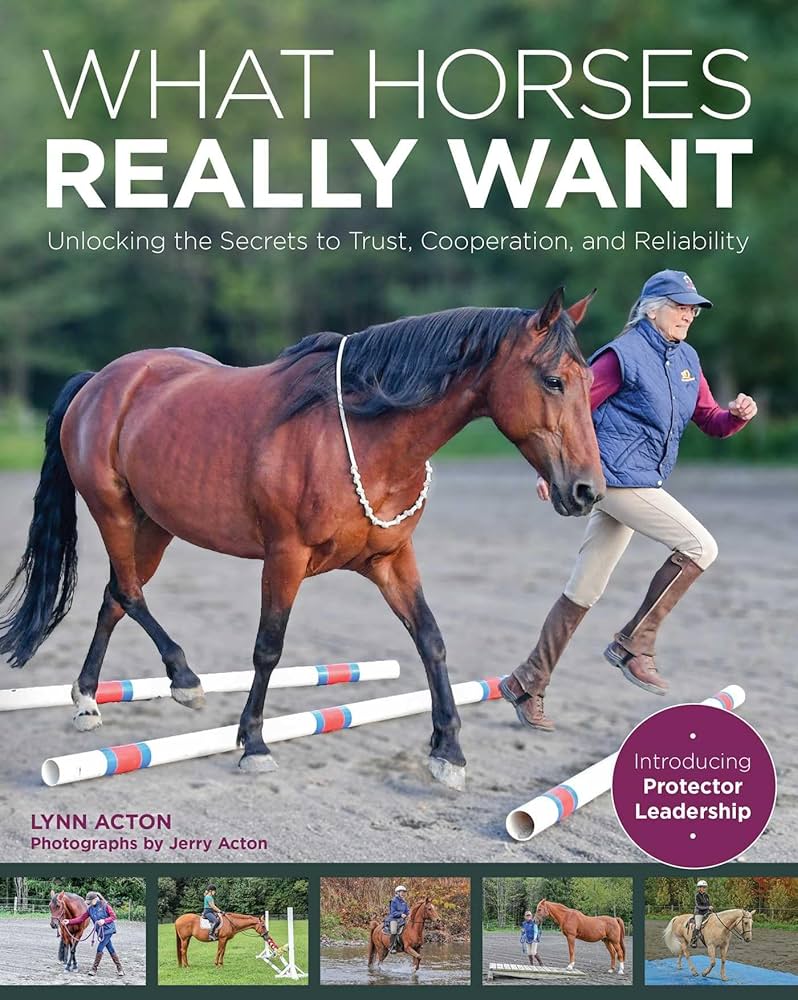
The journey of training a green broke horse is a deeply rewarding experience, demanding patience, consistency, and a profound understanding of equine behavior. A “green broke” horse, typically one that has completed initial training but still needs refinement and experience, presents a unique set of challenges and opportunities for both horse and rider. This guide aims to equip you with the knowledge and techniques necessary to successfully navigate this crucial stage of a horse’s development, fostering a confident, responsive, and well-rounded equine partner. We will delve into the foundational principles of working with these young horses, exploring methods that build trust, clarify communication, and prepare them for a multitude of disciplines.
Understanding the Green Broke Horse
A green broke horse has been introduced to basic commands and ridden work, but their understanding is often superficial. They may respond to cues, but their application can be inconsistent, and they might lack the polish and confidence of a more experienced mount. It’s crucial to remember that these horses are still learning and processing the world around them. Their reactions, whether hesitant or enthusiastic, stem from a lack of experience, not malice. Approaching them with empathy and a clear training plan is paramount.
Common Characteristics and Challenges
Horses at this stage often exhibit a range of behaviors:
- Sensitivity: They may be easily startled or spooked by new objects, sounds, or movements.
- Inconsistency: Responses to aids can vary; sometimes they understand, other times they seem to “forget.”
- Testing Boundaries: They might push limits to see what they can get away with, a natural part of their learning process.
- Lack of Self-Carriage: They may not yet have the muscle development or understanding to carry themselves independently for extended periods.
- Forwardness or Hesitation: Some may rush forward out of uncertainty, while others may shut down or become hesitant.
Understanding these characteristics allows for proactive training, helping to anticipate and manage potential issues before they become ingrained habits.
Foundational Principles for Training
Successful training of a green broke horse hinges on a few core principles that build a strong partnership. These aren’t just techniques; they are the bedrock of ethical and effective horsemanship.
Building Trust and Establishing a Partnership
Trust is the cornerstone of any relationship with a horse, and it’s especially vital when working with a green broke individual. Every interaction should be aimed at building this trust. This means being predictable, fair, and always following through on what you ask.
- Consistency: Use the same cues for the same commands every time. Avoid confusing the horse with mixed signals.
- Fairness: Never ask for more than the horse is capable of at that moment. Reward effort and progress, not just perfection.
- Positive Reinforcement: Reward desired behaviors with praise, a pat, or a brief cessation of work. This helps the horse associate training with positive experiences.
- Clear Communication: Ensure your aids are clear, timely, and appropriate. The horse needs to understand what you are asking.
The Importance of Patience and Repetition
Green horses are not robots; they learn through repetition and consistent exposure. Patience is not just a virtue; it’s a necessity. Rushing the process can lead to frustration for both horse and rider and can create ingrained bad habits.
- Short, Focused Sessions: Keep training sessions relatively short, especially in the beginning, to prevent the horse from becoming fatigued or overwhelmed.
- Break Down Tasks: Complex maneuvers should be broken down into smaller, manageable steps. Master each step before moving on.
- Repetition with Variation: Repeat exercises to build muscle memory and understanding, but introduce slight variations to ensure the horse is truly responding to your aids and not just a learned sequence.
Establishing a Solid Foundation: Groundwork
Groundwork is indispensable for training a green broke horse. It allows you to establish leadership, improve communication, and build confidence in a safe environment before you even mount.
Key Groundwork Exercises:
- Leading: Practice leading the horse calmly and confidently, teaching them to yield to pressure and move with you.
- Lunging: Lunging helps develop obedience, balance, and responsiveness to voice commands and body language. It also provides a way to exercise the horse and assess their gaits and soundness.
- Desensitization: Gradually expose the horse to various stimuli (like tarps, reins, whips, or different objects) in a controlled manner to reduce spookiness and build confidence.
- Yielding to Pressure: Teach the horse to move away from gentle pressure on various parts of their body. This is fundamental for understanding rein and leg aids.
Riding the Green Broke Horse
Once groundwork is established, transitioning to ridden work requires careful planning and execution. The goal is to apply the principles learned on the ground in a ridden context, reinforcing trust and clear communication.
Getting Started Under Saddle
- Saddling and Bridling: Ensure the horse is comfortable with tack. Introduce it gradually and make the process a positive experience.
- First Rides: Keep initial rides short, calm, and focused on basic commands like walk, halt, and gentle turns. Ride in a safe, enclosed area.
- Voice and Body Language: Continue using clear voice commands and consistent body language. The horse is still learning to interpret your aids through the reins and legs.
Developing Basic Gaits and Transitions
The walk, trot, and canter are the building blocks of ridden work. For a green horse, focusing on smooth, controlled transitions between these gaits is more important than speed or flash.
- Walk: Ensure the horse walks forward willingly and responds to halts.
- Trot: Encourage a working trot, focusing on rhythm and balance. Practice transitions from walk to trot and trot to walk.
- Canter: Introduce the canter gently, focusing on obtaining it from a trot and returning to a walk or trot smoothly. Initially, cantering in straight lines or large circles is best.
Introducing Turns and Steering
Steering is a critical skill that requires the horse to understand how to yield to rein and leg pressure to change direction.
- Gentle Turns: Begin with large, sweeping turns, gradually refining them as the horse understands.
- Leg Yields: Teach the horse to move laterally away from your leg aids. This is crucial for collection and advanced maneuvers.
- Control: Emphasize controlled turns, ensuring the horse remains balanced and responsive.
Advanced Training and Refinement
As the horse gains confidence and understanding, you can introduce more complex exercises and begin to refine their responses.
Introducing Lateral Work
Lateral exercises, such as leg yields and eventually the beginning of leg-jumping (where the horse moves sideways away from the leg), are important for developing suppleness, balance, and responsiveness. These exercises teach the horse to engage their core and move with more athleticism.
Developing Collection and Engagement
Collection is about the horse shortening its frame and engaging its hindquarters, leading to more power and athleticism. This isn’t about forcing the head down, but encouraging the horse to use its body correctly.
- Engaging the Hindquarters: Use leg aids to encourage the hind legs to step under the horse’s body.
- Suppling Exercises: Incorporate exercises like serpentines and circles to help the horse stay supple and responsive through the turns.
Working Towards Specific Disciplines
Whether your goal is dressage, jumping, Western riding, or trail riding, the principles remain the same: build a solid foundation of trust, obedience, and athleticism. As the horse progresses, you can tailor your training to the specific demands of your chosen discipline. For example, a horse intended for jumping will need more work on developing a good bascule over fences, while a dressage horse will focus on the precision of its gaits and movements.
Health, Nutrition, and Management
A well-trained horse is a healthy horse. Proper care, nutrition, and management are integral to the training process.
Nutritional Needs
A balanced diet is crucial for a young, developing horse. Consult with a veterinarian or equine nutritionist to determine the appropriate feed and supplements for your horse’s age, workload, and breed. Adequate protein, vitamins, and minerals support muscle development, bone health, and overall energy levels.
Veterinary Care and Preventative Measures
Regular veterinary check-ups, vaccinations, and deworming are essential. Addressing any minor health issues promptly can prevent them from escalating and hindering training progress. Hoof care is also paramount; regular farrier visits ensure the horse’s feet are healthy and balanced, which directly impacts their ability to work comfortably and soundly.
The Role of Rest and Recovery
Green horses, like all athletes, need adequate rest and recovery time. Overtraining can lead to physical and mental burnout, resulting in a decline in performance and an increase in behavioral problems. Ensure your training schedule includes days off and opportunities for the horse to simply be a horse, grazing and relaxing.
Conclusion: The Reward of Partnership
Training a green broke horse is a marathon, not a sprint. It requires dedication, a deep understanding of equine psychology, and a commitment to ethical horsemanship. The challenges are significant, but the rewards—a willing partner, a deep bond of trust, and a horse that moves with confidence and grace—are immeasurable. By applying patience, consistency, and a focus on building a strong partnership, you can unlock the full potential of your green horse and enjoy a fulfilling journey together. Remember that every horse is an individual, and adapting your approach to meet their specific needs is key to success. The journey of [how to train a green broke horse] is ongoing, filled with continuous learning and mutual respect.
