
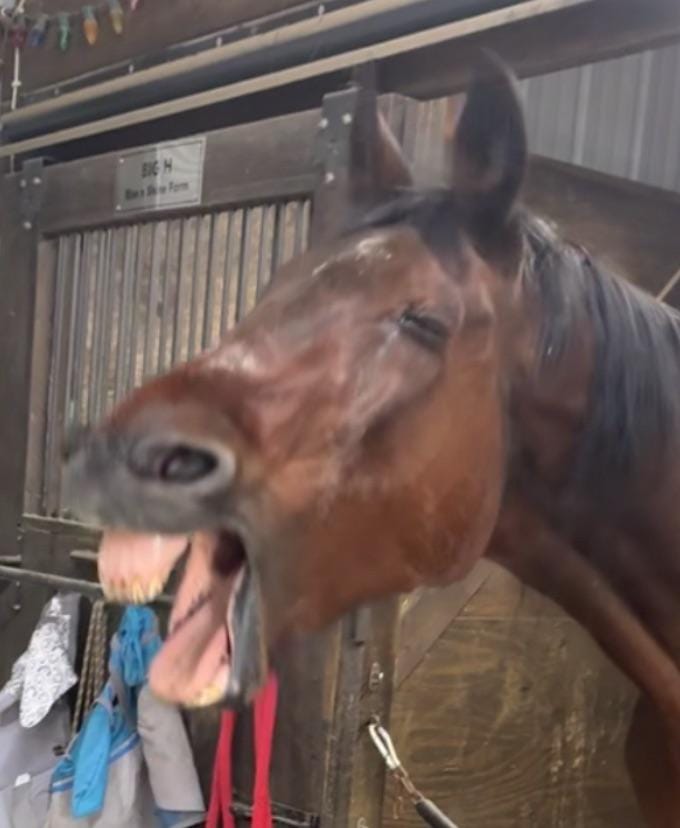
Training a green broke horse is a journey that demands patience, consistency, and a deep understanding of equine behavior. It’s about building a solid foundation of trust and communication, transforming a young, untamed animal into a reliable partner. This process isn’t just about teaching commands; it’s about shaping a confident, willing equine through clear guidance and ethical practices. Whether you’re a seasoned trainer or embarking on this adventure for the first time, approaching the training of a green broke horse with the right mindset and techniques is paramount to success.
Understanding the “Green Broke” Horse
A “green broke” horse is one that has had the very basics of riding introduced but lacks experience, refinement, and a deep understanding of cues. They might understand leg pressure to move forward or yield to the bit, but these responses are often inconsistent and lack nuance. This stage is critical; it’s where the horse learns to interpret human aids reliably and where the foundation for all future training is laid. It’s crucial to remember that at this stage, the horse is still very much learning and may be easily confused or frightened.
Key Characteristics of a Green Broke Horse:
- Inconsistent Responses: May move forward with leg pressure one moment and ignore it the next.
- Reliance on Rider Aids: Often needs constant leg, rein, or seat cues to maintain a gait or direction.
- Lack of Suppleness: May be stiff and unwilling to bend or yield freely.
- Sensitivity and Spookiness: More prone to startle at new objects, sounds, or movements.
- Limited Understanding of Cues: May not clearly understand the difference between various rein or leg signals.
The Foundation of Trust and Communication
Before diving into specific exercises, establishing a strong bond based on trust and clear communication is essential. This starts from the ground and progresses to riding.
Groundwork: The Cornerstone of Training
Groundwork is non-negotiable when training a green broke horse. It allows you to establish leadership and teach essential communication without the added complexity of a rider.
Leading and Haltering
Ensure the horse follows you willingly on a lead rope, stops when you stop, and yields to pressure. Proper halter training is fundamental.
Desensitization
Gradually expose the horse to various stimuli: plastic bags, whips, tarps, different sounds. Start from a distance and slowly decrease it as the horse remains calm. The goal is not to eliminate spooking entirely but to teach the horse to process frightening things and look to you for guidance.
Yielding to Pressure
Teach the horse to move away from pressure on their body (e.g., push gently on their flank or shoulder). This teaches them to respect your space and respond to cues.
Building a Relationship
Spend time with your horse outside of training sessions. Grooming, hand-grazing, and simply being present in their space help build rapport and mutual respect. A horse that trusts you is far more likely to try for you.
Essential Riding Skills for Green Broke Horses
Once groundwork is progressing well, you can begin introducing or refining ridden maneuvers. The key is to introduce one concept at a time and ensure the horse understands it before moving on.
1. Forward Movement and Responsiveness
- The Walk: Start by asking for a consistent walk. Use gentle leg cues to encourage forward motion. If the horse hesitates, apply slightly more pressure, but immediately release and praise when they move forward.
- Stopping: Teach a clear stop cue, often a combination of a verbal cue and a slight rein pressure. Ensure the horse stops promptly and remains stopped until cued to move.
- Gait Transitions: Practice walking to a halt, halting to a walk, and eventually introducing a jog or trot. Keep transitions smooth and clear.
2. Steering and Turning
- Direct Reins: Use direct rein pressure to guide the horse’s head and neck.
- Leg Yields: Ask the horse to step sideways away from your leg pressure, both on the ground and under saddle. This is crucial for collection and lateral movements later on.
- Bending: Gradually ask the horse to bend around your inside leg and follow the contour of a circle. Start with large circles and gradually make them smaller as the horse becomes more supple.
3. Introduction to Collection and Extension
- Collection: Encouraging the horse to engage their hindquarters and carry themselves more over the bit. This is a subtle cue initially, asking the horse to shorten their stride slightly and become more responsive.
- Extension: Asking the horse to lengthen their stride and cover more ground. This is the opposite of collection and requires a forward mindset.
Advanced Training Concepts and Refinements
As the horse gains confidence and understanding, you can introduce more complex concepts.
1. Introduction to Lead Changes
Once the horse is comfortable trotting and cantering on a given lead, introduce lead changes. Start with simple, controlled changes on large circles or straight lines.
2. Developing Suppleness and Balance
Exercises such as serpentines, figure-eights, and lateral movements (leg-yields, shoulder-in) will improve the horse’s suppleness, balance, and responsiveness to subtle aids.
3. Riding Patterns and Exercises
Gradually introduce simple patterns like squares, triangles, and circles at different gaits. This reinforces understanding and builds the horse’s ability to follow directions.
Common Challenges and Solutions
- Refusal to Move Forward: This often stems from a lack of understanding or fear. Go back to groundwork, ensure clear cues, and reward any attempt to move forward. Check for physical discomfort.
- Rearing: A sign of fear, frustration, or lack of respect. Address the root cause. If it’s fear, desensitize. If it’s dominance, reinforce groundwork leadership. Never punish rearing, as it can escalate the behavior.
- Balking (Stopping Suddenly): Similar to refusal to move forward, this requires patience and identifying the trigger. It could be a new object, a confusing cue, or physical resistance.
- Stiffness/Resistance to Aids: This often indicates a need for more suppling exercises and clearer communication. Ensure your aids are consistent and that the horse understands what is being asked.
The Importance of Professional Guidance
While much can be achieved through diligent self-training, seeking advice from experienced trainers is invaluable, especially when dealing with green broke horses. A professional can identify subtle issues, provide tailored exercises, and ensure you are on the right track. Investing in professional guidance, such as clinics or lessons on how to train a green broke horse, can save time, prevent the development of bad habits, and ensure the horse’s welfare.
Conclusion: A Rewarding Partnership
Training a green broke horse is a significant undertaking, but the rewards are immense. It’s about building a partnership founded on mutual respect, clear communication, and shared goals. Every session, every small success, contributes to a stronger bond and a more capable, confident horse. Remember to celebrate the progress, stay patient through the challenges, and always prioritize the horse’s well-being. The journey of training a green broke horse is not just about creating a riding partner, but about forging a deep and lasting connection.
