
Emotional Support Animals (ESAs) provide invaluable comfort and companionship to individuals struggling with emotional and psychological challenges. Unlike service animals, ESAs do not require specialized task training, but they do need to be well-behaved and integrated into their owner’s life. Proper training is crucial for an ESA dog to be a positive influence, ensuring they are a calm and reliable presence. This guide will walk you through the essential steps and considerations for training your ESA dog, covering everything from basic obedience to specific behaviors that enhance their supportive role.
Understanding the Role of an ESA Dog
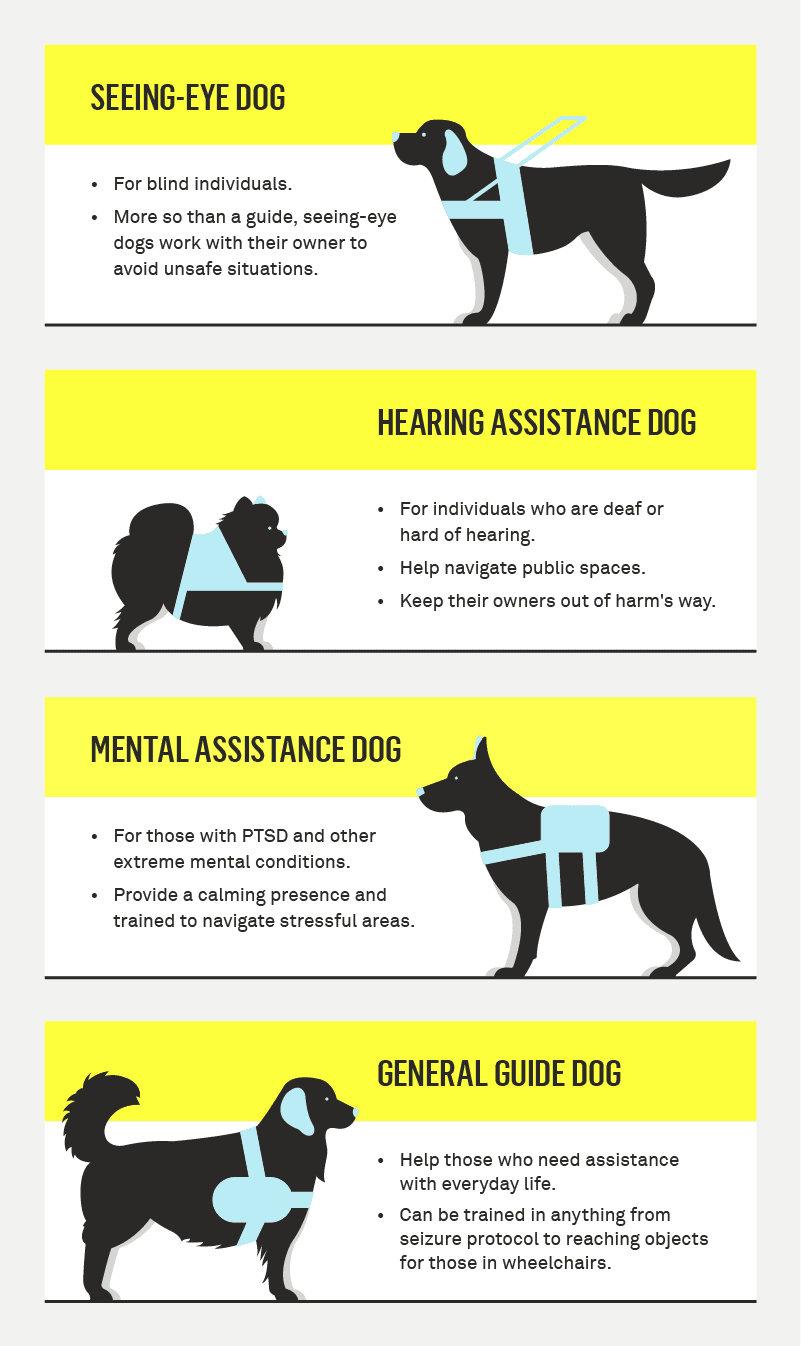
Before diving into training, it’s important to grasp what makes an ESA dog unique. An ESA provides therapeutic benefits through their mere presence and companionship. They are not trained to perform specific tasks like a service dog (e.g., guiding the blind, alerting to seizures). Instead, their training focuses on ensuring they are a calm, well-mannered, and non-disruptive companion. This means your ESA should be comfortable in various environments, not exhibit destructive behaviors, and respond reliably to basic commands. The goal is to create a dog that enhances your well-being without causing undue stress to yourself or others.
Essential Foundations: Basic Obedience
The cornerstone of any well-behaved dog, including an ESA, is a solid foundation in basic obedience. These commands not only establish your leadership but also provide a framework for consistent behavior.
Sit
This is often the first command taught and is fundamental for impulse control.
- Luring: Hold a treat near your dog’s nose.
- Guiding: Move the treat upwards and slightly back over their head. As their nose follows the treat, their rear end should naturally lower into a sit.
- Marking: The moment their rear touches the ground, say “Sit” and give them the treat.
- Repetition: Practice this in short, frequent sessions.
Stay
“Stay” teaches patience and impulse control, vital for an ESA in public spaces or when you need a moment of calm.
- Start Simple: Ask your dog to “Sit.”
- Give the Command: Hold your hand up, palm facing your dog, and say “Stay.”
- Short Durations: Take just one step back. If they remain seated, return, reward them, and say “Okay” to release them.
- Gradual Increase: Slowly increase the distance and duration. If they move, don’t scold; simply reset and try again with a shorter duration.
Come
A reliable “come” command is paramount for safety and establishing trust.
- Positive Association: Start in a quiet area. Get excited and call your dog’s name followed by “Come!”
- Reward Generously: When they reach you, offer praise, petting, and a high-value treat.
- Make it Fun: Never call your dog to you for something unpleasant (like a bath or nail trim).
- Practice: Practice in different locations, gradually increasing distractions.
Down
Similar to “sit,” “down” is a calming command that can help settle an anxious dog.
- From a Sit: Ask your dog to “Sit.”
- Lure Downward: Hold a treat and lower it straight down between their front paws, then slowly drag it away from them.
- Mark and Reward: As they follow the treat into a down position, say “Down” and reward.
House Training and Crate Training
A well-house-trained ESA is essential for a harmonious living situation. Crate training can be an invaluable tool in this process, providing a safe den for your dog and aiding in potty training.
Potty Training
Consistency and positive reinforcement are key.
- Frequent Outings: Take your dog out first thing in the morning, after meals, after naps, and before bedtime.
- Designated Spot: Choose a specific area in your yard for potty breaks.
- Praise and Reward: When your dog eliminates in the designated spot, offer immediate praise and a small treat.
- Accidents Happen: If an accident occurs indoors, clean it up thoroughly without punishing your dog. Punishment can create fear and anxiety, hindering the training process.
Crate Training
A crate should be a positive space, not a punishment.
- Introduction: Leave the crate door open with comfortable bedding inside. Encourage your dog to explore it on their own.
- Positive Association: Toss treats or toys into the crate. Feed your dog meals inside the crate.
- Gradual Confinement: Start with short periods of time with the door closed, gradually increasing the duration as your dog becomes comfortable.
- Never Use as Punishment: The crate should always be a safe haven.
Socialization: A Crucial Step
Proper socialization is vital for an ESA to be comfortable and confident in various environments. This involves exposing your dog to different sights, sounds, people, and other animals in a positive and controlled manner.
Early Socialization (Puppies)
The critical socialization window for puppies is between 3 and 16 weeks old.
- Safe Introductions: Introduce your puppy to a variety of people (different ages, appearances), well-behaved and vaccinated dogs, and new environments.
- Positive Experiences: Ensure these encounters are positive and not overwhelming. Keep initial interactions short and rewarding.
- Exposure to Stimuli: Gradually expose them to different sounds (traffic, vacuum cleaners, doorbells) and surfaces.
Ongoing Socialization (All Ages)
Socialization doesn’t stop when your dog is an adult.
- New Environments: Continue to take your dog to new, calm places like pet-friendly stores or parks.
- Controlled Interactions: Arrange playdates with calm, known dogs.
- Observe Body Language: Pay close attention to your dog’s body language. If they show signs of stress or fear, remove them from the situation and try again later with less intensity.
Advanced Training for ESAs
Beyond basic obedience, some additional training can enhance your ESA’s ability to provide support.
Calmness in Public
An ESA may accompany you to places where pets are allowed. Training for calmness is essential.
- Practice Outings: Start with short trips to quiet, pet-friendly locations.
- Reward Calm Behavior: Reward your dog for lying down calmly, not soliciting attention from strangers, and remaining relaxed.
- Desensitization: If your dog is reactive to certain stimuli (e.g., loud noises, crowds), work on desensitizing them gradually with positive reinforcement. You can explore resources on esa trained dogs for adoption to see how professionals approach this.
Impulse Control Exercises
These exercises help your dog manage their desires and focus on you.
- “Leave It”: Teach your dog to ignore tempting items. Start with a low-value treat in your hand, close it, and reward them for disengaging. Gradually progress to higher-value items and dropping them on the floor.
- Wait for Food: Have your dog sit and wait before you place their food bowl down.
Building Trust and Bond
The human-animal bond is the foundation of an ESA’s effectiveness.
- Quality Time: Spend dedicated time playing, grooming, and simply being with your dog.
- Consistent Routine: Dogs thrive on routine. Consistent feeding, walking, and training schedules build security.
- Positive Reinforcement: Always use positive reinforcement methods. This builds trust and makes training a rewarding experience for both of you.
Addressing Common ESA Dog Challenges
Even well-trained dogs can sometimes exhibit challenging behaviors.
Barking
Excessive barking can be disruptive. Identify the trigger: is it boredom, anxiety, or territoriality?
- Manage Triggers: If possible, manage the environment to reduce triggers.
- Teach “Quiet”: When your dog barks, wait for a brief pause, then say “Quiet” and reward them.
- Provide Stimulation: Ensure your dog gets enough physical and mental exercise.
Destructive Chewing
Chewing is a natural dog behavior, but it becomes problematic when directed at inappropriate items.
- Provide Appropriate Chew Toys: Offer a variety of durable chew toys.
- Supervision: Supervise your dog closely, especially when they are young or when you are not home.
- Redirect: If you catch your dog chewing something inappropriate, interrupt them calmly and redirect them to an appropriate chew toy.
Resources for Further Assistance
If you encounter significant behavioral challenges or want to refine your training, consider seeking professional help.
- Professional Trainers: Look for trainers experienced in positive reinforcement methods. Some may specialize in esa dog training near me.
- Veterinarians: Your veterinarian can rule out any underlying medical issues contributing to behavioral problems and may offer referrals.
- Online Resources: Websites dedicated to dog training offer a wealth of information. Learning how do you teach a dog to come to you is a fundamental skill that can be learned through various online guides. Understanding the principles behind expert training, much like how one might learn how to get cesar millan to train your dog, can provide valuable insights.
Training an ESA dog is a journey that requires patience, consistency, and a deep understanding of your dog’s needs. By focusing on positive reinforcement, basic obedience, socialization, and building a strong bond, you can cultivate an ESA that provides exceptional emotional support and becomes a cherished member of your family. Remember, the ultimate goal is a happy, well-adjusted dog that enhances your life and well-being.
