
Training a dog is a journey of communication, patience, and understanding. Among the many tools available to dog owners, the electronic collar, often called a shock collar, is one of the most debated. When used correctly, it can be a powerful communication device to enhance off-leash reliability and address specific behavioral issues. The key to success is understanding how to train a dog with a shock collar not as a tool of punishment, but as a way to provide clear, consistent feedback. This guide will walk you through the process, focusing on safety, fairness, and strengthening the bond you share with your canine companion. The world of dog collars shock training can be complex, but with the right approach, it can be an effective method.
What Exactly is a Shock Collar?
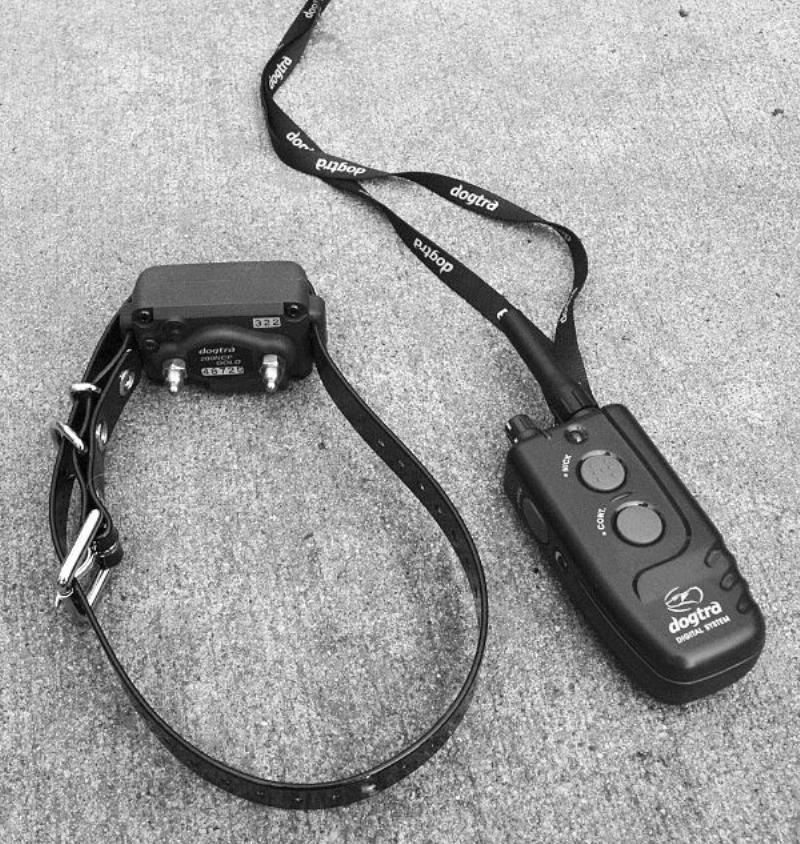
Before diving into the “how,” it’s crucial to understand the “what.” A modern electronic training collar, or e-collar, is a device consisting of a wireless remote held by the trainer and a receiver worn on the dog’s neck. It’s designed to get a dog’s attention, not to inflict pain. High-quality e-collars offer a range of stimulation types and levels:
- Audible Tone: A beep, similar to the sound from a home appliance.
- Vibration: A buzzing sensation, like a silent phone notification.
- Static Stimulation: A tingling sensation, often compared to a TENS unit used in physical therapy. The levels are highly adjustable, allowing you to find a setting that is just enough to get your dog’s attention without causing distress.
The goal is to use the lowest possible level of stimulation to create a communication link, especially when the dog is too far away to hear your voice command or is intensely focused on a distraction.
Before You Begin: The Groundwork
Success with an e-collar is built on a foundation of trust and positive reinforcement. It should never be the first tool you reach for, but rather one you introduce after your dog has a solid understanding of basic commands like “Sit,” “Stay,” and “Come” in a low-distraction environment.
Is an E-Collar Right for Your Dog?
This tool is not a one-size-fits-all solution. It is generally not recommended for puppies under six months of age or for dogs with a history of anxiety, fear, or aggression. Anxious dogs may associate the stimulation with their fear, making the problem worse. For confident, independent, or easily distracted dogs, an e-collar can be an excellent way to provide clear, off-leash guidance.
Choosing the Right Device
Investing in a quality e-collar is non-negotiable. Look for models from reputable brands that offer a wide range of adjustable stimulation levels (at least 100), as this allows for fine-tuning. Cheaper models often have large jumps between levels, which can be unfair and painful for the dog. When looking for the best shock collars for dog training, prioritize features like a waterproof receiver, a rechargeable battery, and clear controls.
The Critical Acclimation Period
You cannot simply put the collar on and start training. Your dog needs to get used to wearing it without any stimulation. This is a crucial step to prevent the dog from becoming “collar-wise,” meaning they only behave when the device is on.
- Fit the Collar: Ensure the receiver is snug on the side of the dog’s neck, not on the windpipe. You should be able to fit two fingers between the strap and your dog’s skin. The contact points must touch the skin, not just the fur.
- Make it Positive: For at least one to two weeks, put the e-collar on your dog every day for a few hours. During this time, do fun things—play fetch, go for walks, give treats. The collar becomes just another piece of gear, like their regular collar or harness.
- No Stimulation: Do not use the remote for any reason during this period. The goal is to build a neutral or positive association with wearing the collar.
 An owner carefully adjusting the fit of an electronic training collar on a calm Labrador, demonstrating how to train a dog with a shock collar properly.
How to Train a Dog with a Shock Collar: The Method
With the groundwork laid, you can begin the actual training process. The principle is simple: you use the stimulation to apply gentle “pressure” and release that pressure the moment the dog complies. This teaches the dog that their actions can turn the sensation off.
Step 1: Find the “Working Level”
This is the most important step. The working level is the lowest level of stimulation your dog can barely perceive. You are not looking for a yelp or a jump; you’re looking for a subtle sign of awareness, like an ear twitch, a slight turn of the head, or a change in expression.
- Start at level 0 and go up one level at a time.
- Tap the stimulation button briefly.
- Watch your dog closely for any reaction.
- The moment you see a small, involuntary reaction, you have found the working level for that specific environment. Note that this level can change depending on distractions.
Step 2: Layering the E-Collar with Known Commands
Start with a command your dog knows well, like “Sit” or “Place.” The sequence is “stim, command, reward.”
- Press and Hold: Press and hold the continuous stimulation button at the working level.
- Give the Command: A second later, say your command (“Sit”) in a clear, calm voice.
- Guide if Needed: Gently guide your dog into the sit position if they don’t respond immediately.
- Release and Praise: The instant your dog’s rear hits the floor, release the stimulation button and immediately offer enthusiastic praise, a treat, or a toy.
The dog learns: “The tingling sensation stops as soon as I sit.” This is not punishment; it is clear communication. After a few repetitions, your dog will begin to anticipate the command to turn off the pressure, responding faster and more reliably. You can train dog shock collar responses for many different commands using this same technique.
Step 3: Teaching Reliable Recall
Recall (“Come”) is one of the most common and important uses for an e-collar.
- Use a Long Leash: Start in a safe, open area with a long leash (20-30 feet).
- Apply Stimulation: Let the dog wander. Press and hold the continuous stimulation button at their working level.
- Give the Command: Say “Come” in an upbeat tone and use the long leash to apply gentle guidance toward you.
- Release and Reward: The moment the dog starts moving toward you, release the stimulation button. When they reach you, throw a party! Give lots of praise, treats, and affection.
This process teaches the dog that coming to you is how they control the collar’s sensation, making it a highly rewarding choice.
Essential Rules and Ethical Considerations
Using a dog training collar shock system comes with great responsibility. Your timing and emotional state are paramount.
According to Dr. Ethan Clarke, a Certified Applied Animal Behaviorist, “The most common mistake owners make is using the e-collar emotionally, out of frustration. It must be used as a pre-planned, dispassionate teaching tool. Poor timing can confuse the dog and damage the trust you’ve built.”
Do’s and Don’ts
- DO keep training sessions short and positive (5-10 minutes).
- DO always pair corrections with positive reinforcement (praise, treats).
- DO start in a low-distraction environment and gradually increase the difficulty.
- DON’T use the collar to punish fear, anxiety, or aggression.
- DON’T use the boost or high-level buttons unless it’s a true emergency (e.g., your dog is running toward a busy road).
- DON’T leave the collar on for more than 8-10 hours a day, and check the neck for irritation regularly.
Frequently Asked Questions (FAQ)
What is the right age to start shock collar training?
It’s generally recommended to wait until a dog is at least 6 months old and has a solid foundation in basic obedience. The dog should be emotionally mature enough to handle the training without developing fear or anxiety.
Can a shock collar make a dog aggressive?
When used improperly—at too high a level, with poor timing, or for punishing fear—an e-collar can absolutely create negative associations and lead to aggression. This is why following a safe, humane method focused on communication is vital.
How long should a dog wear a shock collar?
During the training phase, the dog should wear it during all supervised periods. However, it should not be left on for more than 8-10 hours at a time to prevent skin irritation from the contact points. Always remove it overnight.
Do shock collars hurt the dog?
When used at the proper “working level,” the sensation should not be painful. It’s designed to be an annoying or surprising stimulus that the dog learns to “turn off” by complying with a command. High-level corrections can be painful, which is why they are reserved for life-threatening emergencies only.
What are the alternatives to shock collars?
Positive reinforcement training using clickers, treats, and toys is a highly effective alternative. Other tools include head halters and front-clip harnesses for managing pulling, and long lines for practicing recall safely. The best method depends on the individual dog and the specific training goals.
Conclusion: A Tool for Communication
Ultimately, learning how to train a dog with a shock collar is about mastering a new way to communicate. It’s not a shortcut to a well-behaved dog, nor is it a remote control for your pet. It is a precision instrument that, when used with knowledge, patience, and a commitment to fairness, can bridge the communication gap between you and your dog, especially at a distance. By focusing on low-level stimulation and pairing it with abundant positive reinforcement, you can foster a deeper understanding and build a more reliable, trusting partnership for years to come.
