
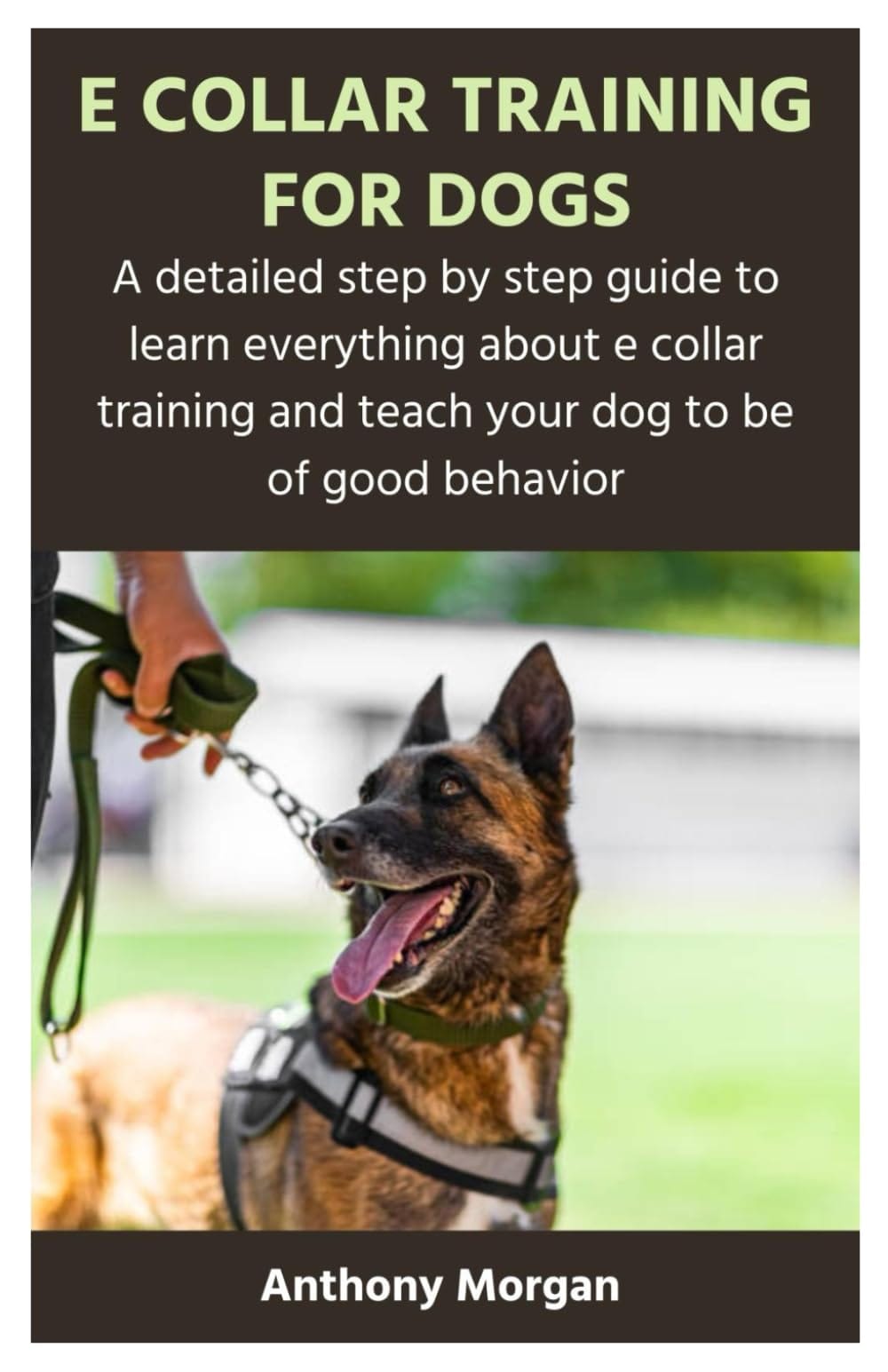
Training your dog is a rewarding experience that strengthens your bond and ensures their safety and good behavior. While many training methods exist, electronic collars, often referred to as e-collars, can be an effective tool when used correctly and responsibly. This guide will walk you through the process of how to train a dog with an e-collar, focusing on positive reinforcement and ethical application to achieve the best results for your canine companion. Understanding the nuances of e-collar training is crucial for its success and for maintaining your dog’s well-being.
Understanding E-Collars and Their Role in Dog Training
An e-collar is a training device that delivers a mild electrical stimulation to a dog’s neck. These collars are designed to be a communication tool, not a punishment device. The sensation, often described as a tap or buzz, is intended to get the dog’s attention and redirect their behavior. It’s essential to understand that the effectiveness of an e-collar lies in its ability to provide a clear, consistent signal that helps the dog understand what is expected of them. When used as part of a comprehensive dog training collar with vibration strategy, it can be particularly useful for addressing specific behavioral issues or reinforcing commands at a distance.
How E-Collars Work
E-collars typically consist of a remote transmitter held by the handler and a receiver collar worn by the dog. The transmitter allows the handler to send a signal to the receiver, which then delivers the stimulation. Modern e-collars offer various levels of stimulation, from a gentle vibration to a stronger impulse, allowing for customization based on the dog’s sensitivity and the training situation. This adjustability is key to using the tool humanely and effectively.
When to Consider an E-Collar
E-collars are often best suited for advanced training or for addressing persistent behavioral issues that haven’t responded to other methods. This can include:
- Off-leash reliability: Ensuring your dog comes when called, even with distractions.
- Boundary training: Teaching your dog to stay within a designated area.
- Addressing nuisance behaviors: Such as excessive barking or chasing.
It’s important to note that an e-collar is not a quick fix and should not be used on dogs that are ill, injured, or have fear-based aggression. Consulting with a professional dog trainer experienced in e-collar use is highly recommended before you begin. They can help you determine if an e-collar is appropriate for your dog and guide you through the initial stages of training.
Preparing for E-Collar Training
Before you even attach the e-collar to your dog, thorough preparation is key. This phase ensures you’re setting yourself and your dog up for success and using the tool ethically.
Choosing the Right E-Collar
Not all e-collars are created equal. When selecting a collar, consider:
- Size and Breed: Ensure the collar is appropriate for your dog’s neck size and breed.
- Features: Look for adjustable levels of stimulation, vibration options, and a reliable range. Some collars also offer GPS tracking, which can be a valuable feature for safety and for advanced dog tracking and training collar applications.
- Reputable Brands: Opt for well-established brands known for quality and safety.
Gradual Introduction to the Collar
Your dog should never have the e-collar associated with punishment or fear. Introduce the collar gradually and positively:
- Familiarization: Let your dog wear the collar for short periods during non-training activities, like playtime or walks, without turning it on. Associate the collar with positive experiences like treats and praise.
- Sizing and Fit: Ensure the collar fits snugly but comfortably. The contact points should touch the dog’s skin. An ill-fitting collar can be uncomfortable or ineffective.
- Identify the “Tap” Level: This is perhaps the most crucial step. You need to find the lowest level of stimulation that your dog notices – a “tap” that causes a slight reaction, like a head twitch, ear flick, or a brief pause in activity, but does not cause distress or yelping. This is often referred to as the dog’s “working level.” Do not proceed with training until you have identified this level.
Understanding Positive Reinforcement
E-collar training should always be layered on top of established positive reinforcement methods. Commands should already be understood by your dog through traditional positive training (e.g., using treats, praise, and clicker training). The e-collar is then used to reinforce these commands, especially at a distance or when distractions are present. Think of it as adding a clear, undeniable signal to a cue they already know.
The Step-by-Step E-Collar Training Process
Once you and your dog are comfortable with the collar, you can begin the actual training process. Remember, consistency and patience are paramount.
Step 1: Reinforcing Known Commands
Start with commands your dog already reliably performs, such as “sit,” “stay,” or “come.”
- Give the Command: Say the command clearly, just as you normally would.
- Apply Mild Stimulation: If your dog doesn’t respond immediately, apply a very mild stimulation (at their identified “tap” level) using the remote.
- Praise and Reward: The instant your dog complies with the command (e.g., sits), release the stimulation and offer enthusiastic praise and a high-value treat. This positive reinforcement is critical. The e-collar’s stimulation should only be present while the dog is performing the action or to get their attention before they perform it.
- Fade the Stimulation: As your dog becomes more consistent, gradually reduce the duration and intensity of the stimulation. Eventually, you’ll be able to use just a verbal cue, or a very brief tap of the stimulation, to get the desired response.
Step 2: Introducing New Commands (with Caution)
Introducing entirely new commands with an e-collar requires extra care. It’s generally advised to have a solid understanding of known commands before moving to new ones.
- Lure or Shape the Behavior: Use traditional methods (luring with a treat, capturing the behavior) to guide your dog into the desired action.
- Apply Stimulation as a Cue: As the dog begins to understand the physical cue or lure, you can start introducing a very brief tap of stimulation at the exact moment they are performing the behavior, paired immediately with praise and reward. The goal is for the dog to associate the new command with the stimulation and the resulting desired action.
- Fade Lures and Increase Verbal Cue: Once the dog starts performing the action with the stimulation cue, begin to fade the physical lure and rely more on the verbal command.
Step 3: Training with Distance and Distractions
This is where e-collars truly shine.
- Increase Distance Gradually: Start by increasing the distance between you and your dog slightly while they are performing a known command. Use the e-collar to reinforce the command if needed.
- Introduce Mild Distractions: Once your dog is reliable at a moderate distance, introduce mild distractions (e.g., another person walking by, a quiet park). Practice commands, using the e-collar to maintain focus and compliance.
- Progress to Higher Distractions: As your dog succeeds, gradually increase the level of distraction. Always ensure you are setting your dog up for success, not failure. If they fail, the distraction was likely too high, or you moved too quickly. Go back a step.
Step 4: Boundary Training (Example Use Case)
For teaching a dog to stay within a yard, an e-collar can be used effectively.
- Establish Verbal Boundary Cues: Teach your dog a cue like “back” or “in” while they are on a leash and near the boundary. Reward them for staying in.
- Introduce the Collar: With the dog on a long lead, allow them to approach the boundary. If they show interest in crossing, give the verbal cue.
- Apply Stimulation: If the dog ignores the verbal cue and continues towards the boundary, apply a mild stimulation. The instant they back away or stop, release the stimulation and praise lavishly.
- Repeat and Fade: Consistently repeat this process. As the dog learns to respect the boundary with the verbal cue, you can fade the stimulation. The collar remains as a safety net for unexpected impulses. This approach makes dog collars training walking more manageable, especially in open spaces.
Common Pitfalls and How to Avoid Them
Even with the best intentions, mistakes can happen. Being aware of common pitfalls can help you navigate the training process more smoothly.
Over-reliance on Stimulation
The most significant mistake is using the e-collar as a substitute for consistent training and positive reinforcement. The stimulation should be a communication aid, not the sole method of teaching. Always pair it with praise, rewards, and clear communication. Avoid the temptation to use higher levels of stimulation instead of addressing the root cause of a behavior or reinforcing the desired behavior more effectively.
Incorrectly Identified “Tap” Level
If the stimulation is too low, the dog won’t notice it and won’t learn. If it’s too high, it can cause fear, anxiety, and potentially aggression. Always take the time to accurately find your dog’s individual working level in a calm environment.
Using the Collar for Punishment
Never use the e-collar to punish your dog for something they did in the past or for behaviors you don’t like without a clear command or cue. The stimulation should be directly linked to an immediate action or inaction. Using it punitively can damage your dog’s trust and create behavioral problems.
Inconsistent Application
Variability in how and when you use the collar will confuse your dog. Be consistent with your commands, your timing, and the levels of stimulation used for specific situations. If multiple people are involved in training, ensure everyone is on the same page and follows the same protocols.
Lack of Professional Guidance
While this guide provides a comprehensive overview, every dog is an individual. Complex behavioral issues or uncertainty about e-collar use warrant the guidance of a certified professional dog trainer. They can assess your dog’s temperament, tailor the training plan, and ensure the tool is used ethically and effectively. For those looking into advanced tools, exploring dog training collars reviews can offer insights into different models, but professional advice remains invaluable.
E-Collar Training vs. Other Collar Types
It’s worth comparing e-collars to other training collar options. While collars like a barking dog training collar might target a specific issue, an e-collar, when used for broader training, requires a different approach. A standard flat collar or even a dog collars training walking setup focuses on leash manners or basic obedience. An e-collar, however, offers a remote communication channel that can be invaluable for recall or boundary work at a distance. The key difference lies in the type of communication. Traditional collars are passive or provide physical guidance, whereas e-collars offer an active, remote signal.
For advanced training, some handlers consider a dog training collar with vibration as a less intense alternative to electrical stimulation. Vibration can be a good intermediate step or a primary communication tool for some dogs. Ultimately, the choice depends on the dog, the handler’s skill, and the specific training goals.
Conclusion: Responsible E-Collar Use for a Better Bond
How to train a dog with an e-collar is a question that requires a thorough understanding of the tool, the dog, and the training principles. When used ethically, consistently, and as part of a positive reinforcement framework, an e-collar can be a powerful aid in shaping your dog’s behavior, enhancing their safety, and deepening your connection. Remember that the goal is always clear communication and a well-behaved companion, not simply obedience through discomfort. Always prioritize your dog’s well-being, seek professional guidance when needed, and celebrate the journey of training your beloved canine friend.
