
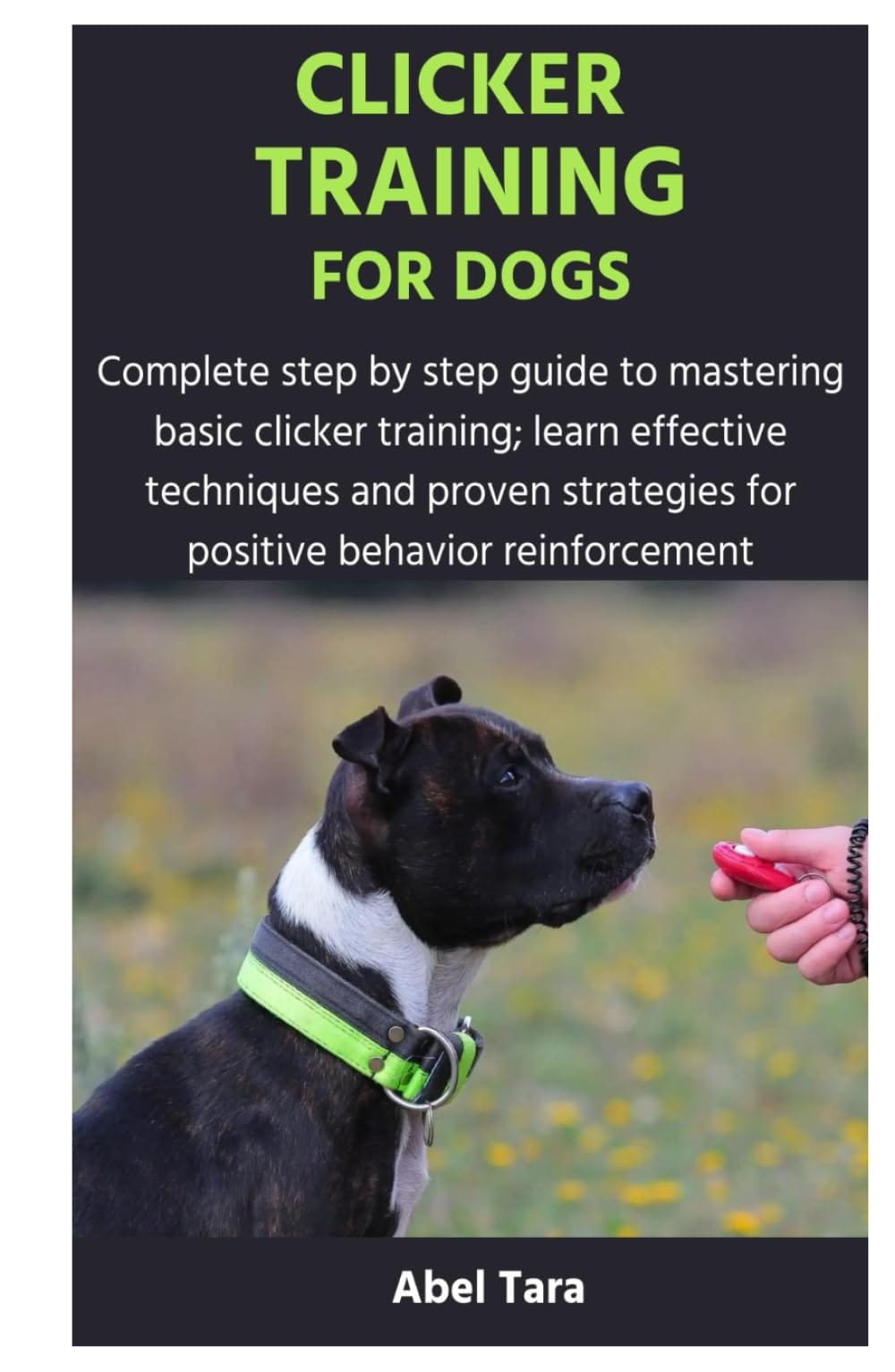
Welcome to the world of positive reinforcement training, where a simple click can unlock your dog’s potential! If you’re looking for an effective and humane way to teach your canine companion new behaviors, you’ve come to the right place. This guide will dive deep into How To Train A Dog With A Clicker, transforming your training sessions into enjoyable bonding experiences. We’ll explore the science behind clicker training, its benefits, and practical steps to get you and your dog started on the right paw. Get ready to build a stronger relationship with your furry friend, one click at a time.
The Power of the Click: Understanding Clicker Training
Clicker training is a method of operant conditioning that uses a distinct sound – the click – to mark the exact moment a dog performs a desired behavior. This click acts as a bridge, communicating to your dog precisely what action earned them a reward. It’s a clear, consistent language that dogs understand exceptionally well. Unlike verbal praise, which can be delivered too early or too late, the click is immediate and unambiguous.
The effectiveness of clicker training stems from its ability to pinpoint the desired action. When your dog performs the behavior you’re looking for, you click. Immediately after the click, you offer a high-value reward, such as a tasty treat, a favorite toy, or enthusiastic praise. Over time, your dog learns to associate the click with a reward, making the click itself a predictor of good things. This association is crucial for understanding how to train a dog with a clicker effectively.
Why Choose Clicker Training?
The benefits of clicker training extend far beyond basic obedience. It fosters clear communication, builds trust, and makes training a fun, engaging activity for both dog and owner.
- Clarity and Precision: The clicker marks the exact moment the dog does something right, eliminating confusion about which action earned the reward.
- Positive Reinforcement: It focuses on rewarding desired behaviors, making the training process enjoyable and encouraging for your dog. This positive approach builds confidence and a willingness to learn.
- Reduced Frustration: For both the trainer and the dog, clicker training can reduce frustration. The clear signal helps dogs understand what’s expected of them, and trainers can more precisely reward the right actions.
- Versatility: Clicker training can be used to teach a vast array of behaviors, from simple cues like “sit” and “stay” to complex tricks and even modifying problem behaviors. It’s a foundational skill for advanced training.
- Stronger Bond: The shared experience of training, filled with positive interactions and clear communication, strengthens the bond between you and your dog.
Getting Started: Your Clicker Training Toolkit
Before you begin, ensure you have the essential items to make your training sessions successful.
Essential Equipment
- A Clicker: Choose a clicker that feels comfortable in your hand and produces a clear, distinct sound. There are various types available, including classic box clickers, button-release clickers, and even wrist-strap clickers. Experiment to find what works best for you.
- High-Value Treats: These are small, soft, and extra-tasty treats that your dog absolutely loves. Think small pieces of cooked chicken, cheese, hot dogs, or specialized training treats. The reward needs to be motivating enough for your dog to work for it.
- A Quiet Training Space: Start in a low-distraction environment, such as a quiet room in your house. As your dog progresses, you can gradually introduce more challenging environments with mild distractions.
The Foundation: Charging the Clicker
The most critical first step in how to train a dog with a clicker is “charging” the clicker. This means teaching your dog that the click sound predicts a reward. Without this association, the clicker is just a noise.
Steps to Charge the Clicker:
- Get Your Dog’s Attention: Have your dog with you in a quiet space.
- Click and Treat: Hold the clicker in one hand and treats in the other. Click the clicker, and immediately give your dog a treat. The timing is crucial: click, then treat.
- Repeat: Do this 10-15 times in a short session. Don’t ask your dog to do anything; just click and treat.
- Observe: Your dog will quickly learn that the click means a treat is coming. You might see their ears perk up, or they might look at your treat hand expectantly.
- Short Sessions: Keep these initial charging sessions brief (1-2 minutes) and positive. You can do several short sessions throughout the day.
Once your dog consistently looks to you for a treat after hearing the click, the clicker is “charged.” This is the cornerstone of how to train a dog with a clicker.
Teaching Basic Cues: Applying the Clicker
With a charged clicker, you’re ready to start teaching basic obedience commands. The principle remains the same: click the exact moment the dog performs the desired behavior, then reward.
1. Teaching “Sit”
This is often the first command people teach.
- Lure the Behavior: Hold a treat near your dog’s nose. Move the treat slowly upwards and slightly back over their head. As their nose follows the treat, their rear end will naturally lower into a sit.
- Click at the Right Moment: The instant your dog’s rear touches the ground, click the clicker.
- Reward: Immediately give them the treat.
- Repeat: Practice this several times.
- Fade the Lure: Once your dog reliably sits when you move your hand, start making the hand motion smaller, eventually fading it into a subtle hand signal. You can still use the clicker to mark the sit and then reward.
- Add the Verbal Cue: Once the dog is reliably sitting with the hand signal, start saying “Sit” just as you begin the lure or signal. Eventually, your dog will associate the word with the action.
This process illustrates how to train a dog with a clicker for foundational commands.
2. Teaching “Down”
From a sit position, you can teach “down.”
- Lure: With your dog in a sit, hold a treat near their nose and move it slowly down towards the floor and then slightly away from them between their front paws.
- Click: The moment their elbows touch the floor, click.
- Reward: Give them the treat.
- Repeat: Practice this movement.
- Fade Lure & Add Cue: Gradually fade the lure and introduce the verbal cue “Down” as you make the motion.
3. Teaching “Stay”
This command requires patience and gradual increases in duration and distance.
- Start Simple: Ask your dog to “Sit” or “Down.”
- Introduce “Stay”: Hold up your hand with your palm facing your dog (a common hand signal for stay) and say “Stay.”
- Short Duration: Wait just one second, then click and reward if they remained in position.
- Gradual Increase: Slowly increase the duration you ask them to stay, clicking and rewarding for success. If they break the stay, don’t scold; simply reset them and try again with a shorter duration.
- Add Distance: Once they can stay for a reasonable time (e.g., 10-15 seconds), start taking one small step back. If they stay, return, click, and reward. Gradually increase the distance.
4. Teaching Recall (“Come”)
A reliable recall is perhaps the most critical command for safety.
- Positive Association: Start in a quiet area with your dog on a leash or in a safe, enclosed space.
- Use an Enthusiastic Tone: Say your dog’s name followed by “Come!” in a happy, excited voice.
- Click and Reward: The moment your dog turns towards you or takes a step in your direction, click and immediately reward them enthusiastically. If they are very far away, you might click as they start running towards you.
- Make it a Game: Call your dog from short distances, making it a fun game. Always reward them generously when they come.
- Avoid Punishment: Never punish your dog for coming to you, even if they were doing something wrong before you called them. You want them to always associate coming to you with positive outcomes.
Mastering these basic cues is fundamental to understanding how to train a dog with a clicker.
Advancing Your Training: Beyond Basic Cues
Once your dog has a solid understanding of basic commands, you can use clicker training to teach more complex behaviors, tricks, and even address behavioral issues.
1. Teaching Tricks
Want to teach your dog to shake a paw, roll over, or play dead? The clicker is an excellent tool for this. You’ll often use a combination of luring and capturing behaviors.
- Capturing: Wait for your dog to offer a behavior naturally. For example, if your dog often scratches their ear, you can capture that by clicking and rewarding the moment they do it. This is a great way to train behaviors that are difficult to lure.
- Shaping: This involves rewarding successive approximations of a desired behavior. For instance, to teach “spin,” you might first reward your dog for turning their head, then for turning their body slightly, and so on, until they are spinning in a full circle.
2. Addressing Problem Behaviors
Clicker training can be instrumental in modifying unwanted behaviors by teaching an incompatible, desired behavior.
- Example: Jumping on People: Instead of punishing jumping, you can teach your dog to “Sit” when greeting people. Click and reward every time they offer a sit instead of jumping. Over time, they’ll learn that sitting is more rewarding than jumping. This proactive approach is a key part of how to train a dog with a clicker for behavior modification.
- Example: Barking at the Doorbell: You can teach your dog to go to their mat and lie down when the doorbell rings. Click and reward them for going to their mat.
3. Proofing Behaviors
“Proofing” is the process of generalizing a trained behavior to different environments and distractions.
- Gradual Exposure: Once your dog reliably performs a cue in a quiet environment, gradually introduce distractions:
- Other people in the room.
- Other dogs at a distance.
- Noises (TV, traffic).
- Different locations (yard, park, pet store).
- Maintain Rewards: Continue to click and reward, potentially using higher-value treats in more distracting environments. This reinforces that the cue is important everywhere.
Tips for Successful Clicker Training
- Timing is Everything: The click must be precise. It marks the exact moment the dog does the right thing. Practice your timing!
- Keep Sessions Short and Fun: Aim for 5-10 minute training sessions multiple times a day, especially for puppies or dogs new to clicker training. End on a positive note.
- Use High-Value Rewards: Especially when introducing new behaviors or training in distracting environments.
- Don’t Click After a Mistake: The click is a marker for correct behavior. If your dog doesn’t perform the desired action, simply try again without clicking.
- Fade the Lure: Once the dog understands the behavior, gradually reduce and eventually eliminate the food lure.
- Generalize Behaviors: Practice in different locations and with varying distractions to ensure your dog responds reliably everywhere.
- Be Patient and Consistent: Every dog learns at their own pace. Consistency in your cues, timing, and rewards is key to success.
- Never Punish: Clicker training is built on positive reinforcement. Punishment can damage trust and create fear or anxiety.
Common Pitfalls and How to Avoid Them
- Clicking Too Late: This is the most common mistake. If you click after the dog has already stopped the behavior or is moving on to something else, they won’t understand what earned the click.
- Solution: Practice clicking a predictable, continuous action (like a sit) or have someone assist by providing treats immediately after your click.
- Clicking for Everything: The clicker should mark the desired behavior. If you click randomly or for incorrect actions, it loses its meaning.
- Solution: Be mindful and only click when your dog performs the target behavior.
- Not Rewarding After the Click: The click is a promise of a reward. If you click and don’t follow through with a treat or other reward, your dog will become discouraged.
- Solution: Always have treats ready and deliver them immediately after the click.
- Using the Clicker in Frustrating Situations: If you’re struggling to get a behavior, it’s better to stop the session and try again later when both you and your dog are calm.
- Solution: Take a break. Re-evaluate your lure or method. Ensure the environment isn’t too distracting.
Understanding these common issues is a vital part of mastering how to train a dog with a clicker.
Conclusion: Building a Happier, More Obedient Companion
Clicker training offers a powerful, positive, and effective method for building a strong partnership with your dog. By understanding how to train a dog with a clicker, you are equipping yourself with a communication tool that can lead to a well-behaved, confident, and happy canine companion. Remember that patience, consistency, and positive reinforcement are the cornerstones of successful training. Enjoy the journey of discovery with your dog, and celebrate every click and wag along the way. Happy training!
