
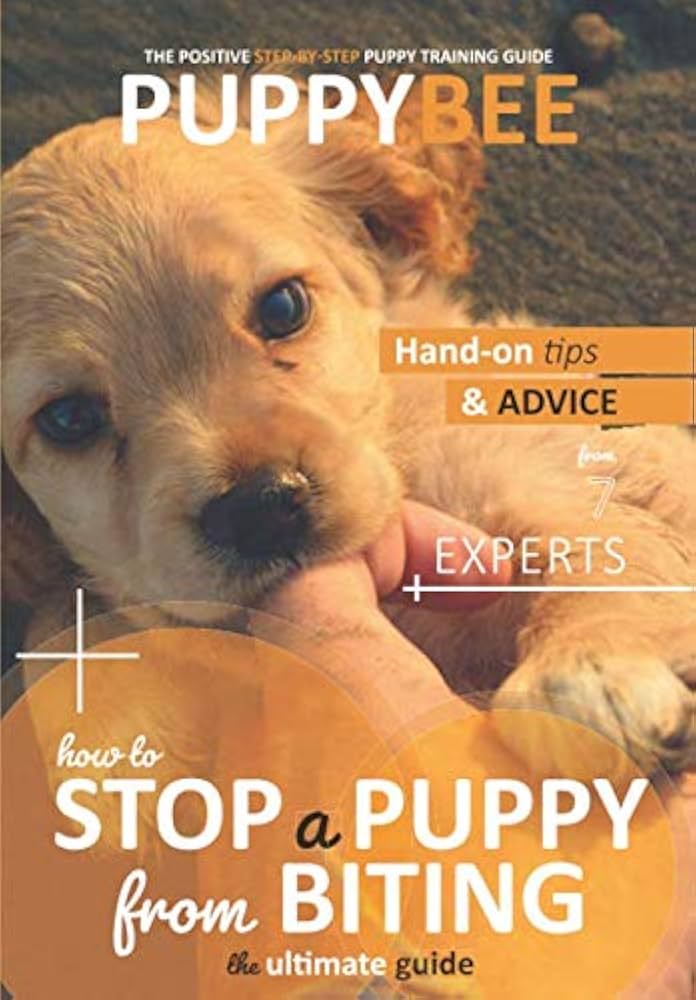
As loving pet parents, we all dream of a harmonious life with our canine companions. However, one of the most common and frustrating challenges many dog owners face is puppy biting or even adult dog biting. It’s a natural behavior, especially in puppies exploring the world with their mouths, but it can quickly escalate from playful nipping to a serious concern. This guide will delve into the core reasons behind biting and provide you with effective, humane strategies to train your dog to stop biting, fostering a safer and more enjoyable relationship.
Understanding Why Dogs Bite
Before we can effectively address biting, it’s crucial to understand the underlying reasons. Dogs bite for a variety of reasons, and identifying the cause is the first step in finding the right solution.
Puppy Play Biting
For puppies, biting is a normal part of their development. They use their mouths to explore, learn about their environment, and interact with their littermates. When a puppy plays with another puppy, they learn bite inhibition – the understanding of how much pressure is too much. If a puppy bites too hard, the other puppy yelps and stops playing, teaching a valuable lesson. This is why when you’re playing with a puppy, it’s essential to mimic this response.
Fear and Defense
Dogs may bite out of fear or when they feel threatened. If a dog perceives a person or another animal as a danger, their instinct may be to bite as a defensive mechanism. This can happen when a dog is cornered, startled, or feels their space is being invaded.
Pain or Medical Issues
Sudden aggression or biting can sometimes be a sign of underlying pain or a medical condition. If a dog is experiencing discomfort, they may lash out when touched in a sore spot. It’s always advisable to rule out any health issues with a veterinarian.
Resource Guarding
Some dogs exhibit possessive aggression, also known as resource guarding. This occurs when a dog feels protective of their valued items, such as food, toys, or even their favorite resting spot. They may growl, snap, or bite if they perceive someone as a threat to their resources.
Predatory Drive
While less common in typical household pets, some dogs, particularly certain breeds, have a strong predatory drive. This instinct can be triggered by fast-moving objects or prey-like behaviors, leading to a chase and potential bite.
Effective Training Strategies to Stop Biting
Once you’ve identified the potential cause of the biting, you can implement targeted training methods. Consistency and patience are key to success.
Teaching Bite Inhibition for Puppies
This is perhaps the most critical stage for young puppies. The goal is to teach them that biting humans too hard results in the cessation of play.
- The Yelp Method: When your puppy bites too hard during play, let out a sudden, high-pitched yelp, similar to how a littermate would react.
- Withdraw Play: Immediately after yelping, withdraw your hand or body part and stop all interaction for 10-20 seconds. This teaches the puppy that hard bites end the fun.
- Redirect to Toys: If the puppy continues to mouth or nip gently, redirect their attention to an appropriate chew toy. Always have a variety of chew toys available.
- Consistency is Crucial: Every member of the household must consistently apply this method. If one person allows hard nipping, the puppy will not learn effectively.
Addressing Fear-Based Biting
Training for fear-based biting requires building your dog’s confidence and positive associations.
- Desensitization and Counter-Conditioning: Gradually expose your dog to the triggers that cause fear, starting at a distance where they feel safe. Pair these exposures with high-value treats or praise. For instance, if your dog is fearful of men with hats, start by showing them a hat from a distance while giving treats. Slowly decrease the distance over many sessions.
- Avoid Punishment: Never punish a dog for showing fear or growling. Growling is a warning, and punishing it can suppress the warning, leading to a dog that bites without prior indication. Instead, focus on helping them feel safe.
- Create Safe Spaces: Ensure your dog has a secure den or crate where they can retreat when feeling overwhelmed.
Managing Resource Guarding
Training to stop resource guarding involves teaching your dog that you are not a threat to their possessions.
- Trading Up: When your dog has an item they might guard, offer them something even more valuable in exchange. For example, if they have a chew toy, offer a piece of cheese. This teaches them that giving up an item can lead to a better reward.
- Controlled Introductions: Practice controlled situations where you approach your dog’s food bowl or favorite toy, but instead of taking it away, you add something positive, like a handful of kibble or a special treat. This changes their perception of your approach.
- Never Rush or Startle: Approach your dog calmly and avoid sudden movements around their resources.
When to Seek Professional Help
While many biting issues can be managed with consistent training, some situations require the expertise of a professional. If your dog exhibits severe aggression, has a history of serious biting incidents, or if you are struggling to make progress, it’s essential to consult:
- A Certified Professional Dog Trainer (CPDT-KA or CPDT-KSA): They can assess your dog’s behavior and provide tailored training plans.
- A Veterinary Behaviorist (DACVB): For complex behavioral issues, especially those involving fear or anxiety, a veterinary behaviorist can offer specialized diagnosis and treatment.
Preventing Biting: Proactive Measures
Prevention is always better than cure. Here are some proactive steps to minimize the likelihood of biting:
- Early Socialization: Expose your puppy to a wide variety of people, sounds, sights, and other well-behaved dogs from a young age (after their vaccinations are complete). This helps them develop into a confident, well-adjusted adult dog.
- Provide Appropriate Chew Toys: Ensure your dog has plenty of outlets for their chewing needs. Rotate toys to keep them interesting.
- Understand Dog Body Language: Learn to recognize the subtle cues that indicate your dog is feeling uncomfortable, stressed, or anxious. This allows you to intervene before a bite occurs. Signs include lip licking, yawning, whale eye (showing the whites of their eyes), and stiffening.
- Never Force Interactions: Do not force your dog into situations they are clearly uncomfortable with, especially with strangers or children.
- Educate Children: Teach children how to interact respectfully with dogs, emphasizing gentle petting and avoiding teasing or rough play.
The Role of Positive Reinforcement
Positive reinforcement training is highly effective for addressing biting and building a strong bond with your dog. This involves rewarding desired behaviors (like gentle mouthing or choosing a toy over your hand) with treats, praise, or affection. This method not only teaches your dog what you want them to do but also strengthens their trust in you. Using positive reinforcement is particularly crucial when dealing with fear-based or defensive biting, as punishment can exacerbate these issues.
What Not to Do
It’s equally important to know what not to do when training a dog to stop biting.
- Physical Punishment: Never hit, strike, or physically punish your dog. This can damage your relationship, increase fear and anxiety, and potentially worsen aggression.
- Dominance-Based Methods: Modern, science-based training methods have moved away from outdated dominance theories. Forcing a dog into submission is not only ineffective but can also be detrimental to their well-being.
- Ignoring Warning Signs: Never ignore growls, snarls, or stiffening. These are communication signals that should be heeded.
Conclusion: Building Trust and Understanding
Training a dog to stop biting is a journey that requires dedication, understanding, and a commitment to positive methods. By learning to recognize the root causes of biting, implementing consistent training strategies, and focusing on building a trusting relationship, you can successfully navigate this common challenge. Remember, every dog is an individual, and patience is your greatest ally. With the right approach, you can help your canine companion learn to interact gently and safely, ensuring a lifetime of happy companionship.
