
The “place” command is an invaluable tool for any dog owner, offering a way to encourage calm and settled behavior in various environments. This command teaches your dog to go to a designated spot, such as a mat or elevated cot, and remain there until released. Unlike a “stay” command, “place” emphasizes a specific location and promotes a relaxed state, providing your dog with a structured “job” to do instead of engaging in undesirable behaviors like excessive barking, jumping on guests, or begging at the table.
Benefits of the “Place” Command
Teaching your dog the “place” command offers numerous advantages. It provides a clear cue for your dog to settle, which can prevent many common behavioral issues. When a dog understands “place,” they are less likely to exhibit behaviors such as:
- Barking excessively at the doorbell or when people approach.
- Rushing the door when visitors arrive.
- Jumping on guests.
- Begging for food during mealtimes.
- Getting into mischief at home, like chewing inappropriate items.
- Jumping out of a vehicle without permission.
Essentially, “place” signifies “go to this spot and stay there until I release you,” giving your dog a clear task and reinforcing good behavior.
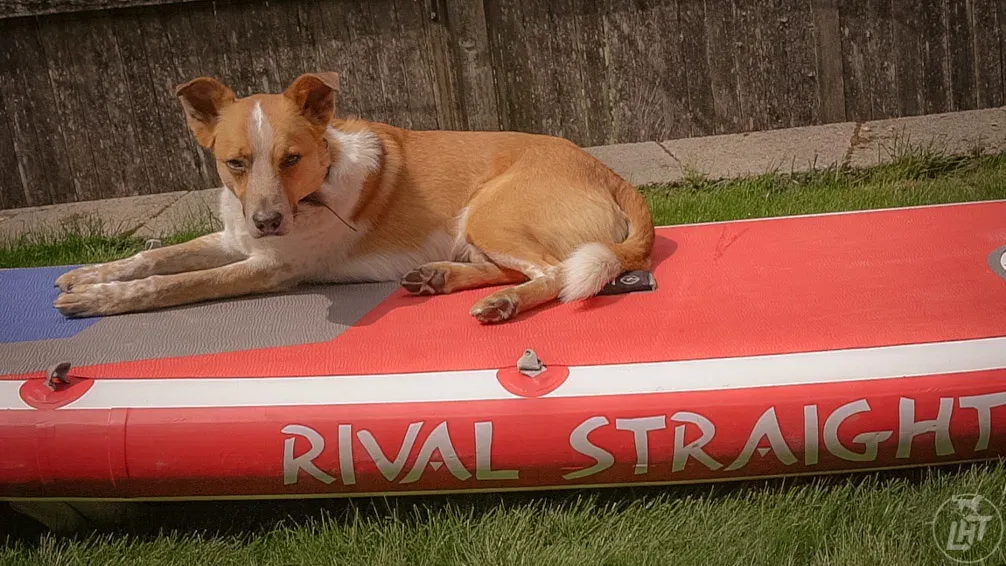 Sitka practices the place command on a paddle board.
When to Utilize the “Place” Command
The versatility of the “place” command makes it useful in a wide array of situations, both at home and during outdoor adventures.
- At Home: When your dog is not in their crate, they can be asked to “place.” This establishes structure throughout the day and reminds them that they should not simply do as they please.
- Outdoor Adventures: The command is highly transferable to outdoor settings. For instance, when encountering other hikers on a trail, you can direct your dog to “place” on a nearby rock or stump, practicing good hiking etiquette.
- Camping: Using a dog travel bed, you can ask your dog to “place” while you set up a tent, prepare a meal, or engage in other necessary tasks where you need them to remain stationary.
- Paddleboarding: The “place” command is instrumental in teaching your dog to get onto and stay still on a paddleboard, preventing them from shifting and potentially causing an imbalance.
- Photos: If you want your dog to pose for pictures, the “place” command is perfect for getting them to stay in a specific spot.
- Breweries and Restaurant Patios: This is a favorite application for many owners. By asking your dog to “place” on a mat, they can relax and enjoy the outing with you without being a distraction or reacting to the surrounding stimuli.
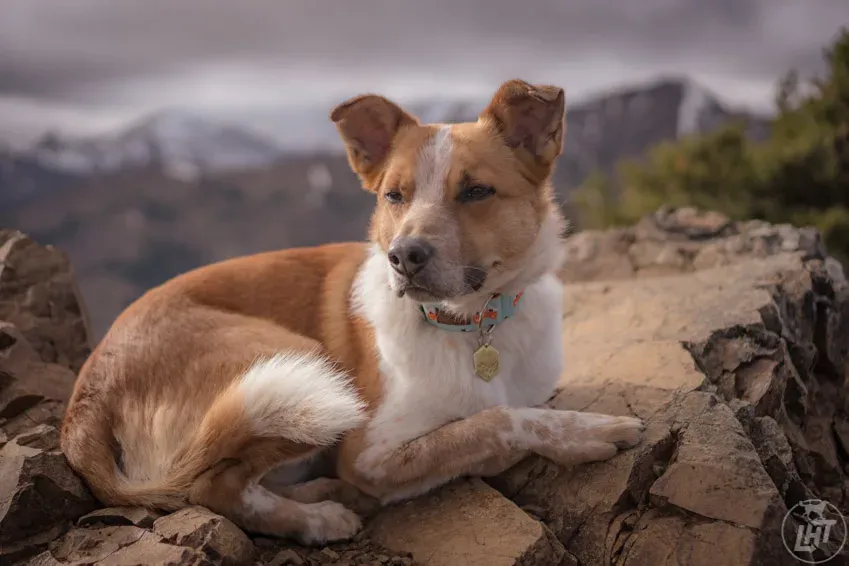 Sitka chills in place on a pile of rocks while I snap his photo.
Recommended “Place” Cots and Surfaces
A significant advantage of the “place” command is that it requires minimal specialized equipment. You’ll primarily need a designated “place” surface, such as a mat or cot, and of course, treats and a leash.
While you can start with a simple mat, many owners find elevated cots beneficial. Once the concept is understood, you can pair the command with various objects that have clear boundaries.
Top “Place” Cots for Dogs:
- Kuranda Elevated Dog Bed: This is a durable, chew-proof option that can support up to 100 lbs and is easy to clean, making it suitable for outdoor use.
- K&H Elevated Dog Bed: Another robust choice, this bed can support up to 200 lbs, is chew-proof, and easy to maintain. However, it may not be as durable as some other options.
- Acrimet Nap Cot for Kids: While potentially less chew-proof, this cot can support up to 60 lbs, is easy to clean, and is stackable, offering a unique option.
Alternative “Place” Surfaces:
Beyond specialized cots, numerous everyday items can serve as effective “place” surfaces:
- Towels
- Backpacks
- The car itself
- Logs or rocks (in outdoor settings)
- A scale (useful for vet visits)
- Door mats (to keep dirt outside)
- Blankets
- Picnic tables
- Benches or chairs
In situations where you don’t have your dog’s usual bed, these alternatives can be invaluable for practicing the “place” command.
Step-by-Step Guide to Teaching the “Place” Command
Begin training in a low-distraction environment, such as your home. As your dog becomes proficient, gradually introduce more distracting locations. Keep training sessions brief, ideally no longer than 10 minutes, to maintain your dog’s focus and enthusiasm.
1. Establish a Terminal Marker
Before introducing the word “place,” it’s crucial to teach your dog a terminal marker word. This word signifies the end of a behavior or duration and indicates that they are released from the command. If your dog doesn’t understand that they need to wait for a release cue, they won’t grasp the concept of holding their position. You can “charge” a marker word like “yes” by pairing it with high-value treats.
2. Introducing the “Place” Command
Once your dog understands the need to wait for a release cue, you can begin teaching them what “place” means.
- Leash Up: Place your dog on a 6-foot leash, ideally attached to a martingale collar or a slip lead.
- Approach the “Place”: Hold the leash close to your dog’s collar and walk them towards their designated “place” surface. Position yourself so you walk past the surface. If you stop directly at the “place,” your dog will likely stop with you. The goal is to keep moving.
- Navigate Responses: Your dog might react in a few ways:
- Stopping before the “place”: If your dog stops before reaching the surface, restart the process and continue walking past it. You may need to position yourself on the opposite side of the “place” to encourage them forward, keeping the leash short.
- Hopping to the side: Similar to stopping, keep moving and use a short leash. You can try squatting and patting the “place” surface to encourage them.
- Walking past the “place”: If your dog walks over the “place” surface without pausing, apply gentle pressure on the leash to stop them the moment all four paws are on the surface.
- Mark and Reward: As soon as all four paws are on the “place” surface, say your marker word (“yes!”), step back, and deliver a treat. At this initial stage, don’t worry about saying the word “place” itself.
- Vary Angles: Repeat this process, approaching the “place” from different angles.
- Introduce the Cue: Once your dog consistently walks onto the “place” surface, you can begin to say the command “place” as they approach it.
Tip: In the beginning, it’s less important whether your dog sits or lies down on the “place.” The primary goal is to teach them to remain on the surface until released. Lying down will likely become a natural progression.
3. Increasing Duration
After your dog understands the concept of “place,” you can start building the duration they can remain there. Begin with short intervals of a few seconds, gradually increasing to five, ten, and eventually several minutes. Use your marker word to let your dog know they are doing well. Incorporate frequent breaks, especially in the early stages, to prevent frustration or fatigue.
4. Best Locations for Practice
Once your dog is reliable with the “place” command in a quiet environment, it’s time to introduce distractions. Numerous locations are ideal for practicing:
- Local parks
- Outside of dog parks
- Bike paths
- Busy urban recreational areas (e.g., lakes)
- Hardware stores (like Home Depot or Lowe’s)
- Breweries
- Nurseries
- Skate parks
- Near schools (during or after school hours)
- Playgrounds
5. Troubleshooting Common Issues
Mistakes are a natural part of the training process for both you and your dog. If your dog breaks the “place” command, calmly say “nope” or “uh-uh,” and guide them back to the designated spot using the leash and your body position. Do not reward them for breaking the command; simply reposition them on the “place.”
Consistent practice of the “place” command will lead to your dog becoming a proficient at settling anywhere. This will allow you to enjoy social outings, manage visitors calmly, and maintain a peaceful home environment.
Have you taught your dog the place command?
How has your dog’s behavior changed as a result of teaching the place command?
 The place command is one of the most important commands to teach your dog.
