
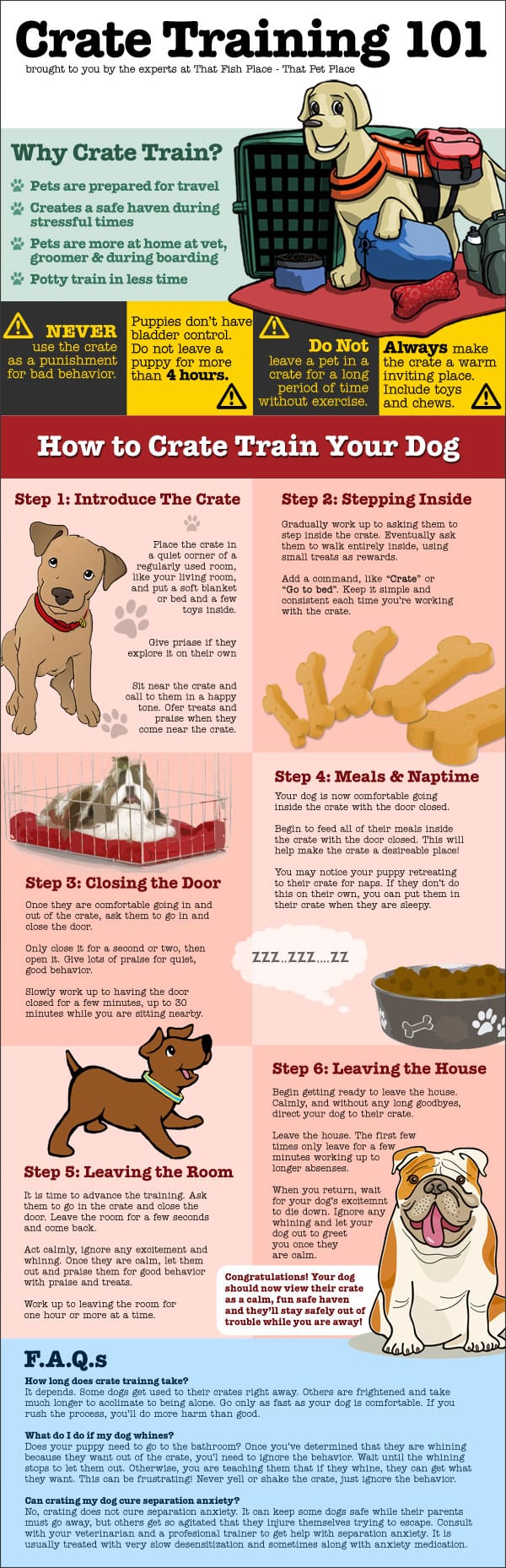
Teaching your dog to tidy up their own toys might sound like a far-fetched dream, but it’s an achievable and incredibly rewarding training goal. This skill, often referred to as “put away” or “clean up,” not only helps keep your home organized but also provides valuable mental stimulation for your canine companion. It’s a fantastic way to build on basic obedience and strengthen the bond between you and your dog. Whether you have a puppy or an older dog, consistent and positive reinforcement can help them learn this helpful habit.
Understanding the “Put Away” Command
Before diving into the training process, it’s crucial to understand what “put away” entails for a dog. Essentially, you’re teaching them to pick up a specific toy and place it into a designated container, like a toy bin or basket. This involves a sequence of behaviors: identifying the target toy, picking it up, carrying it, and dropping it into the correct location. It’s a complex task that requires breaking down into smaller, manageable steps.
Why Teach Your Dog to Put Toys Away?
There are several compelling reasons to invest the time in teaching your dog this trick:
- Organization: The most obvious benefit is a tidier living space. Fewer scattered toys mean fewer tripping hazards and a more pleasant environment for everyone.
- Mental Stimulation: Learning new commands and performing tasks exercises your dog’s brain, helping to prevent boredom and destructive behaviors. This command requires focus and problem-solving.
- Bonding: The training process itself is an excellent way to strengthen your relationship with your dog. Positive reinforcement and clear communication build trust and mutual understanding.
- Impulse Control: Teaching your dog to pick up and release toys on command helps develop their impulse control, a valuable trait for overall good behavior.
- Fun and Engaging: It’s a fun trick to teach and impressive to show off, adding an element of playfulness to your training sessions.
Prerequisites for Training
Before you start, ensure your dog has a solid understanding of a few basic concepts:
- “Take It” or “Hold”: Your dog should be able to comfortably take a toy in their mouth and hold it for a few seconds.
- “Drop It”: Your dog needs to reliably release the toy when you give the command.
- Motivation: Have high-value treats or your dog’s favorite toys ready. Positive reinforcement is key.
- A Designated Toy Bin: Choose a sturdy, accessible toy bin or basket that your dog can easily reach.
Step-by-Step Training Process
Teaching your dog to put toys away is best approached in stages. Start simple and gradually increase the complexity.
Stage 1: Mastering the “Take It” and “Drop It” with the Toy Bin
- Introduce the Toy Bin: Place the empty toy bin on the floor. Let your dog investigate it. You can toss a treat into the bin to encourage positive association.
- “Take It” Near the Bin: Hold a toy near the bin and ask your dog to “Take it.” Reward them for holding it.
- “Drop It” Into the Bin: With your dog holding the toy near the bin, encourage them to “Drop it.” If they drop it outside the bin, guide them closer or gently toss another treat into the bin to show them where it belongs. Reward generously when they drop it into the bin.
- Repeat and Reinforce: Practice this repeatedly. Start with the toy very close to the bin and gradually increase the distance.
Stage 2: Encouraging Movement Towards the Bin
- Reward Proximity: Once your dog reliably drops the toy into the bin when it’s right next to them, start rewarding them only when they drop it in. If they drop it outside, simply withhold the reward and try again, perhaps moving the bin closer.
- Adding a Verbal Cue: As they start to associate dropping the toy in the bin with a reward, begin introducing a verbal cue like “Put away” or “Tidy up” just as they are about to drop the toy.
- Increasing Distance: Gradually move the toy bin further away from where your dog is holding the toy. You might need to point to the bin initially. Reward any movement towards the bin with the toy.
Stage 3: Teaching the Pick-Up from a Distance
This is often the most challenging part. You need to teach your dog to retrieve the toy and bring it to the bin.
- Targeting the Toy: Place a toy a short distance away from the bin. Encourage your dog to pick it up.
- Guiding to the Bin: Once they have the toy, use your verbal cue (“Put away”) and point to the bin. Use enthusiastic praise and treats to guide them towards the bin. Reward them heavily for picking up the toy and bringing it close to the bin.
- Combining Pick-Up and Drop: Work on getting them to pick up the toy, bring it to the bin, and then drop it in. This might take many repetitions. You can use a target stick or a hand signal to help direct them.
- Gradually Increase Distance: As they get better, increase the distance between the toy and the bin. You can start by placing the toy just a foot away, then two feet, and so on.
Stage 4: Generalizing the Behavior
- Different Toys: Once your dog reliably puts away one specific type of toy, start introducing other toys. They need to learn that “put away” applies to all their toys.
- Different Locations: Practice in different rooms of the house. This helps them understand that the command isn’t tied to one specific spot.
- Fading Lures and Prompts: Gradually fade out the pointing, hand signals, and excessive verbal cues. Aim for your dog to respond to just the “Put away” command.
- Adding Complexity: Once they’ve mastered the basic command, you can start asking them to put away multiple toys, or to put away a specific toy when several are present.
Tips for Success
- Patience is Key: This is an advanced trick that requires time, consistency, and patience. Don’t get discouraged by setbacks.
- Keep Sessions Short and Fun: Aim for training sessions of 5-10 minutes, a few times a day. Always end on a positive note.
- Positive Reinforcement: Use praise, treats, and play as rewards. Avoid punishment, as it can create fear and hinder learning.
- Break It Down: If your dog is struggling, break the task down into even smaller steps. Reward each tiny success.
- Consistency: Ensure everyone in the household uses the same command and follows the same training steps.
- Manage the Environment: Initially, limit the number of toys available to make the task less overwhelming. As your dog improves, you can increase the number of toys.
- Professional Help: If you’re struggling, consider consulting a certified professional dog trainer. They can offer personalized guidance and troubleshoot specific issues. For instance, understanding dogs with separation anxiety training might offer insights into managing a dog’s focus and drive.
Common Challenges and Solutions
- Dog Won’t Pick Up the Toy: Ensure the toy is highly motivating. Try different types of toys. Go back to practicing “Take it.”
- Dog Picks Up Toy but Walks Away: Use a leash to gently guide them towards the bin. Reward any movement in the right direction. Consider if the bin is too far or too difficult to access.
- Dog Drops Toy Outside the Bin: Make the bin more appealing by tossing treats into it. Ensure the dog is close enough to the bin when you give the “Drop it” cue.
- Dog Chews the Toy Instead of Putting It Away: This indicates they aren’t fully understanding the task or are too excited. Go back to practicing “Hold” and “Drop it” commands, ensuring they release the toy promptly.
Teaching your dog to put their toys away is a rewarding journey that enhances their cognitive abilities and strengthens your companionship. By breaking down the process into manageable steps and employing consistent positive reinforcement, you can achieve this impressive feat and enjoy a tidier home. It’s a testament to the intelligence and trainability of our canine friends and a wonderful way to engage them in everyday activities. The effort invested in training such as how to train your dog off leash can be similarly applied here, focusing on clear communication and rewarding desired behaviors.
Frequently Asked Questions About Dog Toy Tidiness
Q1: How long does it take to teach a dog to put toys away?
A1: The timeframe varies greatly depending on the dog’s age, breed, previous training, and the consistency of your training sessions. It can take anywhere from a few weeks to several months.
Q2: Can any dog learn to put their toys away?
A2: Most dogs are capable of learning this skill, especially with patient and positive training methods. Some breeds or individual dogs may pick it up faster than others.
Q3: What if my dog tries to play with the toy instead of putting it away?
A3: This means the motivation to play is higher than the motivation to complete the task. Ensure you’re using high-value rewards and keep training sessions brief and focused. You might need to practice “Drop it” more rigorously.
Q4: Should I use a specific command word for putting toys away?
A4: Yes, consistency is crucial. Choose a clear, distinct command like “Put away,” “Tidy up,” or “Clean up,” and use it every time.
Q5: What is the best type of toy to use for this training?
A5: Start with a toy your dog loves and finds easy to pick up and carry. A slightly larger, durable toy that isn’t too heavy can be ideal. Avoid toys that are too small, too heavy, or too easily destroyed.
Q6: How do I handle multiple toys?
A6: Once your dog masters putting away one toy, gradually introduce more. You can start by asking them to put away two toys, then three, and so on. If they struggle, revert to a simpler stage and build up again.
Q7: Is this training useful for dogs with behavioral issues?
A7: Yes, the mental stimulation and focus required can be beneficial for dogs with mild behavioral issues, such as boredom or mild anxiety. However, for significant issues, professional guidance is recommended. For example, learning about dogs with separation anxiety training can provide context for managing specific anxieties.
By embracing this training, you’re not just teaching a trick; you’re fostering a more engaged, intelligent, and well-behaved companion. Happy training!
