
Many pet parents dream of a home where their dogs exclusively relieve themselves outdoors. This preference is rooted in convenience and hygiene, making housetraining a top priority for new dog owners. However, some owners find themselves struggling when their dogs refuse to poop outside. If you’re facing this challenge, understanding the reasons behind your dog’s reluctance and implementing effective training strategies are key to success. This guide offers expert tips to help you train even a stubborn pet to do their business outdoors.
5 Common Reasons Why a Dog Refuses to Poop Outside
Identifying the root cause of your dog’s outdoor potty avoidance is the first step toward a solution. While it might seem like simple stubbornness, there are several underlying factors that could be at play. These range from behavioral and psychological issues to medical conditions and even unintentional owner errors. Understanding these common reasons can shed light on why your pup might be hesitant to poop outside.
1. Anxiety
For some dogs, the act of defecating outdoors can be a source of anxiety. This is particularly true for dogs that are naturally timid or highly sensitive to their surroundings. Loud noises from traffic, the barking of other dogs, or even shouting can be overwhelming and frightening, making them feel unsafe during a vulnerable moment like eliminating.
2. Lack of Positive Association
Successful potty training relies heavily on positive reinforcement. If the training process wasn’t established with positive methods, or if your dog has had negative experiences outdoors (like being scared by loud noises), they may not develop a positive association with eliminating outside. This lack of positive reinforcement can lead to a lack of motivation to go potty outdoors.
3. Familiarity with Indoor Surfaces
This is a common issue, especially with smaller breeds that were initially trained to use potty pads, or dogs that have spent their entire puppyhood indoors. The transition to outdoor surfaces can be a significant hurdle. Unfamiliar textures, new smells, and potential distractions can make them feel insecure. They may perceive the house as a safe and comfortable “bathroom” and struggle to adapt to outdoor eliminations. Weather conditions, such as extreme heat or cold, can also contribute to their preference for indoor relief.
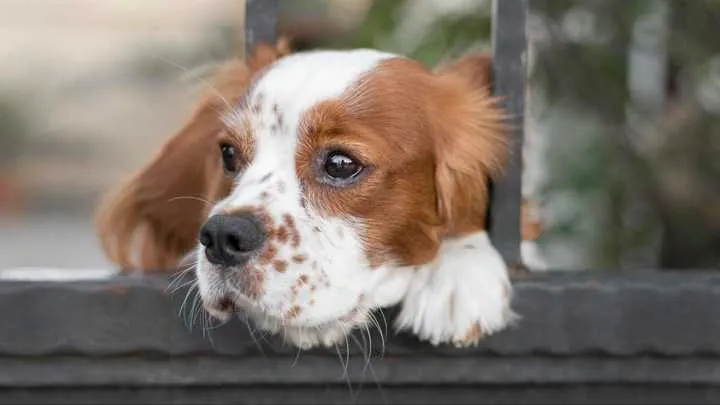 A dog looking concerned about pooping outside
4. Health Issues
Medical conditions can significantly impact a dog’s potty habits, particularly in older dogs. Cognitive decline might cause them to forget previously learned behaviors, including holding it for outdoor breaks. Other issues like arthritis can make it painful to squat, or conditions such as constipation or diarrhea can make defecation an uncomfortable or even frightening experience, leading them to avoid it outdoors.
5. Fear of Distractions
The outdoor environment can be overstimulating for some dogs. A symphony of new sounds and smells can easily distract them, causing them to focus on exploring or sniffing rather than on their bodily functions. These distractions can make it difficult for them to concentrate and complete their business.
How to Get Your Dog to Poop Outside in 7 Practical Tips
Once you understand the potential reasons for your dog’s reluctance, you can implement targeted strategies to encourage outdoor potty breaks. Consistency, patience, and positive reinforcement are crucial throughout this process.
1. Consider Their Feeding Schedule
Dogs typically need to eliminate about 30 minutes after a meal. By observing your dog’s feeding schedule, you can anticipate when they are likely to need a potty break. This allows you to time outdoor trips strategically, increasing the chances of a successful outdoor elimination. Remember that puppies require more frequent feedings and thus more frequent potty breaks than adult dogs.
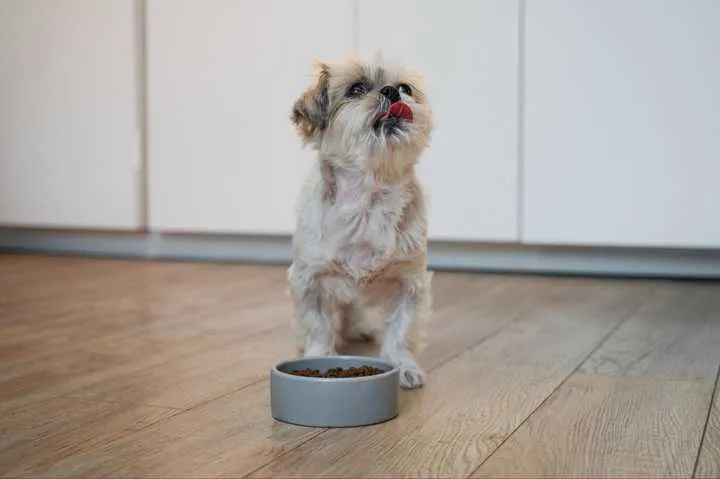 A dog trainer showing how to encourage a dog to poop outside
2. Establish a Routine
A predictable routine is fundamental to successful potty training. Just as a regular feeding schedule helps anticipate potty needs, a consistent walking schedule helps your dog understand when to expect outdoor time. This predictability reduces anxiety and helps them learn to hold it until the designated potty times. Establishing a routine is a cornerstone of how to train a dog to walk on the leash.
3. Recognize Signals
While a routine is helpful, dogs don’t always follow a strict schedule. It’s important to be attuned to your dog’s body language that indicates they need to go. Common signs include squatting, restlessness, circling, whining, barking, or heading towards the door. Recognizing these cues allows you to quickly guide them outside for a potty break.
4. Use Rewards
Positive reinforcement is a powerful tool. When your dog successfully eliminates outdoors, offer immediate praise and a high-value treat. This creates a positive association with pooping outside. The reward should be given right after they finish to ensure they connect the reward with the action. If your dog seems too focused on the treat, consider using a slightly less exciting reward to ensure their primary focus is on eliminating. This is a vital part of how to potty train a puppy.
“Sometimes, if the treat is too exciting, they focus more on the treat than on going potty. In this case, you may need to switch to a less exciting treat.”
Karen Piwinski
5. Introduce the Crate
Crate training can leverage a dog’s natural instinct to keep their den clean. A properly sized crate, where your dog can stand up, turn around, and lie down comfortably, encourages them to hold their bladder and bowels. By limiting their space, you gain better control over their elimination schedule, allowing you to take them out more frequently during opportune times. This is also beneficial for how to teach a dog to poop outside.
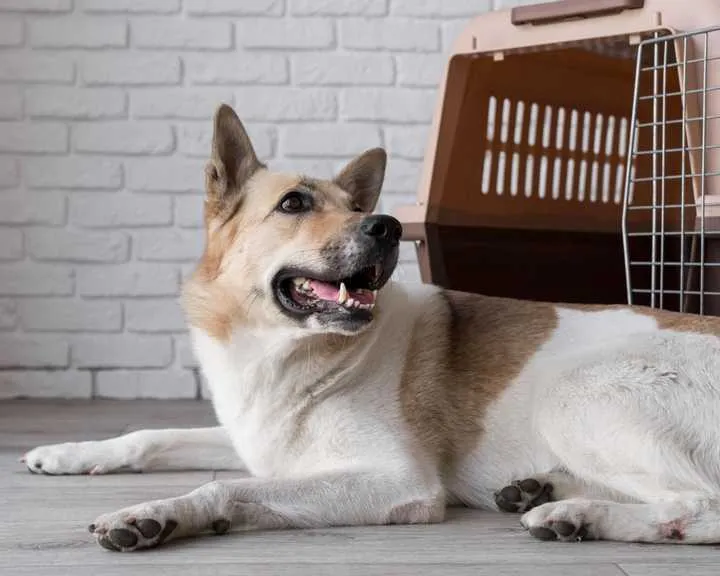 A puppy happily inside a dog crate
6. Clean Thoroughly After Accidents
If your dog has an accident indoors, it’s crucial to clean the area thoroughly with an enzymatic cleaner. Dogs have a keen sense of smell, and lingering odors can attract them back to the same spot, reinforcing it as a suitable place to eliminate. Enzymatic cleaners break down the odor molecules, effectively removing the scent and preventing future accidents in that location. Proper cleaning is essential for successful house training.
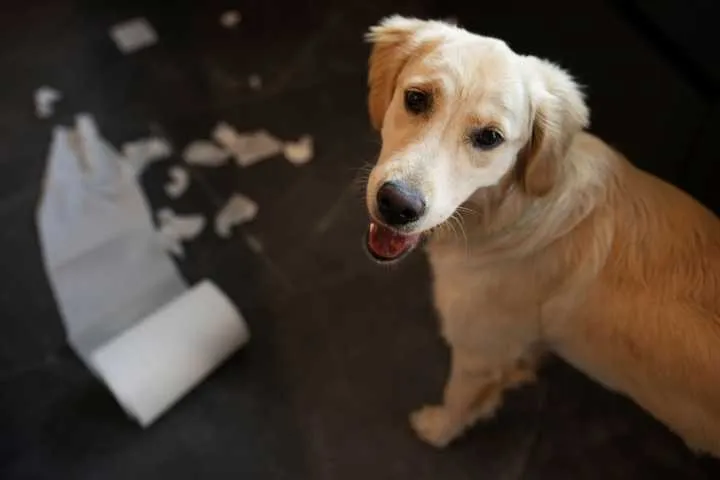 A person cleaning a stain on a carpet
7. Consistency is Key
Inconsistency in your training approach can confuse your dog and hinder progress. Ensure everyone in the household is on the same page regarding feeding times, potty breaks, and reward systems. Sticking to a consistent schedule and using consistent praise and rewards will help your dog understand your expectations and learn to eliminate outdoors reliably. This consistent approach is also vital for other training goals, such as how to teach puppy to pee on pad or preventing behaviors like how to stop a dog from jumping up on guests.
Wrap Up
Housetraining your dog to poop outside is a fundamental aspect of responsible pet ownership, fostering a cleaner and more harmonious living environment. While occasional accidents are a normal part of the process, a consistent, patient, and positive approach can help your dog master outdoor eliminations. By understanding their needs, recognizing their signals, and employing effective training techniques, you can help your canine companion become reliably housetrained, leading to a more enjoyable life for both of you. Remember, patience and consistency are your greatest allies in this training journey.
