
It’s a common, heartwarming, yet sometimes overwhelming sight: your dog, tail wagging furiously, leaps up to greet you. While the enthusiasm is endearing, an untrained jumping dog can be a nuisance and even pose a risk, especially to children or the elderly. This guide will walk you through the essentials of How To Train A Dog To Not Jump up, transforming that boisterous greeting into a more controlled and polite welcome. Understanding why dogs jump is the first step in addressing the behavior, and with patience and consistency, you can teach your canine companion better manners.
Understanding Why Dogs Jump
Dogs jump for a variety of reasons, often stemming from their natural instincts and social behaviors. Understanding these motivations is key to effectively redirecting the behavior.
Natural Greetings and Social Hierarchy
In a dog’s world, jumping up is a way to get closer to the faces of pack members, both human and canine. Puppies often jump to greet their mothers, and this behavior can carry over into adulthood. It’s their way of saying hello and engaging with their social group. They are simply trying to reach you at your level, just as they would do with another dog.
Seeking Attention and Excitement
Jumping is often a learned behavior, reinforced by the attention it receives, even if that attention is negative. If a dog jumps and gets a pat, a word, or even a push away, they’ve still received a reaction. This makes them more likely to jump again in the future because they associate it with getting your attention. High-energy dogs, or those feeling particularly excited or anxious, are more prone to this type of greeting.
Playfulness and Overstimulation
Sometimes, jumping is a manifestation of pure exuberance and a desire to play. When a dog is overstimulated by a new person, a particularly exciting game, or a chaotic environment, jumping can be an outlet for that pent-up energy. It’s a physical expression of their joy and excitement that hasn’t yet been channeled appropriately.
The Importance of Training a Dog Not to Jump
Teaching your dog not to jump is not just about good manners; it’s crucial for safety and building a well-behaved companion.
Safety Concerns
A large, exuberant dog jumping on people can easily knock them over, leading to injuries, particularly for young children, the elderly, or individuals with mobility issues. This unwanted behavior can make interactions with guests stressful and may even lead to a dog being restricted from certain environments or social situations.
Building a Better Bond
Consistent training, especially when using positive reinforcement methods, strengthens the bond between you and your dog. It fosters clear communication and mutual understanding. When your dog learns to greet people politely, it makes them a more welcome presence in all aspects of your life, from home visits to public outings. This improved behavior is a testament to your dedication and their ability to learn.
Establishing Clear Boundaries
Training your dog not to jump up helps establish clear boundaries and expectations. It teaches them what kind of behavior is acceptable and what isn’t, reinforcing your role as the leader and ensuring a harmonious living environment. This clarity is essential for a dog’s sense of security and well-being.
Step-by-Step Guide: How to Train Your Dog Not to Jump
Implementing a consistent training strategy is vital for success. Remember, patience is key, and every member of the household should be on the same page with the training approach.
Step 1: Ignore the Jumping Behavior
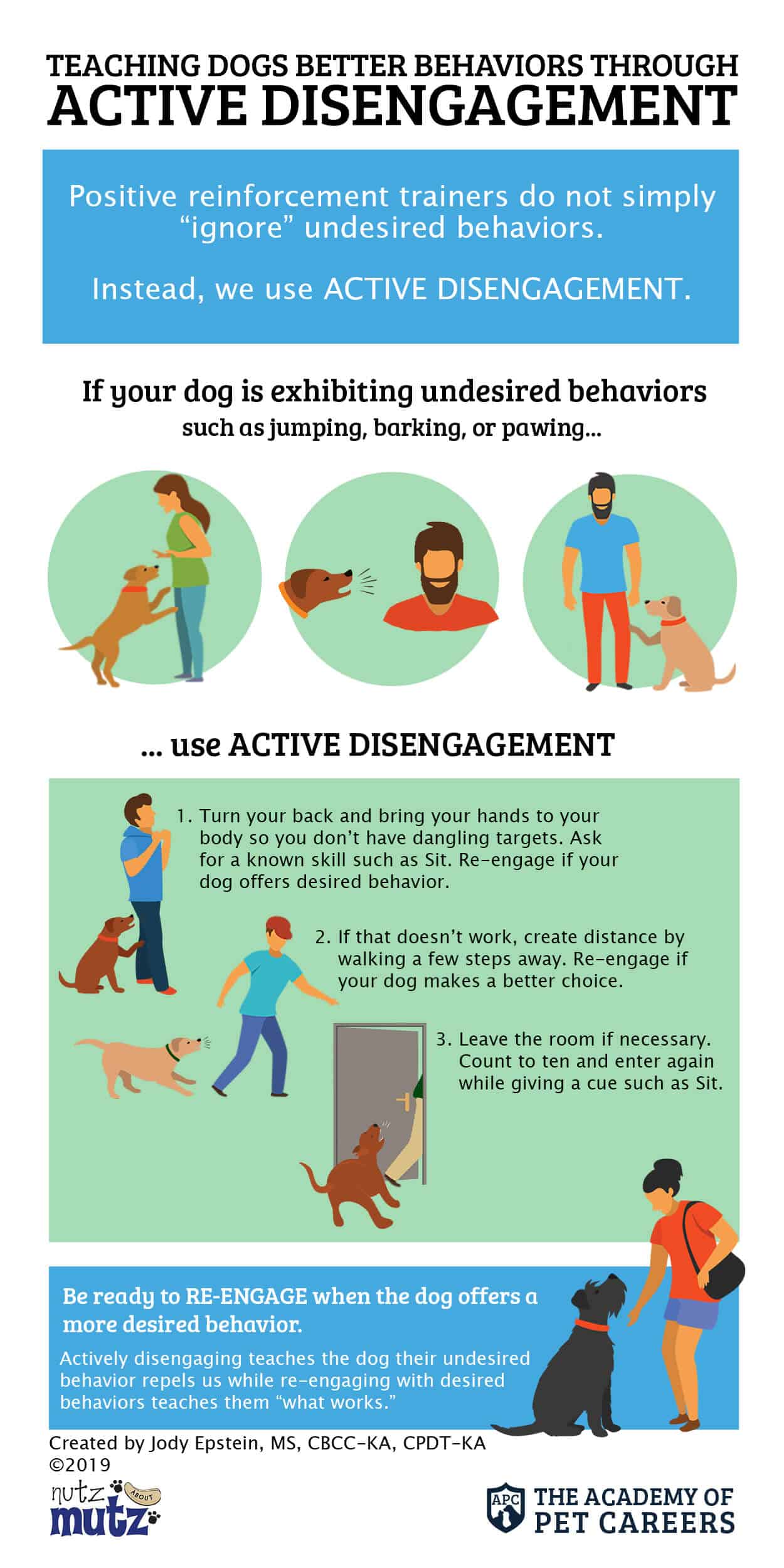
The most crucial first step in how to train a dog not to jump up is to completely ignore the behavior when it happens.
- Turn Away: As soon as your dog jumps, turn your back to them. Do not make eye contact, speak to them, or touch them. Any attention, even negative, can reinforce the jumping.
- Step Back: If turning away isn’t enough, take a step back to create distance. This signals that jumping results in losing the interaction they’re seeking.
- Wait for Four Paws on the Floor: Only re-engage with your dog once all four of their paws are back on the ground. Then, offer praise or a gentle pet.
This immediate consequence teaches the dog that jumping stops the interaction, while staying calm and keeping all four paws on the floor earns attention.
Step 2: Teach an Alternative Behavior
Simply stopping a behavior isn’t always enough; you need to teach your dog what you want them to do instead. For jumping, the desired behavior is often a calm sit. This is why how to train my dog not to jump up often includes teaching a reliable sit.
- Reward Calmness: When your dog is calm and not jumping, reward them with praise, a treat, or a gentle pet.
- Incorporate the “Sit” Command: Ask your dog to sit when greeting them, or when guests arrive.
- Practice “Sit” Frequently: Make “sit” a command your dog knows well in various situations, not just during greetings. The better they know “sit,” the more likely they are to offer it when prompted.
The goal is for the dog to associate a calm, seated posture with positive attention from people.
Step 3: Manage Greetings (Especially with New People)
New people and exciting environments can be triggers for jumping. Proactive management is essential.
- Leash Control: When expecting guests, keep your dog on a leash initially. This allows you to prevent jumping by gently holding them back or guiding them into a sit. You can release the leash once they’ve shown they can remain calm.
- Enlist Guest Help: Ask your guests to help with the training. Instruct them to follow the “ignore the jump, reward the sit” rule. They should only interact with your dog once they are calm and seated.
- Controlled Entry/Exit: Practice controlled entries and exits. Have your dog sit at the door before opening it, and reward them for staying in place.
This controlled approach ensures that every greeting is a training opportunity. Training your dog not to jump up relies heavily on these controlled scenarios.
Step 4: Practice Consistently and Everywhere
Consistency is the cornerstone of effective dog training. This principle applies strongly to train dog not to jump on people.
- Household Consistency: Ensure everyone in the home follows the same rules. If one person allows jumping while another discourages it, the dog will become confused.
- Varying Environments: Practice greetings in different locations – inside, outside, at the park (on leash). This helps generalize the behavior.
- Different People: Expose your dog to a variety of people (different ages, genders, gaits) to ensure they learn to greet everyone politely.
The more your dog practices the desired behavior in various contexts, the more ingrained it will become.
Advanced Tips for Persistent Jumpers
Some dogs may require a bit more focused effort. Here are some additional strategies for persistent jumpers.
Using a Verbal Cue for “Off”
While ignoring and rewarding calm behavior are primary, a clear verbal cue can be helpful.
- Introduce “Off”: When your dog jumps, calmly say “Off” and immediately turn away or step back.
- Reward Calmness: As soon as they comply and have all four paws on the floor, praise them. The “off” command is paired with the consequence of losing attention, and the reward comes when they are off.
This helps them associate the word with the action of dismounting.
Redirecting Energy
Often, jumping is a sign of excess energy. Ensuring your dog gets enough physical and mental stimulation can significantly reduce the urge to jump.
- Sufficient Exercise: Provide daily walks, runs, or playtime appropriate for your dog’s breed and energy level. A tired dog is a well-behaved dog.
- Mental Stimulation: Engage their minds with puzzle toys, training sessions, or scent games. Mental exercise can be just as tiring as physical exercise and helps curb frustration-induced behaviors.
How do you train a dog not to jump up effectively involves addressing the root cause of the energy.
Leash Pulling and Jumping
If your dog jumps while on a leash, it can be particularly frustrating.
- Reinforce Loose Leash Walking: Practice loose-leash walking exercises separately. A dog that pulls on the leash might also be more inclined to jump in excitement.
- Stop Forward Motion: If your dog jumps while leashed, simply stop walking. Do not move forward until the leash is slack and all four paws are on the ground. This teaches them that jumping halts progress.
This method is a direct application of how to train a dog not to jump up, utilizing the leash as a management tool.
What NOT to Do When Training a Dog Not to Jump
Certain common reactions, though seemingly intuitive, can actually worsen the problem.
Avoid Physical Punishment
Never hit, knee, or physically punish your dog for jumping. This can lead to fear, anxiety, and aggression. It damages the trust between you and your dog and is an ineffective training method for this behavior. Dogs do not learn well when they are scared.
Don’t Yell or Scream
While it’s tempting to react loudly, yelling can actually excite the dog further or scare them, inadvertently reinforcing the behavior or causing other issues. A calm and consistent approach is always more effective than an emotional outburst.
Don’t Be Inconsistent
Inconsistency is the fastest way to undermine your training efforts. If your dog jumps and sometimes gets attention, and other times is ignored, they will continue to try jumping, hoping for that one time they get what they want. Everyone needs to be on the same page.
When to Seek Professional Help
If you’ve tried consistent training for several weeks and are not seeing improvement, or if your dog’s jumping is accompanied by aggression or extreme anxiety, it’s time to consult a professional.
- Certified Professional Dog Trainer (CPDT): A good trainer can assess your dog’s specific behavior, identify underlying causes, and provide tailored advice and techniques. They can help with nuanced situations like training a dog not to jump up on visitors.
- Veterinary Behaviorist: For severe cases involving aggression or deep-seated anxiety, a veterinary behaviorist can offer a comprehensive evaluation and treatment plan, potentially including medication if necessary.
A professional can offer expert guidance and support, ensuring you are using the most effective methods for your dog’s unique needs.
Conclusion
Teaching your dog not to jump up is a rewarding process that enhances your relationship and ensures safer interactions. By understanding the reasons behind the behavior, implementing consistent training techniques that focus on ignoring the jump and rewarding a calm sit, and managing greetings effectively, you can guide your dog toward more polite greeting habits. Remember that every dog learns at their own pace, so celebrate small victories and remain patient. With dedication, your dog can become a well-mannered companion, ready to greet everyone with a wagging tail and all four paws firmly on the ground.
