
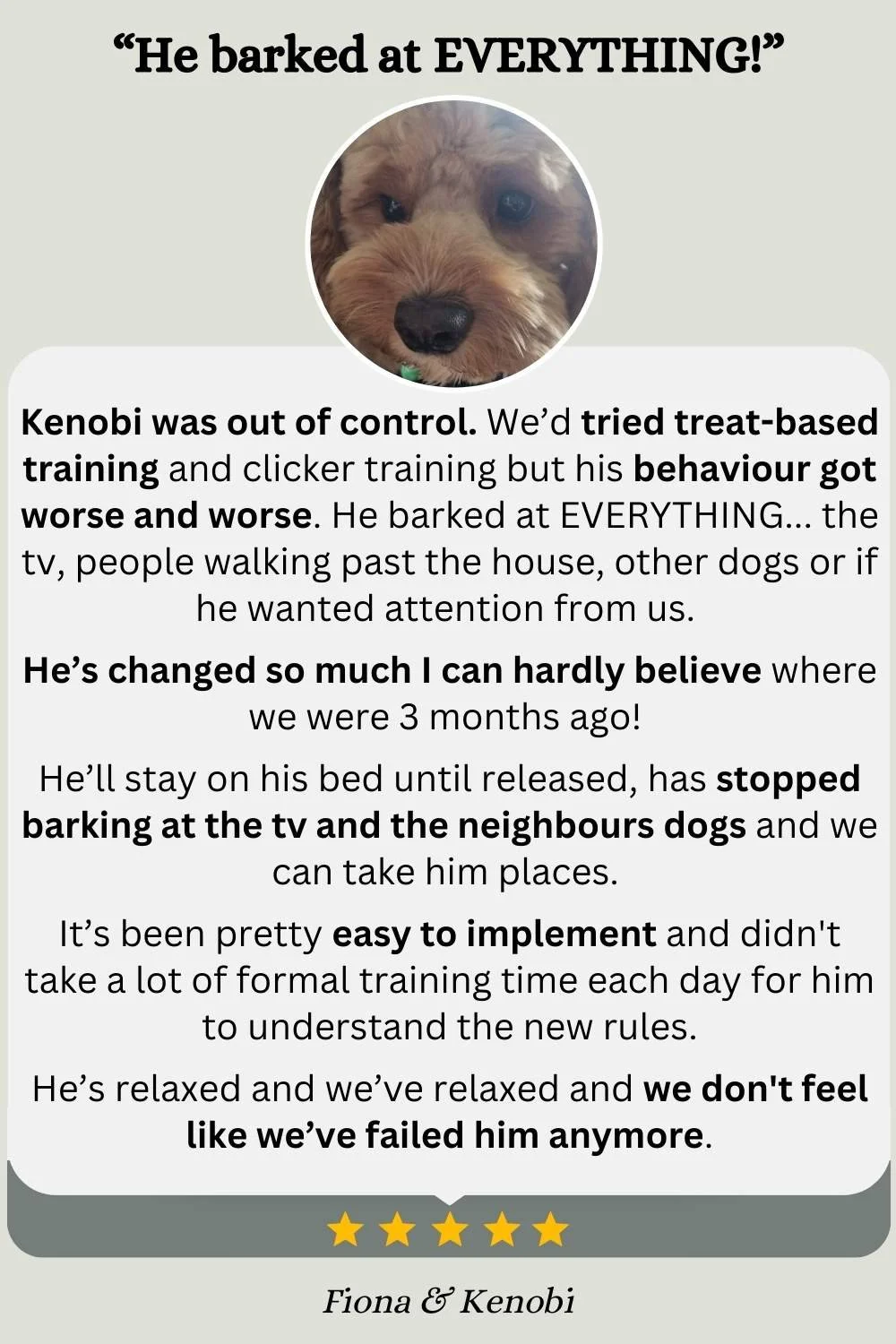
Understanding why your dog barks is the first step to managing it. Barking is a natural form of communication for dogs, used to express excitement, fear, boredom, or to alert you to something they perceive as a threat. However, excessive or nuisance barking can become a problem for both you and your neighbors. This guide will walk you through the essential steps and strategies to effectively train your dog to bark less and help foster a more peaceful environment for everyone. We’ll delve into the common triggers for barking and provide actionable techniques to address each one. By understanding your dog’s motivations and applying consistent training methods, you can significantly reduce unwanted barking.
Understanding the Root Causes of Canine Barking
Before you can effectively train your dog to bark less, it’s crucial to identify the underlying reasons for their vocalizations. Dogs bark for a variety of reasons, and recognizing these will help you tailor your training approach.
Alert/Territorial Barking
This is perhaps the most common type of barking. Your dog is alerting you to the presence of someone or something new in their perceived territory – this could be a person walking by, another animal, or even a strange noise. This type of barking is often characterized by a sharp, repetitive sound.
Boredom/Attention-Seeking Barking
If a dog isn’t getting enough physical or mental stimulation, they may bark out of sheer boredom or to get your attention. This barking might be a persistent, attention-grabbing sound that stops as soon as you acknowledge them, even if it’s just to tell them to be quiet. This is where understanding how to train dog to not bark becomes critical for your peace of mind.
Fear/Anxiety Barking
Loud noises, unfamiliar people or objects, or separation from their owner can trigger fear or anxiety, leading to barking. This bark might sound high-pitched and a bit shaky. For dogs with separation anxiety, barking can become incessant when they are left alone.
Greeting/Excitement Barking
Some dogs bark enthusiastically when they greet people or other dogs, or when anticipating something fun like a walk or mealtime. This is usually a happy, upbeat bark.
Compulsive Barking
In some cases, barking can become a compulsive habit, much like a human might develop a nervous tic. This is less common and often requires professional intervention.
Medical Issues
While less common, sudden increases in barking could sometimes be linked to a medical condition, such as pain, cognitive decline in older dogs, or hearing/vision loss. If you suspect a medical issue, consult your veterinarian.
Effective Training Strategies for Reducing Barking
Once you’ve identified the reason behind your dog’s barking, you can implement targeted training strategies. Consistency and patience are key to success.
Managing Alert/Territorial Barking
- Desensitization and Counter-Conditioning: Gradually expose your dog to the triggers (e.g., people walking by) at a distance where they don’t bark, pairing the sight with positive reinforcement like treats. Slowly decrease the distance over time.
- Block Visual Access: If your dog barks at things outside, use curtains, blinds, or frosted window film to block their view.
- Teach a “Quiet” Command: When your dog barks, let them bark a few times, then get their attention with a treat. As soon as they pause to sniff or take the treat, say “Quiet” and reward them. Gradually increase the duration of silence required before rewarding.
Addressing Boredom/Attention-Seeking Barking
- Increase Physical Exercise: Ensure your dog gets enough daily exercise appropriate for their breed, age, and energy level. A tired dog is less likely to bark out of boredom.
- Provide Mental Stimulation: Engage your dog’s mind with puzzle toys, interactive games, and training sessions. Scent work and learning new tricks can be very effective.
- Ignore the Barking (Initially): If your dog barks for attention, do not reward them by looking at them, speaking to them, or touching them while they are barking. Wait for a brief pause in barking, then give them the attention they crave. This teaches them that quiet behavior gets them noticed.
Dealing with Fear/Anxiety Barking
- Create a Safe Space: Provide a comfortable, den-like area where your dog can retreat when feeling anxious, such as a crate covered with a blanket.
- Consult a Professional: For severe fear or separation anxiety, professional help from a certified dog trainer or veterinary behaviorist is highly recommended. They can help develop a comprehensive behavior modification plan.
- Avoid Punishment: Punishing a fearful dog can increase their anxiety and worsen the barking. Focus on building their confidence and positive associations.
Modifying Greeting/Excitement Barking
- Teach Impulse Control: Practice commands like “Sit” and “Stay” during exciting moments, such as when someone arrives at the door. Reward calm behavior.
- Manage Greetings: Ask visitors to ignore your dog until they are calm. Once your dog has settled down, they can be greeted.
Essential Tools and Techniques
Beyond specific strategies, certain tools and general training principles can be invaluable.
The Power of Positive Reinforcement
This is the cornerstone of all effective dog training. Reward desired behaviors (like silence) with treats, praise, or toys. This makes your dog more likely to repeat those behaviors.
Consistency is Crucial
Everyone in the household must be on the same page with training methods and rules. Inconsistency will confuse your dog and hinder progress. For example, if one person allows barking for attention and another doesn’t, the dog will continue to bark. Learning training your dog not to bark requires a united front.
Using a “Quiet” Cue
As mentioned earlier, teaching a “Quiet” command is a powerful tool. It allows you to interrupt barking and redirect your dog’s focus.
“Speak” Command for Control
Paradoxically, teaching your dog a “Speak” command can help you gain control over their barking. By teaching them to bark on command, you can then teach them to stop on command, reinforcing the “Quiet” cue.
Avoid Punishment-Based Methods
Yelling at your dog to be quiet often sounds like you’re barking along with them, and can increase their anxiety or excitement. Aversive methods can damage your relationship with your dog and are generally less effective long-term than positive reinforcement.
When to Seek Professional Help
While many barking issues can be managed with consistent training at home, there are times when professional guidance is necessary.
- Severe Separation Anxiety: If your dog’s barking and distress are extreme when left alone, a professional behaviorist can provide specialized treatment plans.
- Aggression: If barking is accompanied by aggressive behaviors like growling, lunging, or biting, it’s crucial to consult a certified professional trainer or veterinary behaviorist immediately.
- Compulsive Barking: If barking seems uncontrollable and obsessive, a professional can help diagnose and treat the underlying cause.
Frequently Asked Questions About Dog Barking
Q1: My dog barks at everything. How can I stop it?
A1: Identify the trigger. If it’s alertness, teach a “Quiet” command and desensitize them. If it’s boredom, increase exercise and mental stimulation. Consistent training is key.
Q2: Is it okay to use a bark collar?
A2: Bark collars (like citronella or shock collars) should be considered a last resort and used with extreme caution, ideally under the guidance of a professional. They can suppress barking but don’t address the root cause and can cause fear, anxiety, or even aggression.
Q3: How long does it take to train a dog not to bark?
A3: The timeline varies greatly depending on the dog, the cause of barking, and the consistency of training. Some dogs respond within weeks, while others may take months. Patience and consistency are more important than speed.
Q4: My puppy barks a lot. Is this normal?
A4: Puppies bark to communicate needs, express excitement, or alert their mother and littermates. It’s normal to an extent, but it’s important to start teaching them appropriate vocal behavior and social cues from an early age. You can begin implementing how to train you dog not to bark principles even with young puppies.
Q5: Can my dog’s barking be a sign of illness?
A5: While less common, a sudden and unexplained increase in barking, especially in older dogs, could indicate a medical issue like pain, vision loss, or cognitive dysfunction. If you notice such changes, consult your veterinarian.
Conclusion: Fostering a Quieter, Happier Canine Companion
Training your dog to bark less is a journey that requires understanding, patience, and consistent effort. By identifying the root causes of their vocalizations and applying positive reinforcement techniques, you can effectively manage and reduce nuisance barking. Remember that barking is a natural dog behavior, and the goal isn’t to eliminate it entirely, but to manage it appropriately. A well-trained dog who understands boundaries and has their needs met is a happier, more integrated member of the family. Embrace the process, celebrate small victories, and enjoy the deeper bond you’ll build with your canine companion through effective communication and training. Applying the principles of can you train a dog not to bark can lead to a more harmonious life for both you and your furry friend.
