
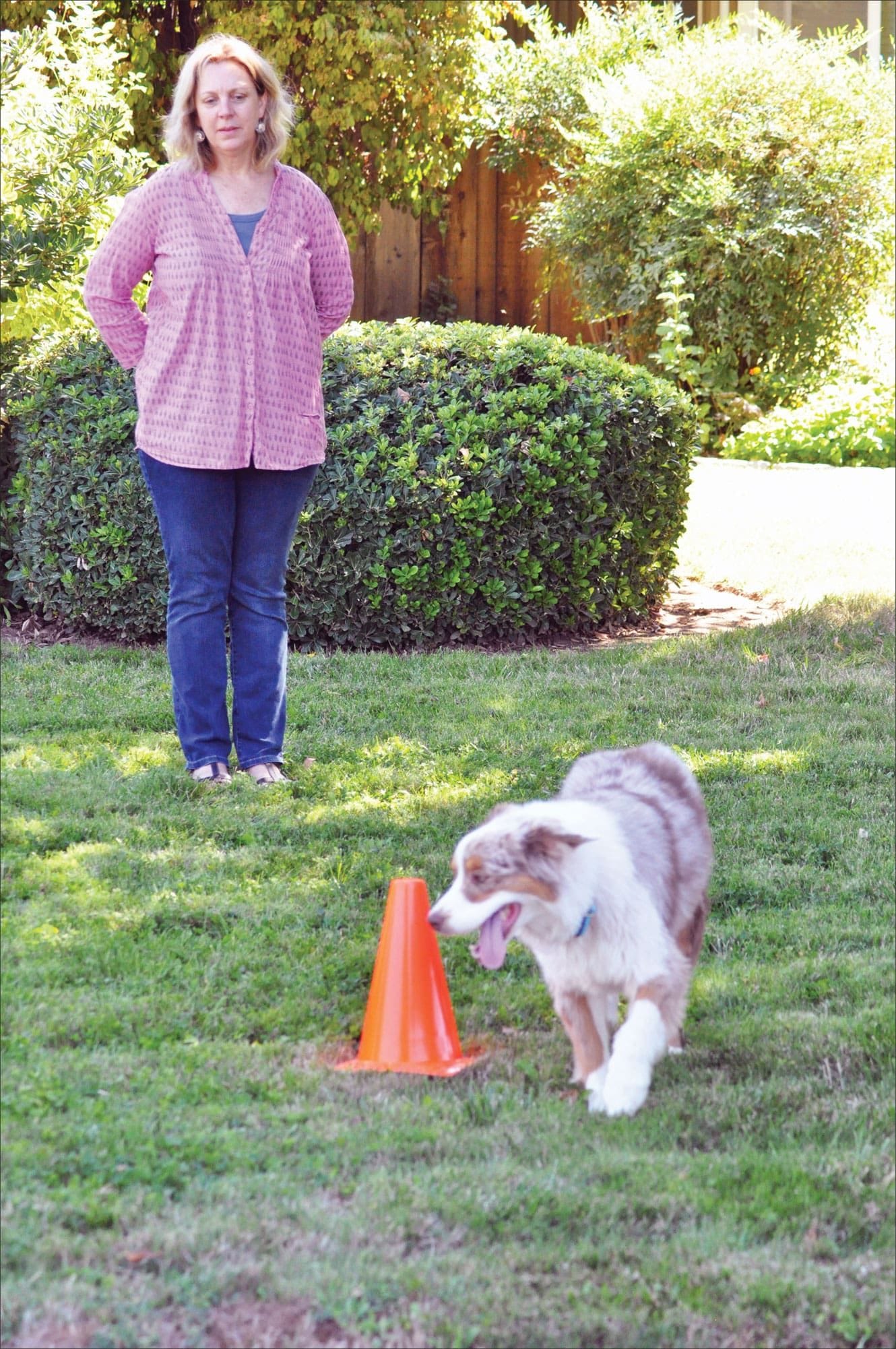
Many dog owners diligently create a safe, mistake-free environment inside their homes for their pets when left unattended. However, this crucial step is often overlooked when it comes to managing dogs in the backyard. Outdoor training and prevention are just as vital as indoor management. Just as a dog can develop destructive habits inside, like chewing furniture, they can also learn undesirable and potentially dangerous behaviors when left alone outdoors, such as digging, escaping, eating plants, or damaging outdoor belongings.
Should You Leave Your Dog Unattended Outside?
The decision to leave a dog unattended outdoors depends heavily on your location and the associated risks. In areas with threats like coyotes, mountain lions, snakes, or even extreme weather, it is generally not recommended. Even in safer environments, a dog’s constant reaction to passersby can escalate over time, potentially leading to aggressive behavior if a barrier were removed. Therefore, the safest place for a dog when unsupervised is typically indoors. However, for those who prefer or are required to allow their dogs outdoor time while supervised, teaching them appropriate backyard behavior is essential.
Creating a Mistake-Free Zone for Outdoor Training
The principles of training a dog to behave appropriately outdoors mirror those used for indoor training. During the initial training phase, it’s crucial to prevent your dog from learning undesirable behaviors by providing a mistake-free zone. A large pen inside the house is ideal, offering safety from external elements and minimizing opportunities for barking at outside stimuli. If an outdoor pen is the only option, ensure it is escape-proof, both from the bottom and potentially the top. This outdoor space should include a comfortable kennel, shade, fresh water, toys, chews, space for play, and a designated potty area. A radio placed outside the pen can help mask distracting noises. The goal is to gradually eliminate the pen as your dog earns more freedom. For dogs exhibiting separation anxiety, seeking professional help from a positive reinforcement trainer is recommended. Remember, a pen is a temporary management tool during the training process, not a permanent solution. If you must be away for extended periods, arrange for someone to visit and interact with your dog.
Teaching Desired Behaviors Outdoors
Beyond management, actively teach your dog what you do want them to do when outside. Encourage play with appropriate toys and chewing on bones. Reinforce them with treats for settling on an outdoor dog bed and reward good choices with treats and attention.
Supervised Outdoor Time and Positive Reinforcement
Spending time outside with your dog and closely monitoring their actions is key. Interrupt any undesirable behavior as soon as it occurs and redirect your dog to a more appropriate activity, such as playing with available toys. The focus should always be on reinforcing your dog’s good choices. Neglecting this can lead your dog to engage in unwanted behaviors simply to gain your attention. Avoid using intimidation, angry voices, or threats of punishment. Such methods can teach your dog that undesirable behaviors are acceptable when you are not around. By refraining from intimidation, your dog will behave similarly whether you are present or not, making it easier to gauge when they are ready for more unsupervised freedom.
Systematically Teaching Alone Time Outdoors
When you believe your dog is ready, begin leaving them outside for short, supervised periods. Watch through a window or use a camera. Gradually extend these times methodically. Ensure you go outside to interact with your dog frequently when they are making good choices, so they don’t learn that digging or barking will bring you out.
The Role of Crates vs. Pens
While teaching your dog to be comfortable in a crate for travel or vet visits is beneficial, confining them for many hours daily in a space with only limited movement options is not ideal. A pen large enough for your dog to move around and make choices offers more benefits. It allows them to choose where to rest, stretch their legs, and play, preparing them better for being left loose in the house or yard. This approach can reduce their desperation for play and exercise upon your return, contrasting with crates that primarily teach dogs what to do when they have no choices.
