
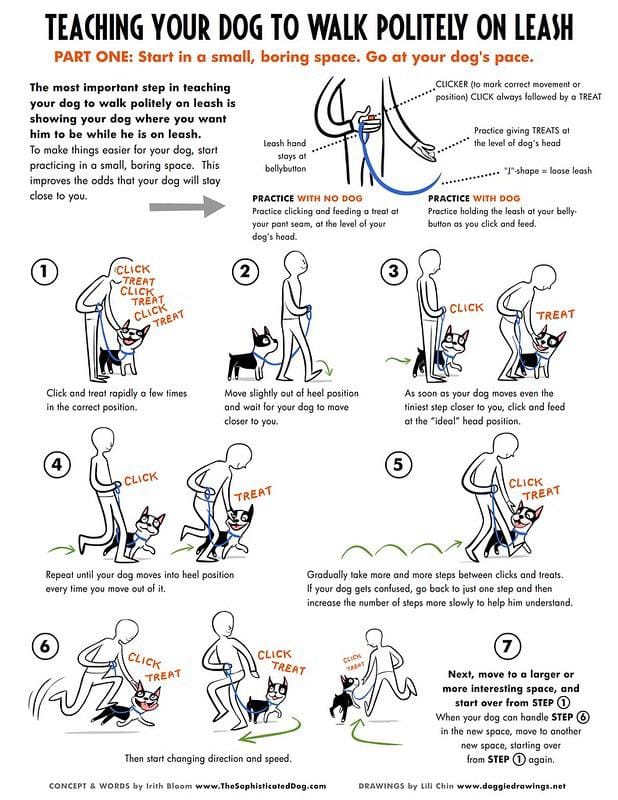
Letting your dog experience the world off-leash is one of the great joys of pet ownership. Watching them run freely, explore new scents, and truly be a dog is a rewarding experience. However, this freedom comes with immense responsibility. Knowing How To Train A Dog To Be Off Leash is not just about teaching a single command; it’s about building an unbreakable bond of trust, communication, and reliable obedience. This comprehensive guide will walk you through the essential steps, from building a solid foundation to proofing behaviors in distracting environments, ensuring your adventures are both fun and safe.
The journey to off-leash reliability begins long before you unclip the leash. A solid foundation in basic obedience is non-negotiable, as this forms the bedrock of communication between you and your canine companion. To explore the fundamentals further, you can read about general dog off leash training to get a broader perspective. Without a mastery of core commands in low-distraction environments, attempting off-leash work is not only premature but also dangerous. Think of it as building a house; you wouldn’t put up the walls without first laying a solid foundation.
Is Your Dog Ready for Off-Leash Freedom?
Before you even think about dropping the leash, it’s crucial to honestly assess your dog’s temperament and training level. Not every dog is a suitable candidate for off-leash roaming, and that’s okay. Safety must always be the top priority.
Key Readiness Indicators:
- Solid Recall: Does your dog come back to you every single time you call them in your home and yard, regardless of minor distractions? A reliable recall is the most critical skill for off-leash safety.
- Strong Focus on You: Does your dog frequently “check in” with you on walks, making eye contact without being prompted? This shows they are aware of you and value your presence.
- Good Impulse Control: Can your dog resist chasing after a squirrel, another dog, or a blowing leaf when you ask them to? Commands like “leave it” and “stay” are vital for managing their natural instincts.
- Age and Maturity: Very young puppies lack the impulse control and focus needed for off-leash training. Most experts recommend waiting until a dog is at least six to eight months old and has a solid grasp of basic obedience.
- Breed Considerations: Some breeds, like hounds or terriers, were bred to be independent hunters and may have a much higher prey drive, making off-leash training more challenging. It’s not impossible, but it requires extra diligence.
If you answered “no” to any of the first three points, you have some foundational work to do before proceeding. Rushing the process is a recipe for disaster.
The Foundational Commands You Must Master
Mastering off-leash reliability is less about a single “trick” and more about perfecting a suite of behaviors that work together to keep your dog safe. These commands must be rock-solid in a controlled environment before you introduce the complexities of the outside world.
1. The Bulletproof Recall (“Come!”)
This is the most important command your dog will ever learn. A recall shouldn’t be a suggestion; it should be an automatic, enthusiastic response.
- Make it a Party: Never use “come” for something negative, like a bath or nail trim. Every time your dog comes to you, reward them lavishly with high-value treats (like chicken or cheese), excited praise, or a favorite toy.
- Start Easy: Practice in your living room with no distractions. Call your dog from a few feet away and reward them. Gradually increase the distance.
- Use a Long Line: Once reliable indoors, move to a secure yard with a 20-30 foot long line. This gives your dog a sense of freedom while ensuring you have ultimate control. Let them wander, then call them and reward their return. Never reel them in with the line; the return must be their choice.
- Never Punish a Return: If your dog takes a while to come back, resist the urge to scold them. You must reward the final act of coming to you, otherwise, they will associate returning with punishment.
2. The Rock-Solid “Stay”
A reliable “stay” can prevent your dog from running into a dangerous situation, like a busy street or an unfriendly dog.
- The Three D’s: Practice “stay” by gradually increasing the three D’s: Duration (how long they stay), Distance (how far you move away), and Distraction (what’s happening around them). Only increase one “D” at a time.
- Release Word: Always use a release word like “Okay!” or “Free!” to let them know the command is over. This teaches them they must hold the position until you give the cue.
3. The Lifesaving “Leave It”
From a piece of dropped food to a dead animal on the trail, “leave it” tells your dog to ignore an object completely.
- Start with Low-Value Items: Place a boring treat in your hand and close your fist. Let your dog sniff and lick. The moment they pull away, even for a second, praise them and give them a different, better treat from your other hand.
- Increase the Difficulty: Gradually work up to dropping treats on the floor, covering them with your hand, and eventually having tantalizing items on the ground that they must ignore on your command.
As you build these skills, you’re not just teaching commands; you’re learning how to off leash train your dog by creating a language of trust.
Transitioning to Off-Leash: A Step-by-Step Guide
Once your dog has mastered the foundational commands on a long line in various controlled environments, you can begin the transition to being truly off-leash. This must be done gradually and in carefully selected locations.
Step 1: Find a Safe, Fenced-In Area
Your first off-leash sessions should be in a location that is completely secure. A fenced-in tennis court (with permission), a private dog park during off-hours, or a friend’s large, fenced yard are excellent choices. The goal is to remove the consequence of them running off so you can focus purely on training.
Step 2: The Leash Drop
Go to your chosen safe area with your dog on their long line. After a few minutes of warm-up recalls, simply drop the line and let them drag it. This feels like a huge step! Practice your recalls and other commands. The dragging line is a safety net; if they get distracted, you can step on the line to prevent them from getting too far.
Dr. Emily Carter, a renowned canine behaviorist, states, “The leash drop is a critical psychological step for both the owner and the dog. It transfers the control from a physical tether to the established bond of trust and communication. If that bond isn’t strong enough, it will become immediately apparent at this stage.”
Step 3: Removing the Leash in a Secure Area
After several successful sessions dragging the line, it’s time to take it off completely within your secure area. Keep the sessions short, fun, and positive. End on a high note with a successful recall. The goal is to make training so rewarding that being near you is the best thing in the world.
Step 4: Proofing in Low-Distraction, Unfenced Areas
This is the final frontier and should only be attempted when your dog is 99.9% reliable in secure areas. Find a large, open field far away from roads or other major hazards. Choose a time when there are very few people or other dogs around.
- Keep Your Dog Hungry: Go before a mealtime so your high-value treats are even more appealing.
- Play the “Check-In” Game: Throughout your walk, randomly reward your dog just for looking at you. This encourages them to stay mentally connected to you.
- Practice Emergency Stops: Use your “stay” command when they are at a distance to practice stopping them in their tracks.
Mastering this requires practice, and understanding specific techniques for how to train a dog off the lead can refine your approach.
Common Problems and How to Solve Them
Even with the best training, you might encounter setbacks. Here’s how to troubleshoot common issues.
“My Dog Won’t Come Back at the Dog Park!”
The dog park is one of the most distracting environments imaginable. It’s often the last place you should be practicing off-leash skills. Your dog is being rewarded for ignoring you by getting to play with other dogs. Go back to basics with a long line in less distracting environments. Your rewards need to be more valuable than the distraction.
“My Dog Bolts After Squirrels.”
This is about impulse and prey drive. You need to work extensively on your “leave it” command and on rewarding focus on you. Practice in areas where you know squirrels are present, but start at a very far distance where your dog can notice the squirrel but still listen to you. This is a gradual process that takes immense patience. If you’re struggling, finding local help through a search for [off the leash dog training near me](https://dogcarestory.com/off-the-leash-dog-training-near-me/) can provide professional guidance.
“They Get a Certain Distance Away and Then Ignore Me.”
This often happens when a dog learns the “boundary” of their long line. The solution is to vary the distances you call them from. Sometimes call them when they are only five feet away. Other times, let them get further out. Make coming back to you a fun, unpredictable game, not a routine.
Final Thoughts: A Lifelong Commitment
Knowing how to train a dog to be off leash is an ongoing process, not a destination. It requires constant reinforcement and an understanding that your dog’s reliability can change depending on their age, health, and environment. The freedom and joy it brings are unparalleled, but they are earned through diligence, patience, and the beautiful, invisible leash of trust you build together. Always prioritize your dog’s safety, respect leash laws, and continue to make training a fun and integral part of your relationship.
Frequently Asked Questions (FAQ)
1. At what age can I start off-leash training my dog?
You can start building the foundational commands like recall and focus from the day you bring your puppy home. However, serious off-leash training in unsecured areas shouldn’t begin until the dog has reached social maturity, typically after 8-12 months, and has proven 100% reliable on a long line.
2. What are the best high-value treats for off-leash training?
The best treats are smelly, delicious, and something your dog doesn’t get every day. Small pieces of boiled chicken, hot dogs, cheese, or commercial freeze-dried liver are excellent choices. Their value is determined by how much your dog loves them.
3. What do I do if my dog runs off and won’t come back?
The most important thing is not to panic, shout angrily, or chase them. This can turn into a fun game for them or scare them into running further. Try running in the opposite direction, calling their name excitedly. This often triggers their chase instinct, and they will run after you. Lying down on the ground can also sometimes pique their curiosity and bring them back.
4. Can any dog be trained to be off-leash?
While most dogs can learn reliable off-leash skills, some breeds with extremely high prey drives or independent natures (like some hounds, huskies, or terriers) may never be 100% trustworthy around major distractions like wildlife or livestock. It’s crucial to be honest about your individual dog’s temperament and prioritize their safety above all else.
5. How long does it take to train a dog to be reliably off-leash?
There is no set timeline. It can take months or even over a year of consistent daily practice. The process depends on your dog’s breed, age, temperament, and the amount of consistent effort you put in. It’s a marathon, not a sprint. The detailed process of how to off leash dog training varies for every dog.
