
Welcome to the start of a wonderful journey with your canine companion. Teaching your dog basic commands is about more than just obedience; it’s about building a language of trust and understanding that will strengthen your bond for years to come. Whether you’ve just brought home a new puppy or want to brush up on skills with an older dog, this guide will walk you through How To Train A Dog Simple Commands using positive, effective methods.
The foundation of all good training is positive reinforcement. This means rewarding your dog for getting something right, rather than punishing them for getting it wrong. Rewards can be small, tasty training treats, enthusiastic praise (“Good boy!”), or a favorite toy. This approach makes learning fun and encourages your dog to think and engage with you. Before you begin, find a quiet space with minimal distractions, get your high-value treats ready, and keep your sessions short and sweet—5 to 10 minutes at a time is perfect. Similar to learning the fundamentals of simple dog training commands, consistency and patience are your most important tools.
The Core Commands Every Dog Should Know
While there are many commands you can teach, a few are absolutely essential for safety and good manners. We’ll focus on the “big five”: Sit, Stay, Come, Down, and Leave It. Mastering these will create a well-behaved dog and a solid foundation for more advanced skills.
1. How to Teach “Sit”
The “Sit” command is often the first one owners teach, and for good reason. It’s a great way to manage excitable behavior and serves as a default “please” for your dog.
Step-by-Step Guide:
- Hold a treat near your dog’s nose.
- Move your hand upward, allowing their head to follow the treat. As their head goes up, their bottom will naturally lower into a sit position.
- Once they are in a sit, say “Sit,” and immediately give them the treat and praise them enthusiastically.
- Repeat this process several times in short sessions. Soon, you’ll be able to say the word “Sit” and have them do it without needing to lure them with the treat every time.
According to Dr. Emily Carter, a renowned canine behaviorist, “Teaching ‘Sit’ first is ideal because it’s an intuitive action for most dogs. This early success builds confidence in both the dog and the owner, making subsequent training feel more achievable.”
2. How to Teach “Come”
A reliable “Come” or recall command is arguably the most important for your dog’s safety. It can prevent them from running into a dangerous street or getting into a risky situation with another animal. The key is to always make coming to you a wonderful experience.
Step-by-Step Guide:
- Start in a quiet, enclosed area. Have your dog on a long leash.
- Say your dog’s name followed by “Come” in a cheerful, excited tone. You can crouch down and open your arms to be more inviting.
- Gently guide them toward you with the leash if needed.
- When they get to you, reward them with a very high-value treat and lots of praise. Never scold your dog when they finally come to you, even if it took a while. You want them to always associate coming to you with positive things.
As your dog gets better, you can practice in more distracting environments, which is a crucial step before attempting any kind of dog training off leash.
3. How to Teach “Down”
The “Down” command is a submissive posture and a great way to help a dog settle down and relax. Some dogs find this position more challenging than “Sit,” so be extra patient.
Step-by-Step Guide:
- Start with your dog in a “Sit” position.
- Hold a treat in your hand and lower it from their nose straight down to the floor between their paws.
- Their head should follow the treat, causing them to lie down.
- The moment their elbows touch the floor, say “Down” and give them the treat and praise.
- If they won’t lie down completely, reward them for any progress, like crouching or lowering their head.
4. How to Teach “Stay”
“Stay” is a command of self-control. It’s useful in many situations, from preventing your dog from bolting out the door to keeping them calm when guests arrive.
Step-by-Step Guide:
- Ask your dog to “Sit.”
- Open your hand in a “stop” gesture and say “Stay.”
- Take just one small step back. If they stay, step back to them, give them a treat, and release them from the stay with a word like “Okay!”
- Gradually increase the distance you step back and the length of time you ask them to stay. If they break the stay, don’t scold them. Simply lead them back to the original spot and try again with a shorter distance or time.
5. How to Teach “Leave It”
This command is a lifesaver. It teaches your dog to ignore dropped items (or food!) on the ground, which could be dangerous or just plain messy.
Step-by-Step Guide:
- Place a low-value treat (like a piece of their kibble) in your closed fist. Let your dog sniff your hand. They’ll likely lick and paw at it.
- Say “Leave It” and wait for them to back away, even for a split second.
- The moment they stop trying to get the treat, praise them and give them a much better treat from your other hand.
- Repeat until they back away from your fist as soon as you say “Leave It.”
- You can then progress to dropping the low-value treat on the floor and covering it with your hand, eventually moving to an uncovered treat on the floor.
These basic commands are the foundation for all other training. Remember that consistency is key, whether you’re training at home or working with a professional service like a local dog training surprise az provider. The principles of positive reinforcement are universal. More advanced skills, such as protective training for dogs, are built upon a solid mastery of these fundamentals.
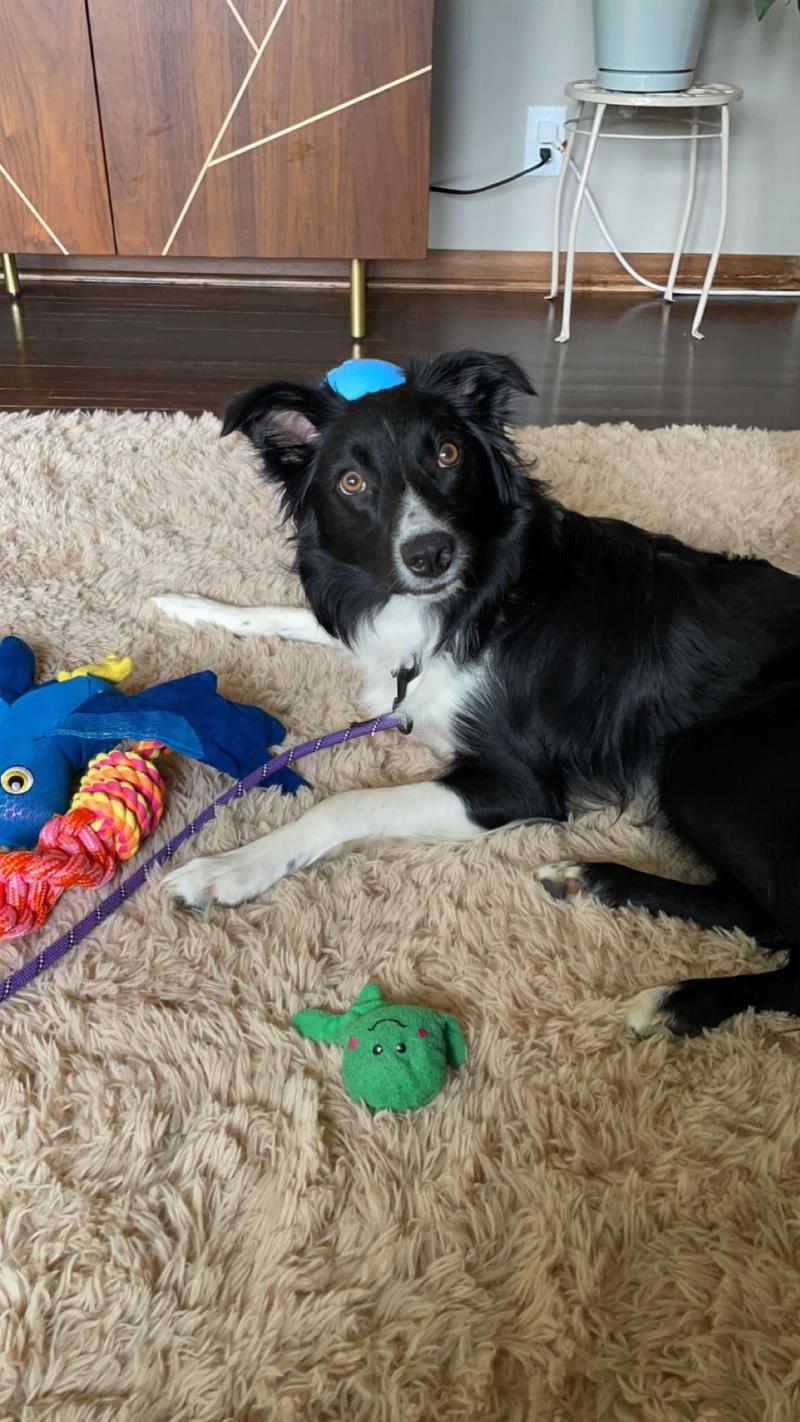 A focused Border Collie looking at its owner instead of a treat on the floor, showcasing the success of the 'leave it' command.
Pro Tips for Effective Training Sessions
To make the most of your training, keep these tips in mind:
- Keep it Short and Fun: Dogs, especially puppies, have short attention spans. Multiple 5-minute sessions are far more effective than one 30-minute session. End on a positive note when your dog has successfully completed a command.
- Use High-Value Rewards: While kibble might work for some dogs, using extra-special treats (small pieces of chicken, cheese, or store-bought training treats) will make them more motivated to learn.
- Fade the Lure: The treat in your hand is a “lure” to guide your dog. As they start to understand the command, begin to use the hand motion without a treat in it, but still reward them after they perform the action. Eventually, the verbal cue alone should be enough.
- Be Consistent: Everyone in the household should use the same commands and rules. Consistency is crucial for your dog to learn what is expected of them.
- Stay Patient and Positive: Your dog can sense your frustration. If you or your dog are getting tired or stressed, it’s better to end the session and try again later. Every dog learns at a different pace.
While some trainers may use tools like a garmin dog training collar for specific off-leash or long-distance work, it’s critical that the foundation is built first with positive reinforcement. These tools should only be considered under the guidance of a professional trainer for very specific needs.
Frequently Asked Questions (FAQ)
How long should my dog training sessions be?
Training sessions should be short and focused, ideally around 5-10 minutes each. You can do a few of these sessions throughout the day. This prevents your dog from getting bored or frustrated and helps them retain what they’ve learned.
What are the best treats for training?
The best treats are small, soft, smelly, and highly motivating for your dog. They should be something more special than their regular kibble. Small pieces of cheese, cooked chicken, or commercial training treats work well.
My dog gets distracted easily. What should I do?
Start training in a low-distraction environment, like a quiet room in your house. As your dog becomes more reliable with commands, you can gradually introduce more distractions by practicing in your backyard, and then on quiet streets. Always make yourself more interesting than the distraction with high-value rewards and an enthusiastic attitude.
At what age can I start training my puppy?
You can start training a puppy with simple commands like “Sit” as early as 7-8 weeks old. Puppies are capable of learning from a very young age. Just remember to keep sessions extremely short and positive.
What if my dog isn’t getting a command?
If your dog is struggling, take a step back. Are you asking for too much too soon? Is the environment too distracting? Try breaking the command down into smaller, simpler steps and reward each small bit of progress. Most importantly, stay patient and never punish your dog for not understanding.
Conclusion: A Lifelong Conversation
Learning how to train a dog simple commands is the first step in opening a clear line of communication with your best friend. It enriches their life by providing mental stimulation and strengthens your bond by building mutual respect and understanding. Celebrate the small victories, be patient with the setbacks, and enjoy the process of watching your dog learn and grow. The consistent effort you put in now will pay off for a lifetime, resulting in a well-behaved companion and a deeply rewarding relationship.
