
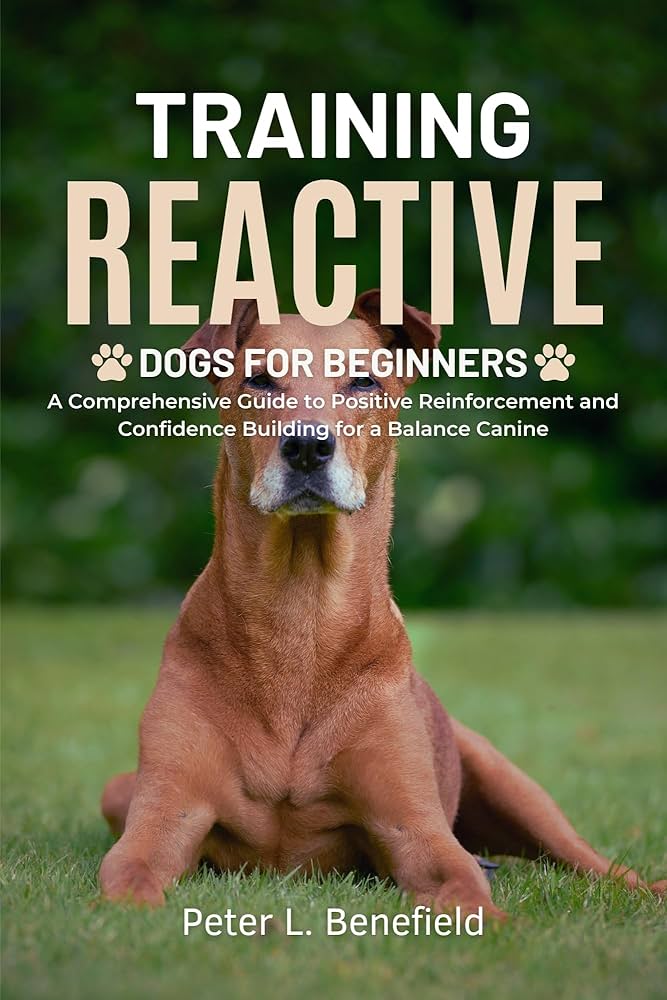
Understanding and effectively training a reactive dog is crucial for both their well-being and the peace of mind of their owners. Reactivity in dogs often stems from underlying emotions like fear, anxiety, or frustration, leading to behaviors such as barking, lunging, or growling when faced with specific triggers. It’s important to approach reactive dog training with patience, consistency, and a deep understanding of canine behavior. This guide will delve into the core principles and practical strategies for helping your reactive dog feel more secure and less overwhelmed by their environment.
Understanding Dog Reactivity: What’s Going On?
Dog reactivity isn’t about a dog being “bad” or “naughty.” It’s a response to something in their environment that they perceive as a threat or an overwhelming stimulus. Common triggers include other dogs, strangers, loud noises, cars, or even specific objects. The dog’s reaction is their way of trying to create distance or make the “threat” go away. For instance, a dog might bark and lunge at another dog because they feel scared and want the other dog to stay away. This is often a defensive mechanism, not aggression for aggression’s sake.
The Science Behind Reactivity
At its core, reactivity is an amplified emotional response. When a reactive dog encounters a trigger, their sympathetic nervous system kicks into high gear, preparing them for “fight or flight.” This can manifest as a sudden surge of adrenaline, leading to the outward display of reactivity. It’s vital for owners to recognize that once a dog is in this heightened state, they are often beyond the reach of reasoned training. Therefore, management and prevention are key in the initial stages of training.
Identifying Your Dog’s Triggers
The first step in any effective training program is to pinpoint exactly what sets your dog off. Keep a log of when your dog exhibits reactive behaviors. Note the environment, the distance to the trigger, what the trigger was, and your dog’s specific reaction. This detailed information will be invaluable in creating a tailored training plan. For example, does your dog react only to dogs on leash, or also off-leash? Are they more reactive in busy urban environments than in quiet rural settings? Understanding these nuances is crucial for addressing how to train a reactive dog on leash.
Management Strategies: Keeping Your Dog Safe and Calm
Before you even start formal training, implementing effective management strategies is essential. This prevents your dog from practicing their reactive behaviors, which can reinforce the habit. Management is about preventing the situation where reactivity occurs.
Environmental Management
Modify your dog’s environment to reduce exposure to triggers. This might mean:
- Adjusting walk times: Opt for quieter times of day when fewer dogs or people are out.
- Avoiding trigger-heavy areas: Steer clear of popular dog parks or busy sidewalks during peak hours.
- Creating a safe space at home: Ensure your dog has a den-like area where they can retreat and feel secure, especially if they are reactive to visitors.
Prevention Techniques
- Visual barriers: Use baby gates, screens, or even strategically placed furniture to block your dog’s view of triggers through windows or fences.
- “In Case of Emergency” plan: Have a plan for what to do if you encounter an unexpected trigger. This might involve quickly turning around, stepping behind a car, or tossing high-value treats to redirect your dog’s attention.
Positive Reinforcement Training for Reactive Dogs
The cornerstone of training a reactive dog is positive reinforcement. This means rewarding desired behaviors, making the learning process enjoyable and building a strong, trusting relationship with your dog. Harsh corrections or punishment can actually exacerbate reactivity, as it can increase fear and anxiety.
Desensitization and Counter-Conditioning (DSCC)
This is the most effective technique for changing your dog’s emotional response to triggers.
- Desensitization: Gradually exposing your dog to their trigger at a distance or intensity where they do not react. The goal is to be “under threshold” – meaning your dog is aware of the trigger but not distressed by it.
- Counter-Conditioning: Pairing the presence of the trigger with something highly positive, like delicious treats or a favorite toy.
Here’s how it works in practice:
- Find the threshold: Determine the distance at which your dog can see or hear a trigger without reacting. This might be across the street, or even further.
- Pair trigger with reward: As soon as your dog notices the trigger (e.g., another dog at a distance), start feeding them tiny, high-value treats.
- Trigger disappears, treats stop: When the trigger is no longer visible or audible, the treats stop.
- Repeat: Practice this consistently in short, controlled sessions. Over time, your dog will begin to associate the presence of the trigger with good things, gradually changing their emotional response from fear or anxiety to positive anticipation.
Building a Strong Foundation: Obedience Skills
Basic obedience commands are not just for good manners; they are communication tools that can help manage reactivity. Commands like “sit,” “stay,” “come,” and “leave it” can be invaluable in redirecting your dog’s attention and regaining control when they start to become over-aroused.
- “Look at Me” / “Watch Me”: This command teaches your dog to make eye contact with you. It’s an excellent tool for redirecting attention away from a trigger. Start practicing this in a quiet environment, rewarding your dog generously for looking at you. Gradually increase distractions.
- “Leave It”: Crucial for preventing your dog from fixating on or approaching triggers. This command teaches them to disengage from something they are interested in.
Advanced Training Techniques and Considerations
As your dog progresses, you can start to incorporate more advanced techniques. However, always proceed with caution and ensure your dog remains comfortable.
Generalization of Skills
A common pitfall is that dogs often struggle to generalize learned behaviors to new environments. A dog that is perfectly calm in your living room might still react on a busy street. Therefore, it’s essential to practice obedience commands and DSCC in a variety of settings, gradually increasing the level of distraction. This is where options like dog training classes for reactive dogs can be beneficial, as they offer controlled exposure to various stimuli under the guidance of professionals.
Addressing Specific Behaviors
- Leash Reactivity: This is incredibly common. The tension on the leash can exacerbate a dog’s anxiety, making them feel trapped. Using a front-clip harness or a head halter can provide better control, but the underlying emotional response must be addressed through DSCC. Finding the best reactive dog training methods is key here.
- Threshold Management: Always aim to keep your dog below their reactivity threshold. If they react, you’ve pushed them too far. Learn to recognize the subtle signs of arousal before a full-blown reaction occurs (e.g., stiffening, whale eye, lip licking).
When to Seek Professional Help
There is no shame in enlisting the help of a qualified professional. A certified professional dog trainer (CPDT-KA, KSA) or a veterinary behaviorist can provide personalized guidance, identify underlying issues, and create a specialized training plan. For owners struggling with severe reactivity, board and train reactive dogs programs can offer intensive, structured support. Similarly, if you are in the Columbus, Ohio area, resources like reactive dog training columbus ohio can connect you with local experts.
The Journey of Training a Reactive Dog
Training a reactive dog is a marathon, not a sprint. There will be good days and challenging days. Celebrate small victories and be patient with your dog and yourself. The goal isn’t necessarily to have a dog who can cheerfully greet every stranger and dog they meet, but rather to have a dog who feels safe, secure, and can navigate the world without overwhelming anxiety.
Building Trust and Communication
The process of training a reactive dog inherently strengthens the bond between you and your pet. By learning to read your dog’s body language, understand their triggers, and respond with empathy and positive reinforcement, you build a deeper level of trust and communication. This journey is about understanding your dog’s unique needs and helping them live a happier, more balanced life.
Long-Term Success
Consistent practice, ongoing management, and a commitment to positive methods are key to long-term success. Remember that even after significant progress, a reactive dog may always need some level of management around specific triggers. The ultimate aim is to equip your dog with the coping skills and confidence to handle their world more effectively, transforming their story from one of reactivity to one of resilience and well-being.
