
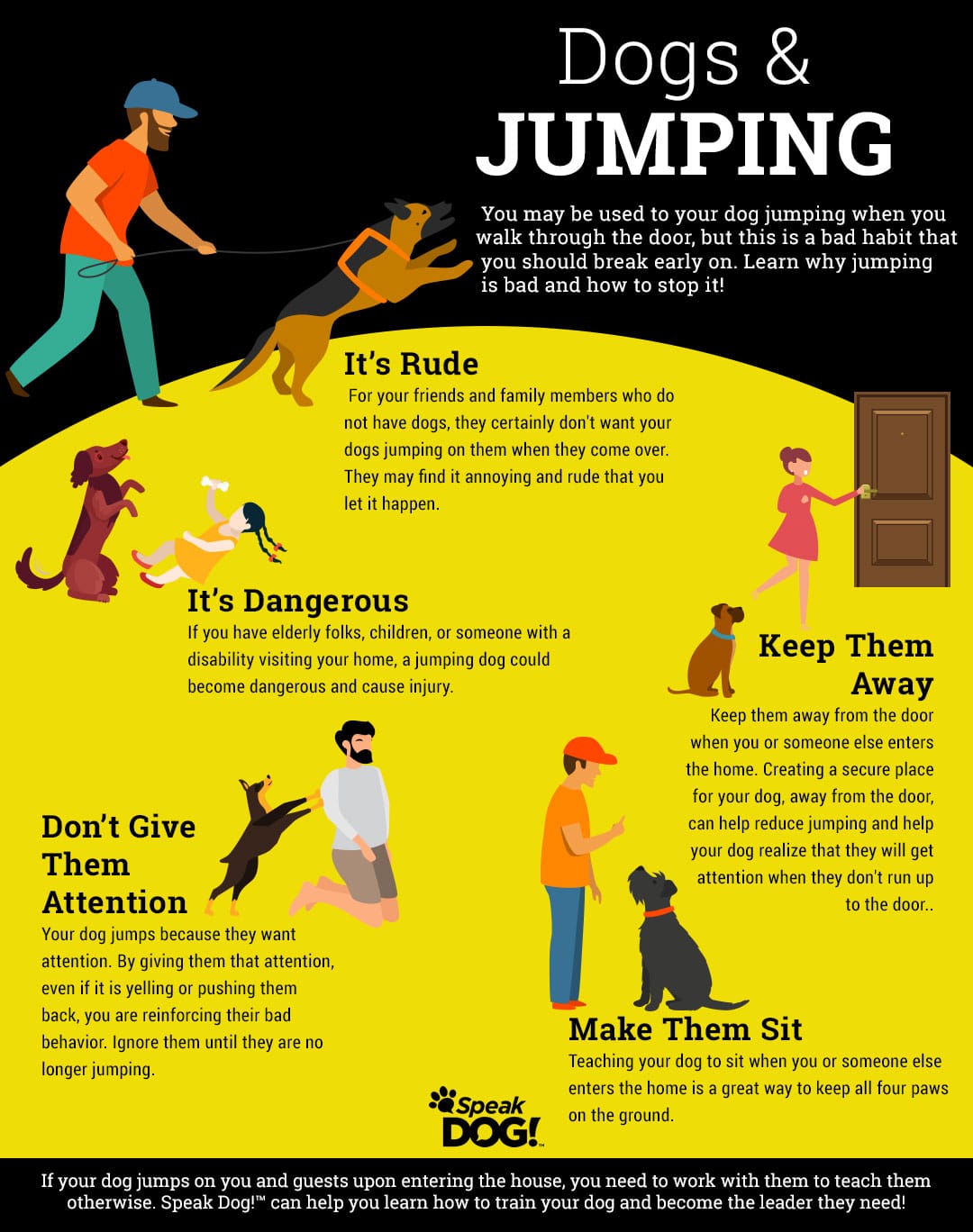
Jumping is a common behavior in dogs, often stemming from excitement or a desire for attention. While it might seem endearing in a puppy, it can become problematic as they grow. This guide will help you understand why dogs jump and provide effective methods to curb this behavior, ensuring your dog’s interactions with people are polite and safe.
Dogs jump for various reasons, including enthusiastic greetings, seeking attention, or simply because they haven’t learned alternative behaviors. Unlike humans, who are upright, dogs often jump to greet each other at nose level. However, when they jump on humans, who stand taller, it can be overwhelming or even lead to falls, especially for children or the elderly. Teaching your dog a polite way to greet people is crucial for their overall good behavior and your peace of mind.
Understanding Dog Jumping Behavior
It’s essential to recognize that dogs don’t jump to be disobedient; they are often expressing excitement or seeking connection. As trainers, we often focus on stopping unwanted behaviors without adequately teaching the desired ones. This is a common pitfall that leads to many dog behavior issues, including persistent jumping. We mistakenly assume dogs will automatically know not to jump, but they need clear guidance. By rewarding desired behaviors, such as sitting or making eye contact, you can communicate what you want from your dog effectively.
Rewarding Desired Behaviors: The Power of “Celebrating”
“Celebrating” your dog’s good behavior is a simple yet powerful technique. When your dog offers a polite greeting, sits, comes when called, or lies down, acknowledge and reward them. This positive reinforcement helps them understand which actions lead to pleasant outcomes. For a dog that jumps, consistently rewarding them for sitting or remaining calm when people approach can redirect their energy and teach them better manners. While it requires conscious effort initially, the rewards of a well-behaved dog are well worth the consistency.
Alternative Forms of Exercise and Enrichment
High-energy dogs, like the German Shepherd/Border Collie mix Moody in our case study, often exhibit jumping due to pent-up energy. Providing sufficient physical and mental stimulation is key to managing their exuberance. Incorporate puzzle feeders, snuffle mats, and scent games into their routine. Hiding treats in boxes or paper towel rolls can also provide an outlet for their natural foraging instincts. A well-exercised dog is more likely to be a well-behaved dog, and setting them up for success is paramount when addressing issues like jumping.
Implementing a Plan to Stop Jumping
Stopping a dog from jumping requires a clear plan and consistent execution. The most effective approach is to teach your dog the behavior you do want, rather than solely focusing on stopping the jumping. Teaching your dog “greeting manners” by rewarding them for offering an incompatible behavior, such as sitting, when meeting people is a great starting point.
Consider an exercise where you chain multiple cues to teach your dog an alternative behavior when meeting new people. For instance, you can teach your dog to target your hand with their nose, then transition into a sit. This provides them with a clear action to perform instead of jumping.
This technique is particularly effective when practiced consistently, even when no guests are present. Practicing these exercises upon entering your home can help reinforce the desired behavior in a familiar context. Remember that changing established habits takes time, often several months, so be patient and persistent.
Practical Steps for Training
- Hand Targeting: Practice hand targeting exercises every time you enter your home. Aim for 5-10 repetitions each time. This repetition helps Moody practice the new desired behavior in the environment where she typically jumps.
- Consistency is Key: Habits take time to form and change. Be prepared to practice these exercises multiple times daily for a few months to solidify the new, non-jumping behavior.
- Involve Cooperative Guests: After a week of practicing without guests, invite a friend who understands the training process and can follow directions to help. Choosing cooperative individuals is crucial when working on stopping jumping behavior with visitors.
- Reinforce with Positive Interactions: Reward your dog with praise and attention when they greet guests calmly and politely. This reinforces the positive behavior and encourages them to repeat it.
Conclusion: Building a Well-Behaved Companion
Training your dog to stop jumping on people is achievable with patience, consistency, and the right approach. By understanding the root causes of jumping, consistently rewarding desired behaviors, providing adequate exercise, and implementing specific training techniques, you can foster a polite and well-mannered canine companion. Remember that building a strong bond with your dog through positive training methods not only addresses behavioral issues but also strengthens your relationship.
If you’re looking for expert guidance to help your dog overcome jumping or other behavioral challenges, consider reaching out to a professional dog trainer. Teach a dog to stop pulling on leash is another common training goal that requires similar dedication and positive reinforcement strategies.
