
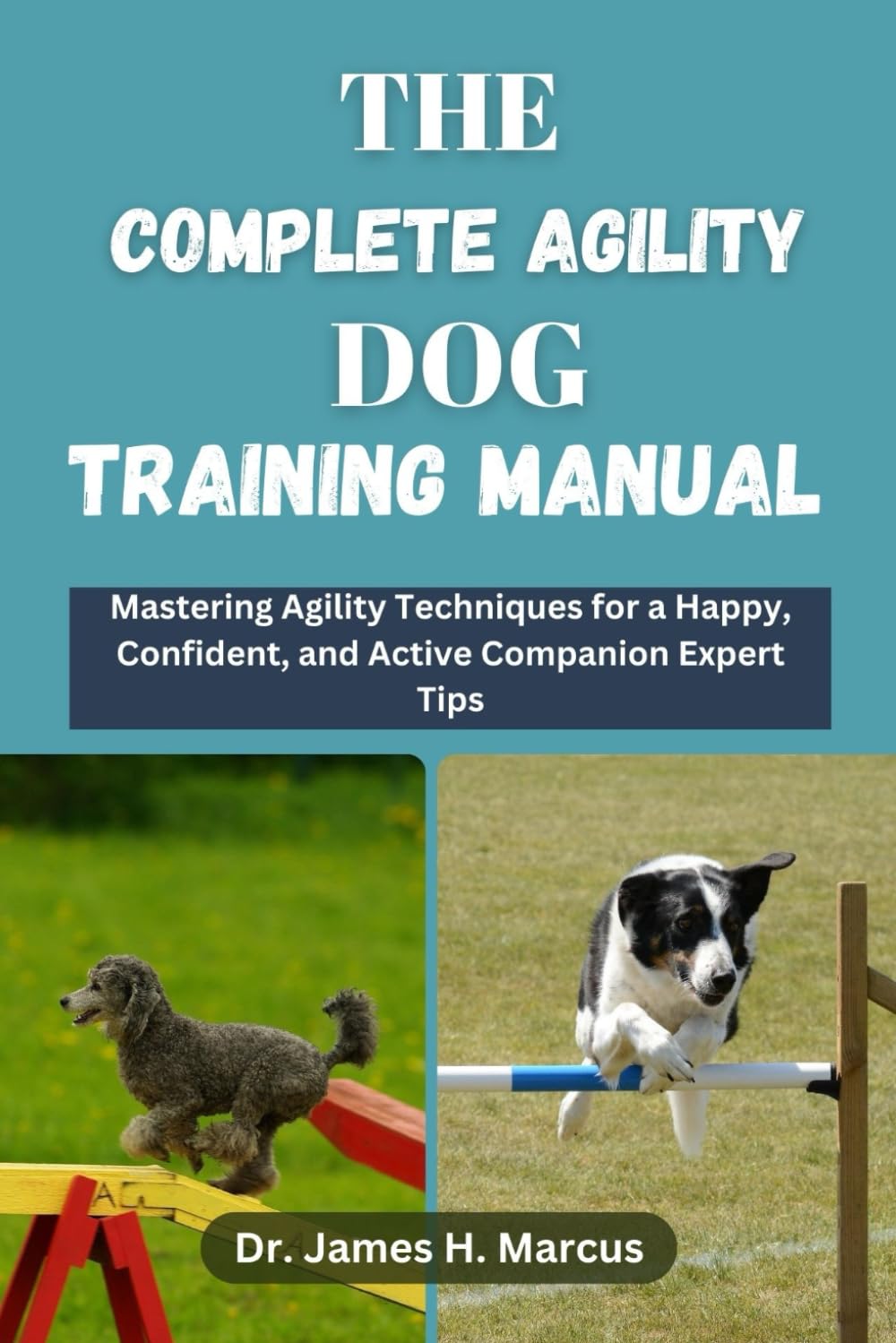
Welcome to the exciting world of dog agility training! If you’re looking to build an even stronger bond with your canine companion while engaging in a fun, challenging, and rewarding activity, you’ve come to the right place. Dog agility is a sport where handlers direct their dogs through an obstacle course, testing their speed, accuracy, and teamwork. It’s not just about racing through hoops and tunnels; it’s a fantastic way to improve your dog’s physical fitness, mental stimulation, and overall obedience. Whether you’re a seasoned dog owner or new to the pet world, this guide will walk you through the essentials of How To Train A Dog For Agility, from the very basics to more advanced techniques.
The journey of teaching your dog agility is as much about the process as it is about the outcome. It requires patience, consistency, and a deep understanding of your dog’s capabilities and personality. By engaging in this sport, you’re not only enhancing your dog’s natural abilities but also fostering a level of trust and communication that’s unparalleled. Let’s dive into the foundational steps and key principles that will set you and your dog up for success on the agility course.
Understanding the Basics of Dog Agility
Before you even start thinking about the obstacles, it’s crucial to have a solid foundation in basic obedience. Your dog should reliably respond to commands like “sit,” “stay,” “come,” and “down.” This obedience is the bedrock upon which all agility training is built. A dog that understands and respects these commands will be far more receptive to learning the complex sequences of an agility course.
Why Dog Agility Training?
The benefits of engaging in dog agility training extend far beyond the agility course itself. It’s a powerful tool for enhancing a dog’s confidence and self-esteem. As dogs master new skills and overcome challenges, they develop a stronger sense of accomplishment. This increased confidence can translate into better behavior in everyday situations. Furthermore, the physical demands of agility help maintain a healthy weight, improve cardiovascular health, and build strong muscles, reducing the risk of injuries later in life. For handlers, agility training offers a unique opportunity to deepen their connection with their dog, fostering a partnership built on clear communication and mutual respect.
Essential Equipment for Agility Training
While you can start with simple homemade obstacles, dedicated agility equipment can enhance the training experience. Key pieces often include:
- Jumps: Adjustable bars that dogs leap over.
- Tunnels: Collapsible fabric tunnels dogs run through.
- Weave Poles: A series of upright poles dogs weave through.
- A-Frame: A large ramp shaped like an ‘A’ that dogs climb.
- Dog Walk: A ramp that dogs walk across.
- Teeter-totter (See-Saw): A plank that pivots in the middle.
When starting out, especially if you’re looking for dog agility training tools, it’s often best to begin with fewer obstacles and gradually introduce more as your dog gains proficiency. Safety is paramount; ensure all equipment is sturdy, stable, and appropriately sized for your dog.
Getting Started: The First Steps in Training
The initial phase of agility training focuses on introducing your dog to the concept of working with you in a new environment and familiarizing them with individual obstacles. This stage is all about positive reinforcement and making the experience fun.
Building a Strong Foundation: Obedience First
As mentioned, basic obedience is non-negotiable. Commands like “heel,” “stay,” and “come” are fundamental. You need your dog to focus on you and respond promptly, even with distractions. If your dog struggles with these basics, it’s worth investing more time in obedience training before diving into agility. A well-behaved dog is a safe and happy agility partner.
Introducing Individual Obstacles
Start by introducing one obstacle at a time. For jumps, begin with the bar on the ground, luring your dog to walk over it. Gradually raise the bar a few inches at a time, always rewarding your dog for successful attempts. For tunnels, start with a short, straight tunnel and use treats or toys to encourage your dog to go through. Keep initial sessions short and engaging, ending on a positive note. The goal is to build confidence and associate each obstacle with positive experiences.
The Power of Positive Reinforcement
Positive reinforcement is the cornerstone of successful dog training, especially in agility. This means rewarding desired behaviors with treats, praise, or toys. When your dog successfully navigates an obstacle or responds to a command, shower them with positive attention. Avoid punishment, as it can lead to fear and anxiety, which are detrimental to agility training. The aim is to make training a game your dog genuinely enjoys.
Advanced Training Techniques and Strategies
Once your dog is comfortable with individual obstacles and basic obedience, you can start stringing them together and introducing more complex maneuvers. This is where the real partnership and communication between handler and dog begin to shine.
Sequencing Obstacles
The true challenge of agility lies in navigating a course of multiple obstacles in a specific order. Begin by linking just two or three obstacles together. For example, a jump followed by a tunnel. Use verbal cues and body language to guide your dog from one obstacle to the next. As your dog gets better, gradually increase the number of obstacles in the sequence. Always ensure your cues are clear and consistent.
Handling Techniques
Effective handling is crucial in agility. This involves using your body to guide your dog through the course. Common techniques include:
- Front Cross: A maneuver where the handler crosses in front of the dog to change the dog’s direction.
- Rear Cross: The handler moves behind the dog to direct them.
- Serpentine: Guiding the dog through a series of obstacles that require changes in direction.
Mastering these techniques takes practice and a keen understanding of your dog’s stride and turning radius. Remember to maintain eye contact with your dog as much as possible.
Weave Pole Mastery
Weave poles are often considered one of the most challenging obstacles. There are several methods for teaching them, including the “channel method” and the “2×2 method.” The key is to start with a wide channel or spaced poles and gradually narrow the distance as your dog learns to weave correctly. Always encourage forward motion and reward successful weaves.
Common Challenges and Solutions
- Hesitation at obstacles: This often stems from fear or confusion. Go back to basics, make the obstacle less intimidating, and use more positive reinforcement.
- Running out of the ring: Ensure your dog understands the boundaries and the importance of staying on course. Practice “stay” commands.
- Missing poles in weave: This indicates a need for more practice with individual weave poles, focusing on the dog’s body position and stride.
If you’re in an area and looking for specific guidance, searching for “dog agility training denver” or “agility training dogs near me” can help you find local classes and experienced trainers.
Ensuring Your Dog’s Health and Well-being
Agility training is physically demanding, so prioritizing your dog’s health and safety is paramount. This means ensuring they are in good physical condition and receiving proper nutrition.
Warm-up and Cool-down Routines
Just like human athletes, dogs need to warm up before strenuous activity and cool down afterward. A good warm-up might include a brisk walk and some gentle stretches, preparing their muscles for exertion. A cool-down could involve a slower walk to help their heart rate return to normal. This routine helps prevent muscle strains and other injuries.
Nutrition and Hydration
A well-balanced diet is crucial for an agile dog. They need adequate protein for muscle development and energy. Consult with your veterinarian about the best nutrition plan for your dog’s age, breed, and activity level. Always ensure fresh, clean water is available, especially during and after training sessions.
When to Seek Professional Help
If you’re considering agility training, looking into local resources can be incredibly beneficial. For instance, searching for “dog agility training phoenix” can connect you with clubs, trainers, or events in that specific region. A qualified agility instructor can provide personalized guidance, help correct bad habits, and ensure you’re training safely and effectively. They can also assess if your dog is physically suited for the sport.
The Lifelong Benefits of Agility
Participating in dog agility training offers a wealth of benefits that extend throughout your dog’s life. It’s a fantastic way to keep them mentally sharp and physically fit, which can contribute to a longer, healthier life. The problem-solving required on the course provides excellent mental stimulation, warding off boredom and potential behavioral issues.
Moreover, the bond you forge through agility training is truly special. It’s a partnership built on trust, communication, and shared goals. This enhanced relationship often translates into a more harmonious life together outside of the agility ring. The confidence your dog gains from mastering challenges will be evident in their everyday interactions, making them a more well-adjusted and confident companion.
Ultimately, how to train a dog for agility is a journey of discovery for both you and your dog. It’s about celebrating small victories, learning from mistakes, and enjoying the incredible experience of working together. So, get ready to run, jump, and weave your way to a stronger bond and countless happy memories with your best friend.
