
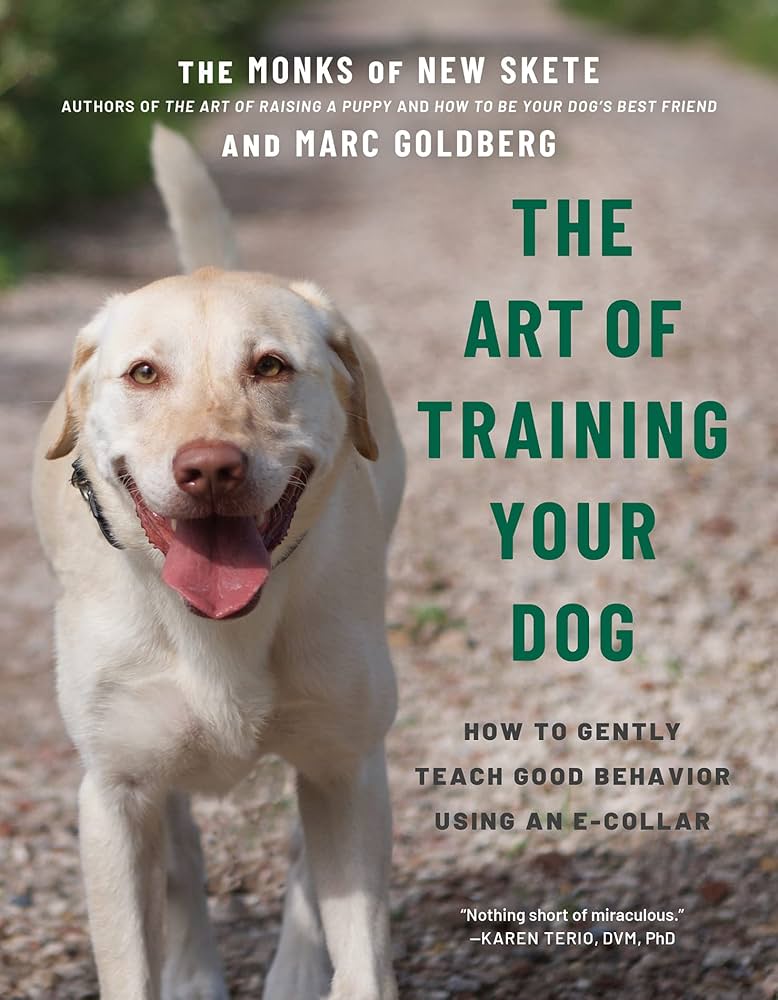
Training your dog is one of the most rewarding experiences a pet owner can have. It builds a stronger bond, ensures your dog’s safety, and makes them a more enjoyable companion. When people think about dog training, they often picture advanced tricks, but the foundation lies in mastering basic commands. These commands are not just for show; they are crucial for communication and control. Whether you’re a first-time owner or a seasoned dog lover, understanding and implementing essential dog training commands can transform your relationship with your furry friend. This guide will delve into the core commands every dog should know, why they are important, and how to teach them effectively.
The Foundation of Communication: Why Basic Commands Matter
Before diving into specific commands, it’s vital to understand why they are the bedrock of good dog ownership. Basic commands serve as a shared language between you and your dog, allowing for clear communication and preventing misunderstandings. A well-trained dog is a safer dog. Commands like “stay” and “come” can be life-saving in dangerous situations, preventing them from running into traffic or getting lost. Furthermore, consistent training fosters a sense of structure and predictability for your dog, which can reduce anxiety and behavioral problems. It’s also a fantastic way to provide mental stimulation, keeping your dog engaged and preventing boredom-related destructive behaviors. Ultimately, training is an investment in a harmonious life together.
Essential Dog Training Commands: Building Blocks for a Well-Behavilled Canine
There are several fundamental commands that form the backbone of a well-behaved dog. These are the commands you’ll rely on daily, and mastering them will open the door to teaching more complex behaviors later on.
1. “Sit” – The Gateway Command
“Sit” is often the very first command taught to puppies and dogs, and for good reason. It’s relatively easy to teach and has numerous practical applications. A dog that can sit reliably is often calmer and more receptive to further instruction.
How to Teach “Sit”:
- Get your dog’s attention: Hold a small, high-value treat near your dog’s nose.
- Lure the sit: Move the treat upwards and slightly back over your dog’s head. As their nose follows the treat, their rear end should naturally lower into a sit position.
- Mark and reward: The moment their rear touches the ground, say “Yes!” or use a clicker, and give them the treat.
- Add the verbal cue: Once your dog is reliably sitting with the lure, start saying the word “Sit” just as you begin the luring motion.
- Fade the lure: Gradually make the hand motion smaller and eventually eliminate it, relying solely on the verbal cue.
Variations and Tips:
- Practice in short, frequent sessions.
- Ensure you’re using treats your dog genuinely loves.
- Don’t push your dog’s rear down; let them figure it out with the lure.
2. “Stay” – Mastering Patience
The “stay” command teaches impulse control and patience. It’s essential for safety, preventing your dog from rushing through doorways or approaching strangers without your permission.
How to Teach “Stay”:
- Start with “Sit”: Ask your dog to sit.
- Give the cue: Hold your hand up in a “stop” gesture towards your dog and say “Stay.”
- Short duration: Take just one step back, then immediately return to your dog. If they stayed, praise and reward them.
- Gradually increase distance and duration: Slowly increase the number of steps you take away and the time you wait before returning.
- The release cue: Always use a release word like “Okay!” or “Free!” to signal that the stay is over. This is crucial so they don’t break the stay on their own.
Common Mistakes:
- Returning to your dog and then releasing them. Always return to your dog before releasing.
- Increasing distance or duration too quickly, leading to failure.
- Not using a clear release cue.
3. “Come” or “Recall” – The Most Important Command for Safety
The recall command is arguably the most critical command for your dog’s safety. A reliable recall ensures your dog will return to you when called, no matter the distraction.
How to Teach “Come”:
- Make it a party: Start in a safe, enclosed area. Get excited and call your dog’s name followed by “Come!”
- Reward enthusiastically: When they run to you, offer lavish praise, their favorite treats, or a beloved toy. Make coming to you the best thing ever.
- Use a long line: As you progress to more open areas, use a long leash to prevent them from running off if they don’t respond.
- Never punish: Never call your dog to come to you for something unpleasant, like a bath or a nail trim, as this will teach them to be wary of the command.
Tips for Success:
- Practice recall in various environments.
- Use a higher-pitched, more enthusiastic tone than your everyday voice.
- If your dog is playing with another dog, calling them away can be difficult. Try to build up to this by practicing when they are less distracted.
4. “Down” – The Calming Command
The “down” command is another excellent tool for teaching your dog to relax and settle. It’s also a prerequisite for many other behaviors, like “play dead.”
How to Teach “Down”:
- Start from a sit: Ask your dog to sit.
- Lure downwards: Hold a treat near their nose and slowly lower it towards the floor between their front paws, then slightly away from them.
- Guide to the floor: As their nose follows the treat, they should naturally lower themselves into a down position.
- Mark and reward: As soon as their elbows touch the floor, say “Yes!” and give the treat.
- Add the verbal cue: Once they understand the lure, start saying “Down” as you begin the motion.
- Fade the lure: Gradually reduce the hand motion until they respond to the word alone.
Troubleshooting:
- If your dog stands up instead of lying down, you might be lowering the treat too quickly or too far away.
- Some dogs are naturally hesitant to lie down if they feel insecure. Ensure they are in a comfortable, safe environment.
5. “Leave It” – Preventing Unwanted Behaviors
“Leave it” is a crucial command for preventing your dog from picking up or ingesting things they shouldn’t, whether it’s dropped food on the street or a toxic household item.
How to Teach “Leave It”:
- The treat in hand: Hold a treat in your closed fist. Let your dog sniff and lick your hand. They will likely get frustrated.
- Reward for disengagement: The moment they pull their nose away, even for a second, say “Yes!” and give them the treat from your other hand.
- Add the cue: Once they consistently back away from your closed fist, start saying “Leave it” as they start to disengage.
- Introduce a dropped item: Place a less desirable treat on the floor and cover it with your hand. When they pull away, reward them with the better treat from your other hand.
- Progress to uncovered items: Eventually, you can present low-value items on the floor and use the “leave it” cue, rewarding them for ignoring it and coming to you for a better reward.
Important Considerations:
- This command requires patience and consistency.
- Always reward them for leaving the item alone.
6. “Drop It” – Releasing Possessions
“Drop it” is essential for teaching your dog to release items they have in their mouth, whether it’s a toy during a game of fetch or something they’ve picked up that they shouldn’t have.
How to Teach “Drop It”:
- Trade-up: When your dog has a toy they are willing to give up, offer them a high-value treat.
- Cue the release: As they open their mouth to take the treat, say “Drop it.”
- Reward: Once they release the toy for the treat, give them the treat.
- Return the toy (optional): If it’s during playtime, you can immediately offer the toy back to continue the game, reinforcing that dropping it doesn’t mean the fun ends.
- Practice with different items: Gradually introduce the command with various toys and objects.
Key to Success:
- Ensure the treat you offer is more enticing than the item they have.
- Never try to forcibly take an item from your dog’s mouth, as this can lead to resource guarding.
Beyond the Basics: Expanding Your Dog’s Repertoire
Once your dog has a solid grasp of these fundamental commands, you can begin to explore more advanced training. Teaching your dog tricks like “shake a paw,” “roll over,” or “play dead” can be incredibly fun and further strengthens your bond. If you’re interested in specific behaviors, resources on commands to teach a service dog or the easiest commands to teach your dog can provide further guidance. Remember that consistency, positive reinforcement, and patience are the keys to successful dog training, regardless of the command. Exploring different words to use for dog commands can also add variety and clarity to your training sessions.
Addressing Common Training Challenges
Even with the best intentions, you might encounter challenges. Some dogs may struggle with specific commands due to shyness, fear, or a lack of focus. For instance, if your dog has a tendency to jump on visitors, learning how to train a dog not to jump on furniture is a practical skill. Resource guarding, where a dog becomes possessive over food, toys, or even people, is another common issue that requires careful and specialized training. Understanding your dog’s individual personality and motivation is paramount. Some dogs respond best to food rewards, while others are motivated by praise, toys, or the simple joy of pleasing their owner. Identifying what drives your dog will make the training process much smoother. Always celebrate the small victories and remember that every dog learns at their own pace. Focusing on the top commands to teach your dog and mastering them one by one is a solid strategy.
The Lifelong Journey of Dog Training
Training your dog isn’t a one-time event; it’s a continuous process that evolves as your dog grows and your life together progresses. Regular practice sessions, even just for a few minutes each day, help reinforce learned behaviors and prevent skills from regressing. As your dog matures, their needs and abilities might change, requiring adjustments to your training approach. For example, an older dog might benefit from gentler, shorter sessions, while a puppy will have a much higher energy level and shorter attention span. The ultimate goal is to foster a relationship built on trust, understanding, and mutual respect. By consistently working on essential dog training commands, you are not just teaching your dog obedience; you are enriching both of your lives immeasurably. The story of your dog is a story of connection, and training is a powerful chapter in that narrative.
