
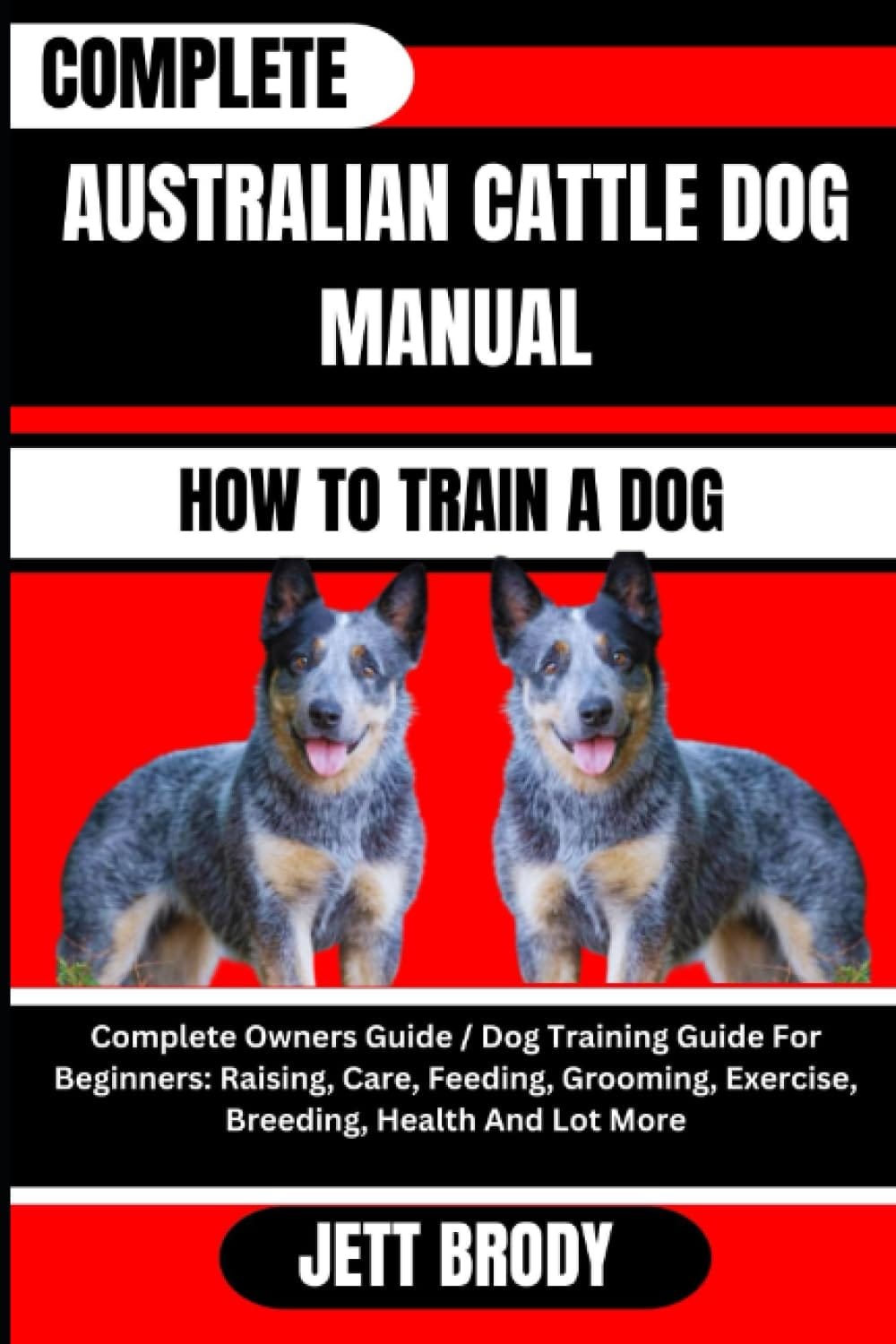
Australian Cattle Dogs, also known as Blue Heelers or Queensland Heelers, are renowned for their intelligence, energy, and loyalty. These remarkable dogs were bred for herding cattle over long distances and challenging terrains, a heritage that imbues them with incredible stamina, a strong work ethic, and a keen mind. Training a cattle dog requires understanding their unique nature and channeling their abundant energy and intelligence into positive outlets. This guide will walk you through everything you need to know to successfully train your cattle dog, fostering a well-behaved companion and building an unbreakable bond.
Understanding the cattle dog’s innate drives is the first step in effective training. They are natural herders, which means they possess a strong instinct to control movement. This can manifest as nipping at heels, especially in younger dogs or those not given enough mental and physical stimulation. They also thrive on having a job to do, making them prone to developing problem behaviors if bored or left to their own devices. Early socialization and consistent, positive reinforcement training are crucial for shaping these instincts into desirable behaviors.
Early Socialization and Foundation Training
The foundation for a well-adjusted cattle dog begins the moment you bring them home. Exposing your puppy to a wide variety of sights, sounds, people, and other well-behaved dogs during their critical socialization period (typically 3-16 weeks) is paramount. This helps them develop confidence and prevents fear-based reactivity later in life.
Begin basic obedience training as soon as possible. Start with simple commands like “sit,” “stay,” “come,” and “down.” Use positive reinforcement methods, such as treats, praise, and play, to reward desired behaviors. Keep training sessions short, fun, and engaging, as cattle dogs have a limited attention span for monotonous tasks. Consistency is key; ensure all family members are using the same commands and reward system.
When training a cattle dog, it’s vital to introduce them to leash walking early on. Start in a quiet environment and gradually progress to more stimulating areas. Reward your dog for walking calmly beside you without pulling. Remember, a cattle dog’s intelligence means they learn quickly, so a solid foundation in these basic commands will pave the way for more advanced training.
Harnessing Their Energy: Exercise and Mental Stimulation
Cattle dogs are not couch potatoes; they are high-energy working dogs that require significant physical and mental exercise to thrive. Without adequate outlets for their energy, they can become destructive, anxious, or develop behavioral issues.
Physical Exercise: Aim for at least one to two hours of vigorous exercise daily. This can include:
- Long walks or hikes: Explore different terrains to keep them engaged.
- Running: If you’re a runner, your cattle dog can be an excellent partner.
- Fetch or other energetic games: Utilize durable toys that can withstand their strong jaws.
- Swimming: Many cattle dogs enjoy swimming, which is a great low-impact exercise.
Mental Stimulation: Equally important is providing mental challenges. This keeps their sharp minds engaged and prevents boredom.
- Puzzle Toys: Food-dispensing toys and interactive puzzles can keep them occupied for hours.
- Training Sessions: Regularly practice obedience commands, introduce new tricks, or engage in agility training.
- Herding Games: If you have the space and opportunity, introduce them to herding balls or simulated herding exercises.
- Nose Work: Scent games and “find it” exercises tap into their natural scenting abilities.
For those interested in specialized training, resources like australian cattle dog training offer valuable insights into channeling their working drive.
A tired cattle dog is a good cattle dog. This adage couldn’t be truer for this intelligent and active breed. Ensuring they have sufficient physical and mental outlets is the cornerstone of managing their behavior and well-being.
Advanced Training and Behavioral Challenges
As your cattle dog matures, you can move on to more advanced training. Their intelligence makes them excellent candidates for agility, obedience trials, flyball, and even more specialized tasks. Training a cattle dog for complex activities requires patience and a clear understanding of positive reinforcement.
Common Behavioral Challenges and Solutions:
- Nipping/Mouthing: This is a natural herding instinct. Redirect the behavior by offering a chew toy or yelping as a signal that it hurts, then redirecting to an appropriate outlet. Consistency is key here, similar to how one might approach training a cattle dog for the first time.
- Excessive Barking: Identify the trigger for barking. Is it boredom, alarm, or attention-seeking? Address the root cause, whether it’s more exercise, desensitization to triggers, or ignoring attention-seeking barks.
- Destructive Behavior: This is almost always a sign of insufficient exercise or mental stimulation, or separation anxiety. Ensure your dog is getting enough activity and consider puzzle toys or crate training if they are prone to chewing when left alone.
- Herding People/Objects: If your dog attempts to herd children, other pets, or even vehicles, redirect this instinct. Teach them a “leave it” command and provide appropriate outlets for their herding drive, such as herding balls.
If you are struggling with specific behavioral issues, consulting resources on sophia yin dog training can provide science-based strategies for understanding and modifying dog behavior.
Health and Nutrition for Your Cattle Dog
A healthy dog is a happy dog, and proper nutrition plays a vital role in your cattle dog’s overall health and energy levels. Choose a high-quality dog food appropriate for their age, size, and activity level. Consult with your veterinarian to determine the best diet for your specific dog.
Regular veterinary check-ups are essential for preventative care. Cattle dogs can be prone to certain health issues, including hip dysplasia, progressive retinal atrophy (PRA), and deafness. Early detection and management can significantly improve their quality of life.
Maintaining a healthy weight is also crucial. Overfeeding can lead to obesity, which exacerbates joint problems and other health concerns. Monitor their food intake and ensure they are getting enough exercise to maintain a lean physique.
The Bond: More Than Just Training
Training your cattle dog is not just about teaching commands; it’s about building a strong, trusting relationship. Cattle dogs are incredibly loyal and form deep bonds with their families. By investing time and effort into consistent, positive training, you are not only shaping their behavior but also strengthening your connection.
Their intelligence means they are highly responsive to clear communication and consistent leadership. They thrive in an environment where they understand the rules and know what is expected of them. This clarity, combined with ample opportunities for them to use their minds and bodies, will result in a well-behaved, happy, and devoted companion.
For those seeking a truly exceptional canine partner, consider the benefits of well-trained dogs. Resources on trained security dogs for sale might seem unrelated, but they highlight the potential of a well-trained dog, a potential that a cattle dog, with the right guidance, can certainly achieve in various roles.
Frequently Asked Questions About Training Cattle Dogs
Q1: How long does it take to train a cattle dog?
A1: While cattle dogs are intelligent and learn quickly, consistent training is ongoing throughout their lives. Basic obedience can be established within a few months, but advanced training and refinement of behavior require continuous effort and positive reinforcement.
Q2: What are the easiest dogs to potty train? Are cattle dogs difficult?
A2: Generally, cattle dogs are quite trainable, and potty training is usually straightforward with consistency. However, as with any breed, individual personalities and owner consistency play a significant role. For more insights, you might explore what are the easiest dogs to potty train to compare general training timelines.
Q3: Can a cattle dog be a good family pet?
A3: Absolutely. With proper socialization, training, and sufficient exercise, cattle dogs are incredibly loyal and devoted family members. They are particularly good with children if raised alongside them and taught how to interact appropriately.
Q4: How much exercise does a cattle dog puppy need?
A4: Cattle dog puppies need exercise, but it should be age-appropriate to avoid overworking developing joints. Short, frequent play sessions and walks are better than long, strenuous activities until they are fully grown. Mental stimulation is also crucial for puppies.
Q5: Should I use harsh training methods with a cattle dog?
A5: No. Cattle dogs are sensitive and intelligent. Positive reinforcement methods, focusing on rewards and clear communication, are far more effective and build a stronger bond than punishment-based training.
In conclusion, training a cattle dog is a rewarding journey that requires dedication, understanding, and a commitment to positive methods. By providing ample exercise, mental stimulation, consistent training, and a loving environment, you’ll cultivate a loyal, intelligent, and capable companion for years to come. Embrace the challenge, and you’ll discover the unparalleled joy of sharing your life with a well-trained Australian Cattle Dog.
