
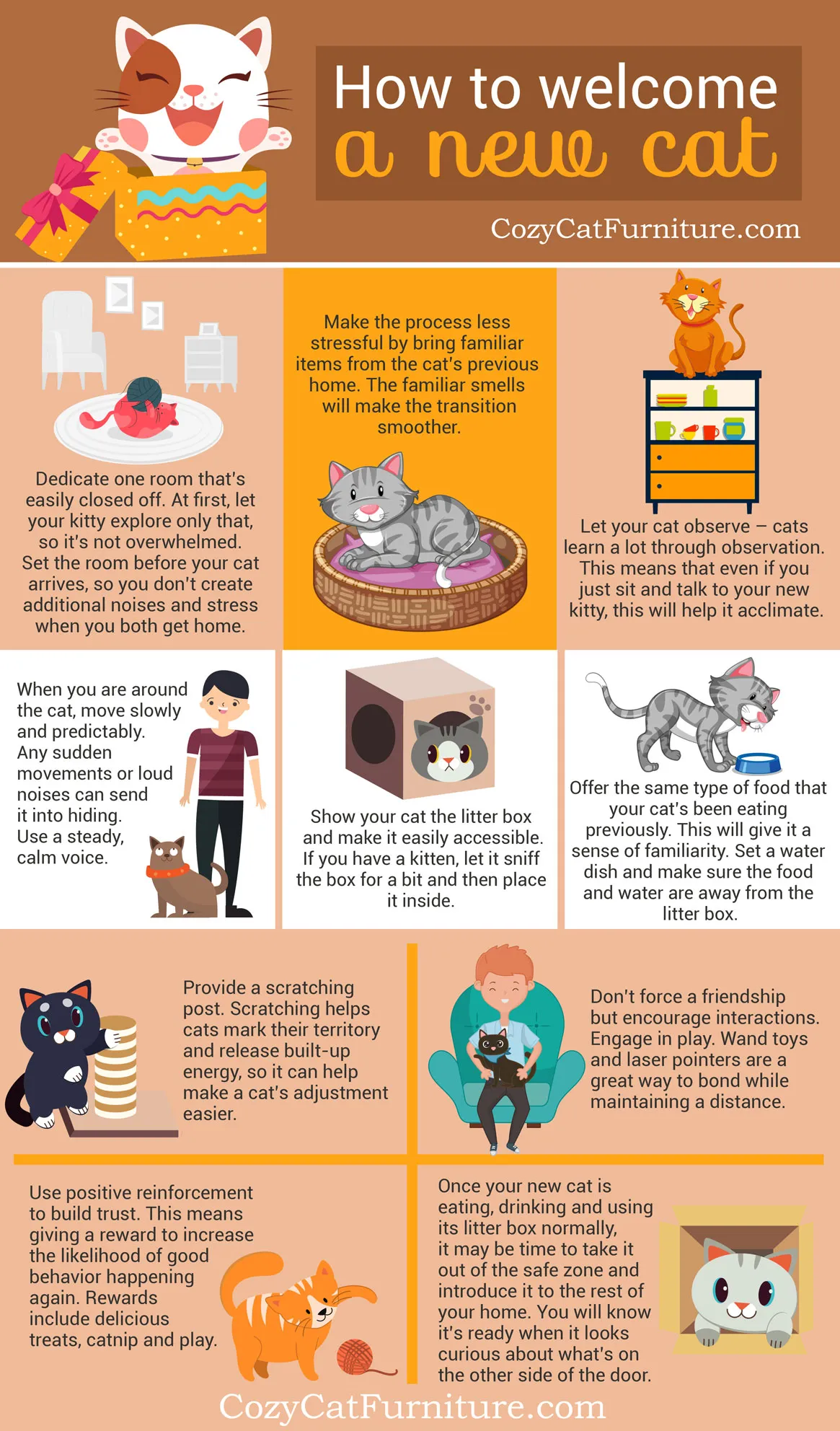
Bringing a cat into your home is a joyful experience, and for some, the idea of allowing their feline companion to explore the outdoors safely is appealing. However, transitioning a cat to an indoor/outdoor lifestyle requires patience, a structured approach, and a focus on the cat’s well-being. This process should not be rushed, as it can take anywhere from two weeks to over a month, depending on the individual cat’s temperament and adaptability. The key is to create a positive and secure experience, ensuring your cat feels confident and safe both inside and outside the home.
A crucial first step is ensuring your cat is fully acclimated to its indoor environment and has bonded with its human family. This includes establishing a sense of security and routine within the home. Once your cat is comfortable and relaxed indoors, they will be better equipped to handle the new experiences and potential challenges of outdoor exploration. Implementing a gradual transition plan is essential for minimizing stress and maximizing the chances of a successful outcome.
Here’s a step-by-step guide to help you safely transition your cat to an indoor/outdoor lifestyle:
Establishing Indoor Feeding Routines
Consistency in feeding is paramount when introducing an indoor/outdoor lifestyle. It’s vital to feed your cat indoors and on a regular schedule. Feeding your cat outdoors can inadvertently attract unwanted wildlife and other cats to your territory, potentially leading to conflict or territorial disputes. Furthermore, outdoor feeding might diminish your cat’s motivation to return inside. By establishing a consistent indoor feeding routine, you create a strong incentive for your cat to come home, reinforcing the indoor environment as their primary base and ensuring they are fed in a safe, controlled setting. This practice helps train your cat to associate coming inside with mealtime, a powerful motivator for a successful indoor/outdoor routine.
Gradual Introduction to the Outdoors
The initial outdoor excursions should be brief and closely supervised. Start with slow increments of time outside, only 10 minutes at first, then bring them inside. During these short periods, allow your cat to acclimate to the new sensory experiences – the unfamiliar smells, sounds, and sights of their outdoor world. It’s essential to remain present and observant during these initial outings. Spend quality time with your cat in the yard, helping them become familiar with their immediate surroundings. Do NOT let your cat out unsupervised initially. Gradually increase the duration of supervised outdoor time as your cat shows signs of comfort and confidence.
To further encourage a positive association with returning indoors, offer your cat a highly desirable treat immediately after they come back inside. The more appealing the treat, the stronger the instinct will become to return home when called. Accompany this with a happy, encouraging voice, perhaps saying something like, “It’s time to eat,” so that your cat begins to associate your call with a rewarding experience and mealtime. This positive reinforcement is key to building a reliable return behavior.
Creating a Consistent Routine
Establishing a predictable routine is fundamental to your cat’s sense of security and helps manage their indoor/outdoor activity. Make a routine: let them outside at the same time every day and bring them in at the same time every night. Do not let your cat stay outside at night, as this significantly increases their risk of encountering dangers such as predators, traffic, or extreme weather. Letting your cat out before their scheduled feeding time encourages them to return home, as they will anticipate their meal. Maintaining consistent meal times helps regulate their internal clock, reinforcing the importance of returning indoors for food. This consistency will help ensure your cat is safely indoors every night, alleviating any worry about their whereabouts.
Additional Safety and Health Considerations
Ensuring your cat’s safety and health is paramount. It is essential that your cat wears a collar with an ID tag, or preferably, is microchipped. A microchip provides a permanent form of identification should the collar be lost. Consider using a specific door for your cat’s outdoor access, ideally one that is not too close to a busy road or a neighbor’s property, and perhaps has windows so you can easily see your cat waiting to come in. Coordinate outdoor times so that your cat and any household dogs are not entering or exiting simultaneously, preventing potential chases or conflicts.
It’s also wise to introduce your cat to your neighbors. This way, they are aware the cat belongs to you and can contact you if they have any concerns. Regular veterinary check-ups are non-negotiable for indoor/outdoor cats. Ensure you adhere to a consistent deworming and flea/tick prevention schedule as recommended by your veterinarian. Avoid letting your cat out during extreme weather conditions, whether hot or cold. For cats that are not declawed, they will have a significantly better ability to defend themselves outdoors. Therefore, we recommend that you choose a cat that is not declawed for indoor/ outdoor living.
Other Things to Consider
When allowing your cat outdoor access, be aware of the potential risks:
- Safety concerns: Dogs, urban wildlife, and other cats can pose threats. Cars on roads are a significant danger. Exposure to poisons and toxins like antifreeze or pesticides is also a risk. Sadly, some people can be cruel to animals they find in their yards.
- Health concerns: Indoor/outdoor cats are more susceptible to diseases such as Feline Leukemia (FeLV) and Feline Immunodeficiency Virus (FIV). They are also at higher risk for parasites like fleas, ticks, intestinal worms, and heartworm. It is crucial to consult your veterinarian and inform them that your cat has an indoor/outdoor lifestyle so they can advise on the best preventative care.
Necessary Vaccines and Preventatives
Your veterinarian will recommend a vaccination and preventative care schedule tailored to your cat’s lifestyle. This typically includes:
- Feline Leukemia vaccine
- Rabies vaccine
- FVRCP (Feline Viral Rhinotracheitis, Calicivirus, Panleukopenia)
- Heartworm preventative
By following these guidelines, you can help ensure your cat enjoys the benefits of outdoor exploration while remaining safe and healthy.
