
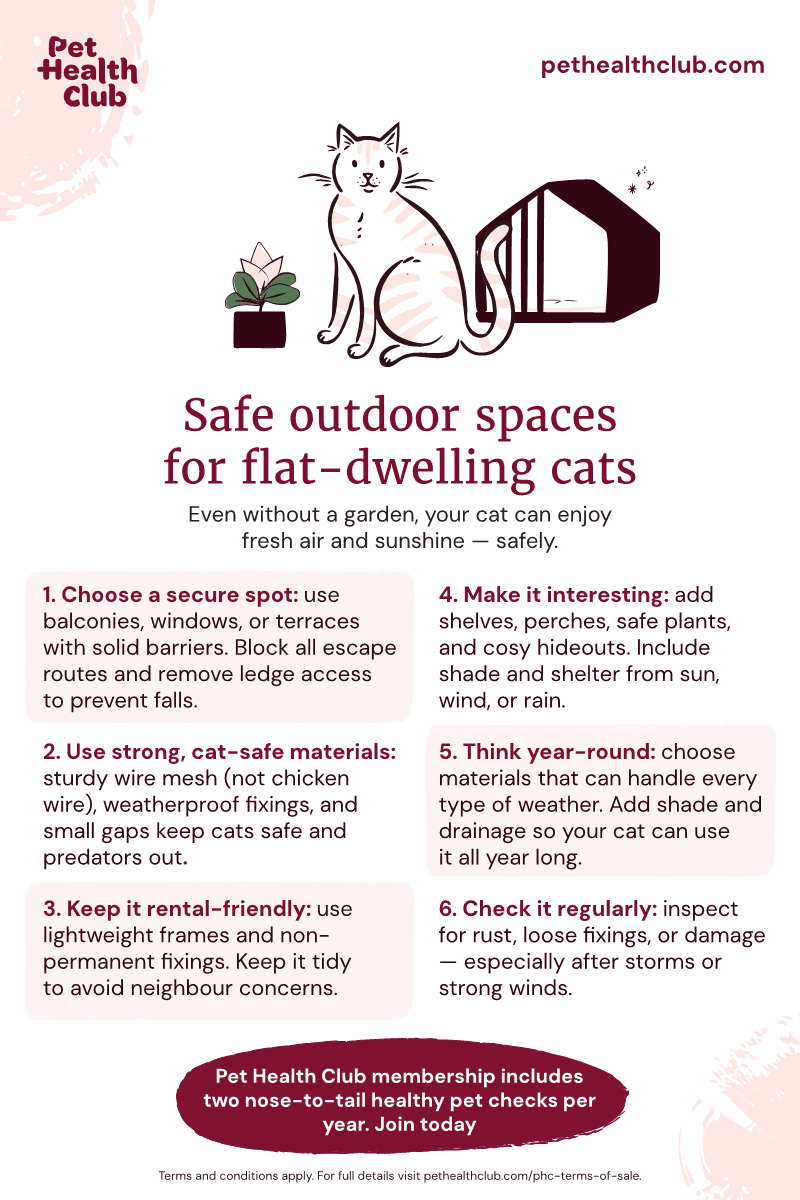
Giving your feline companion the freedom to explore the outdoors can be a rewarding experience, but it requires a gradual and mindful approach. Transitioning your cat to an indoor/outdoor lifestyle is a process that should be tailored to each individual cat’s personality and comfort level, potentially taking anywhere from two weeks to over a month. The key to success lies in ensuring your cat feels secure and confident in their indoor environment before introducing them to the outside world. A well-adjusted indoor cat will be more likely to adapt positively to a new routine that includes outdoor exploration.
Establishing a Foundation for Outdoor Adventures
Before embarking on the transition, it’s crucial to allow your cat ample time to acclimate to their indoor home and family. Once your cat exhibits confidence and calmness within the home, they will be better equipped to handle the new experiences of indoor/outdoor living.
Here’s a step-by-step guide to help you safely transition your cat:
Indoor Feeding Routine
Establish a consistent feeding schedule for your cat indoors. Feeding your cat outdoors can inadvertently attract unwanted wildlife and other felines, and it may diminish their inclination to return inside. By making their meals a predictable indoor event, you help train your cat to associate the indoors with comfort and sustenance, reinforcing the indoor/outdoor routine.
Gradual Outdoor Exposure
Begin by allowing your cat short, supervised periods outdoors, starting with just 10 minutes. During this time, let your cat explore the sights, sounds, and smells of their new environment. It’s highly recommended to spend this initial time outdoors with your cat, offering reassurance and helping them become familiar with their immediate surroundings. Never leave your cat unsupervised during these early stages. As they grow more comfortable, you can gradually increase the duration of supervised outdoor time. To encourage their return, offer a special treat immediately after they come back inside. Using a happy, inviting tone when calling them, such as “It’s time to eat,” can also help them associate your call with a positive experience and prompt them to return when called.
Creating a Consistent Routine
Develop a predictable routine for when your cat goes outside and when they come in. Ideally, allow your cat outdoor access at the same time each day and ensure they are brought inside at a consistent time each evening. It is strongly advised not to let your cat stay outside overnight. Releasing them before their regular mealtime can serve as a reminder to return home, associating the outdoors with a return to their food source. Consistent mealtimes also help regulate their internal clock, making them more likely to respond to feeding cues and ensuring their return indoors each night.
Additional Safety and Well-being Tips
To further enhance your cat’s safety and comfort during this transition, consider the following:
- Identification: Ensure your cat wears a collar with an ID tag or, ideally, is microchipped. This is a crucial step for any cat that spends time outdoors.
- Access Point: Designate a specific door for your cat’s outdoor access. A door with nearby windows can help you monitor their presence, and choosing a door away from busy roads or noisy neighbors can provide a more secure entry and exit point.
- Pet Interaction: Coordinate your pets’ outdoor and indoor times to avoid stressful encounters. Ensure your cat isn’t scared away by an eager dog when trying to return inside.
- Neighborly Relations: Introduce your cat to your neighbors. This proactive step can prevent misunderstandings if your cat visits their property and allows neighbors to contact you directly with any concerns.
- Veterinary Care: Regular yearly veterinarian visits are essential for indoor/outdoor cats. Maintain a consistent deworming and flea treatment schedule as recommended by your vet.
- Weather Considerations: Avoid letting your cat out during extreme weather conditions, whether excessively hot or cold.
- Declawing: Cats that have been declawed may face significant challenges defending themselves outdoors. It is generally recommended to select a cat that has not been declawed for an indoor/outdoor lifestyle.
Understanding Potential Risks
An indoor/outdoor lifestyle comes with potential safety and health concerns that every owner should be aware of:
Safety Concerns
- Interactions with Other Animals: Dogs, wildlife, and other cats may pose a threat to your cat’s safety.
- Traffic: Proximity to roads increases the risk of accidents involving vehicles.
- Environmental Hazards: Exposure to poisons and toxins such as antifreeze and pesticides can be dangerous.
- Human Cruelty: Unfortunately, some individuals may act unkindly towards cats encountered on their property.
Health Concerns
- Infectious Diseases: Cats can be exposed to diseases like Feline Leukemia (FeLV) and Feline Immunodeficiency Virus (FIV).
- Parasites: Fleas, ticks, intestinal worms, and even heartworm are common risks for outdoor cats.
It is imperative to consult with your veterinarian about your cat’s indoor/outdoor lifestyle. They can provide tailored advice on necessary vaccines and preventative treatments.
Recommended Vaccinations and Preventatives
Your veterinarian will likely recommend the following to protect your indoor/outdoor cat:
- Feline Leukemia vaccine
- Rabies vaccine
- FVRCP (Feline Viral Rhinotracheitis, Calicivirus, Panleukopenia)
- Heartworm preventative
By carefully managing this transition and being aware of potential risks, you can provide your cat with the enriching experience of both indoor comfort and outdoor exploration.
