
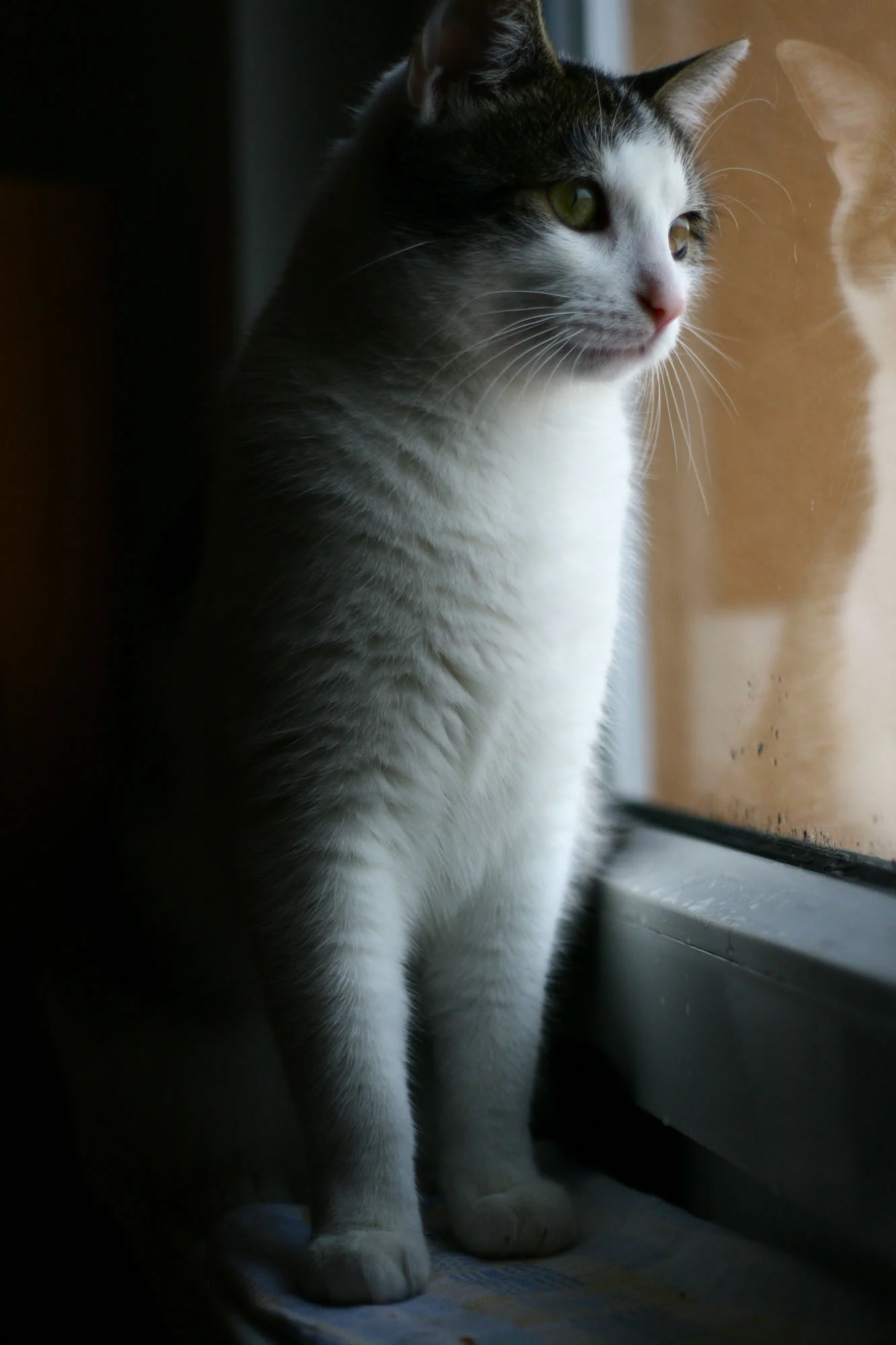
Bringing a cat who has been accustomed to the outdoors into a strictly indoor environment can present challenges for both pet and owner. While many cats adapt with ease, others may exhibit stress through behaviors like scratching at doors, vocalizing excessively, or attempting to escape. This guide outlines a gradual approach to help your feline friend successfully transition to a safe and enriching indoor lifestyle.
Transitioning an outdoor cat indoors requires a thoughtful and patient strategy. The key is to make the change gradual, allowing the cat to become accustomed to its new surroundings and routines. While some cats will adjust with minimal fuss, others may vocalize their discontent or display anxiety through destructive behaviors. This process is about retraining both the cat and the household to create a harmonious indoor living situation.
Before beginning the transition, ensure your cat is comfortable with essential indoor amenities. If your cat hasn’t used a scratching post or litter box before, introduce these items well in advance. For cats accustomed to being fed outdoors, start by offering meals inside. Initially, allow them back outside after eating, but gradually increase the duration they spend indoors. This step-by-step approach helps the cat associate the indoors with positive experiences like meals and comfort.
Household members also play a crucial role in this adjustment period. They must be diligent about closing doors promptly to prevent escapes and provide ample mental and physical stimulation for their feline companion. Interactive play sessions are vital for keeping your cat’s mind sharp and body active, helping to curb boredom and potential destructive tendencies. Consider providing “kitty greens” – such as catnip, wheat grass, or oat grass – as a safe alternative for your cat to munch on, redirecting any impulses to chew on houseplants.
The changing seasons can also offer an advantage. If you live in a region with cold winters, this period might be ideal for encouraging your cat to embrace indoor living. The allure of a warm, dry bed can be a significant incentive for a cat to stay inside. However, if gradual methods prove difficult, a “cold turkey” approach might be more effective for some cats, as occasional outdoor access can reinforce their desire to be outside. In persistent cases, consulting your veterinarian about short-term calming aids or therapies could be beneficial during the transition.
Considering an Indoor Cat Outdoors?
Conversely, if you’re contemplating allowing an indoor cat outdoors due to behavioral issues like furniture scratching or litter box avoidance, it’s essential to explore all other options first. Consult your veterinarian to rule out any underlying medical conditions contributing to these behaviors. If your cat is deemed healthy, seek guidance from your veterinarian, a professional trainer, or an animal behavior specialist who employs positive reinforcement techniques. Remember, a cat’s behavior, even if undesirable to us, always has a reason from their perspective. It’s not an act of spite. Patience and understanding, rather than punishment, are the most effective tools for re-establishing good habits.
If life circumstances such as allergies or pregnancy are leading you to consider rehoming your cat or allowing them outdoor access, consult with your physician. There are often effective strategies to manage these conditions while ensuring your cat’s safety and well-being.
By diligently addressing your indoor cat’s physical and emotional needs, you can cultivate a secure and stimulating environment. Despite thousands of years of domestication, cats retain many of their wild ancestors’ fascinating behaviors. These innate tendencies can be channeled positively within the home through engaging toys, climbing structures, and interactive play. A simple paper grocery bag, a cat’s boundless imagination, and your consistent affection can go a long way in fostering a happy, healthy indoor life for your beloved feline companion.
If you would like to work with a Wisconsin Humane Society behaviorist one-on-one regarding this behavior topic, please call 414-431-6173 or email behavior@wihumane.org to schedule a consultation.
