
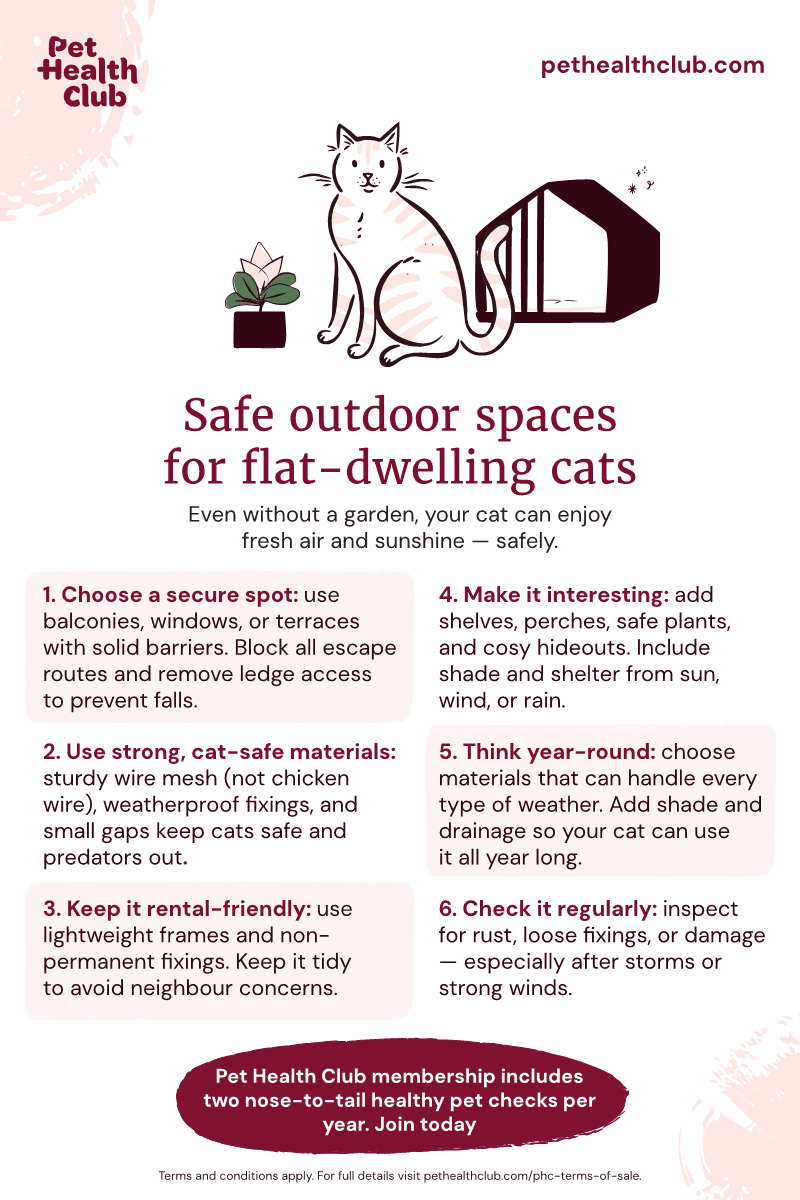
As cat owners, we want our feline companions to experience the world beyond our walls, but transitioning them to an indoor/outdoor lifestyle requires a careful and gradual approach. This process can take anywhere from two weeks to over a month, depending on your cat’s individual personality and adaptability. Ensuring your cat feels secure and comfortable in their indoor environment is the crucial first step, as this confidence will translate to their willingness to explore the outdoors. This guide will walk you through the essential steps to help your cat safely enjoy both indoor and outdoor living.
Establishing a Consistent Indoor Routine
The foundation of a successful indoor/outdoor transition lies in establishing a predictable routine primarily centered around indoor activities, especially feeding.
Indoor Feeding Schedule
It is vital to feed your cat indoors on a regular schedule. Feeding your cat outdoors can inadvertently attract unwanted wildlife and other neighborhood cats, potentially leading to conflicts and reducing your cat’s inclination to return inside. By establishing consistent indoor feeding times, you reinforce the idea that home is where the food is, which is a powerful motivator for your cat to adhere to an indoor/outdoor routine.
Gradual Outdoor Acclimation
Begin by allowing your cat short, supervised outdoor excursions, starting with just 10 minutes at a time. During these initial outings, allow your cat to gradually acclimate to the new sights, sounds, and smells of their outdoor environment. Spend time with your cat in the yard to help them become familiar with their surroundings. Crucially, do not allow your cat unsupervised access to the outdoors during this phase. As your cat becomes more comfortable, you can slowly increase the duration of supervised outdoor time.
To strengthen the instinct to return indoors, offer a highly palatable treat immediately after each outdoor session. Using a cheerful tone and a phrase like “It’s time to eat” can also help your cat associate your call with a positive experience, eventually leading to a reliable response.
Creating a Daily Routine
Consistency is key. Aim to let your cat out at the same time each day and establish a firm time for them to come inside each night. It is strongly advised not to let your cat stay outside after dark. Releasing them before their regular mealtime can serve as a reminder to return home for their food. Maintaining consistent meal times helps regulate their internal clock, making them more likely to respond to your calls to come inside, thus alleviating concerns about their whereabouts at night.
Essential Safety and Health Considerations
Beyond establishing a routine, proactive measures are essential to ensure your cat’s safety and well-being when they venture outdoors.
Identification and Containment
Ensure your cat is identifiable. This can be achieved through a collar with an ID tag or, even better, a microchip. A microchip provides a permanent form of identification that cannot be lost or removed. Consider using a specific door for your cat’s outdoor access, preferably one that doesn’t lead directly to a busy road or a neighbor’s property. A door with windows nearby can also help you spot your cat waiting to come back inside.
Socialization and Neighborly Relations
It’s beneficial to introduce your cat to your neighbors. Your cat may wander onto their property, so informing neighbors beforehand can prevent misunderstandings and foster a sense of community responsibility for your pet’s welfare. They can also be a valuable resource if they notice anything unusual or have concerns.
Veterinary Care and Preventatives
Regular veterinary check-ups are non-negotiable for indoor/outdoor cats. Discuss a consistent deworming and flea treatment schedule with your veterinarian. They can also advise on necessary vaccinations and preventatives tailored to an indoor/outdoor lifestyle, which may include the Feline Leukemia (FeLV) vaccine, Rabies vaccine, FVRCP, and a heartworm preventative. It is important to consult your veterinarian and inform them about your cat’s indoor/outdoor status to ensure they receive appropriate care.
Environmental Precautions
Avoid letting your cat outdoors during extreme weather conditions, whether it’s excessively hot or cold. Declawed cats may struggle to defend themselves or navigate outdoor environments effectively, making them more vulnerable. For this reason, cats that are not declawed are generally better suited for an indoor/outdoor lifestyle.
Understanding Potential Risks
An indoor/outdoor lifestyle exposes cats to various risks that owners must be aware of.
Safety Hazards
Cats may encounter dangers such as dogs, local wildlife, or other cats who might pose a threat. Vehicular traffic presents a significant risk, and accidental poisoning from substances like antifreeze or pesticides can be fatal. Unfortunately, some people may also be cruel to cats found in their yards.
Health Concerns
Outdoor cats are more susceptible to certain diseases like Feline Leukemia Virus (FeLV) and Feline Immunodeficiency Virus (FIV). They are also at a higher risk of contracting parasites, including fleas, ticks, intestinal worms, and even heartworm. Open communication with your veterinarian is crucial for managing these health risks.
By meticulously following these guidelines, you can significantly enhance the safety and well-being of your cat as they enjoy the enriching experiences of both indoor and outdoor living.
