
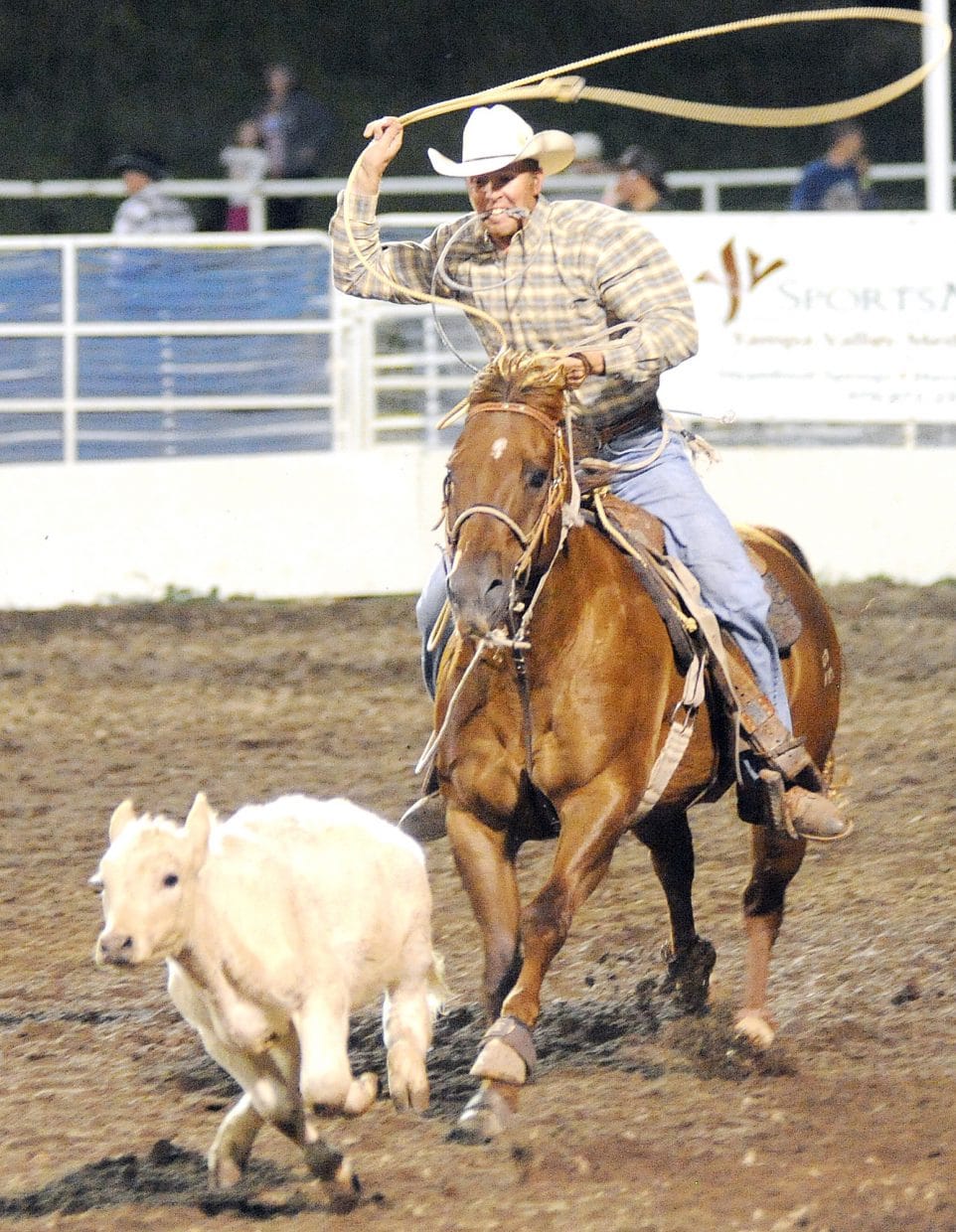
Training a calf horse is a delicate dance of power, precision, and partnership. It’s more than just teaching a horse to run and stop; it’s about cultivating an equine athlete that can read a cow, rate speed, and respond instantly, all while remaining calm and composed. Whether you’re dreaming of rodeo arenas or simply want to build a versatile ranch partner, the journey of training a calf roping horse is immensely rewarding. This guide will walk you through the essential steps, from building a solid foundation to making that first run on a live calf.
The process of developing a top-tier tie-down roping horse is a marathon, not a sprint. It demands patience, consistency, and a deep understanding of horsemanship. Before you ever think about the roar of a crowd, you must focus on the quiet moments in the practice pen, where fundamentals are forged. A successful calf horse is a testament to its training, a reflection of countless hours spent perfecting every single element of the run.
What Makes a Great Calf Horse Prospect?
Before you can learn How To Train A Calf Horse, you must start with the right partner. Not every horse is cut out for the demands of tie-down roping. The ideal prospect typically possesses a unique combination of physical traits and mental fortitude.
Key characteristics to look for:
- Conformation: A strong hindquarter is non-negotiable. This is the engine that provides the explosive speed from the box and the power for a hard, sliding stop. Look for a horse with a low-set hock, strong loin, and a well-balanced build.
- Temperament: A calm, trainable mind is paramount. The horse needs to handle pressure, stand quietly in the box, and remain focused amidst the chaos of a run. An anxious or “hot” horse will often struggle with the precision required.
- Athleticism: Quick-footedness and natural “cow sense” are huge advantages. A horse that naturally watches and rates a cow has a head start in the training process. They need to be agile enough to adjust their position on the fly.
- Breed: While many breeds can excel, the American Quarter Horse has long dominated the sport for a reason. Their muscular build, powerful hindquarters, and innate cattle sense make them perfectly suited for the job.
The Foundation: Before You Ever See a Calf
The most common mistake beginners make is rushing to rope. The absolute best calf horses have an impeccable foundation in basic horsemanship. This is the bedrock upon which all other skills are built.
Mastering the Fundamentals
Your horse must be soft, supple, and responsive to your cues long before you introduce a rope and calf. This means mastering:
- Collection: The horse should move in a balanced frame, engaging its hindquarters and lifting its back.
- Body Control: You need independent control over the horse’s shoulders, rib cage, and hips. Drills like side-passing, two-tracking, and counter-bending are essential.
- Transitions: The horse must move smoothly and instantly between a walk, trot, and lope, as well as halt.
The All-Important Stop
In calf roping, the stop is everything. It needs to be hard, square, and on the hindquarters. You should be able to stop your horse from any gait, at any speed, with minimal rein pressure. Work on sliding stops in a straight line, ensuring the horse drops its hind end and keeps its front end light. Reinforce this constantly. As the legendary horseman johnny goodman horse trainer would attest, a solid foundation makes all advanced maneuvers possible.
Introducing the Tools: The Roping Dummy
Once your horse’s foundation is solid, it’s time to introduce the elements of the sport in a controlled manner. This starts with a roping dummy, often called a “sled.”
Tracking and Rating
The first goal is to teach the horse to follow the sled. Have a friend pull the dummy at various speeds and in different directions. Your job is to keep the horse positioned correctly behind it, just as you would a live calf. This teaches the horse to “rate,” or match the speed of the object it’s following.
- Start at a walk, then a trot, then a lope.
- Keep your horse straight and focused on the dummy.
- If the dummy turns, your horse should turn with it.
The First Throws
Once the horse is confidently tracking the dummy, you can start swinging your rope and throwing. At this stage, you’re not trying to stop hard. Simply rope the dummy, stop your horse calmly, and back a few steps. The goal is to get the horse comfortable with the sight, sound, and feel of the rope without introducing pressure.
Expert Insight from Dr. Clay Cooper, Equine Performance Specialist: “The dummy phase is crucial for building a horse’s confidence. You are programming the basic sequence of events—run, rate, rope, stop—in a low-pressure environment. Skipping this step often leads to anxiety and anticipation problems down the road.”
The Box: Where Patience is Taught
The roping box can make or break a run. A horse that is anxious in the box will never perform to its full potential. The key is to teach the horse that the box is a place of rest and relaxation.
Making the Box a Good Place
Spend significant time simply walking your horse into the box, backing into the corner, and letting them stand quietly. Don’t ask for anything else. Let them relax on a loose rein. If the horse gets antsy, take them out of the arena and work them, then bring them back to the box to rest. This reinforces the idea that the box is the easy part.
Scoring Calves
“Scoring” is the act of letting a calf out of the chute while you and your horse remain in the box. This is one of the most important drills in training a calf horse. Score dozens, even hundreds, of calves. This teaches the horse to stand patiently and wait for your cue to leave, rather than lunging forward the moment the gate opens. The horse learns to watch the calf leave while keeping its attention on you.
The Final Steps: Working Live Calves
When your horse is solid on the dummy and calm in the box, you can progress to live calves. The key here is to go slow.
Slow Work is Fast Work
Start with slower calves that run straight. Your goal is not to set a speed record but to execute each step of the run perfectly.
- Leave the Box Correctly: Let the horse leave flat and smooth, guided by your cues.
- Rate and Position: Get into the proper roping position without rushing.
- Rope the Calf: Make a clean catch.
- The Stop and “Working the Rope”: As you throw your rope, cue your horse to stop hard. When you dismount, the horse must learn to “work the rope.” This means keeping the rope taut by backing up, preventing the calf from getting up. Initially, have a helper on the ground to guide the horse back. The horse will learn that the tension from the calf is the cue to keep backing.
- Putting it All Together: Walk down the rope, flank the calf, and make your tie. Do it all at a walking pace at first. This builds the horse’s confidence and solidifies each part of the process in its mind.
As your horse gains confidence, you can gradually increase the speed and difficulty. But always be prepared to go back to slow work if problems arise. Learning how to train a calf horse is about building a solid, unbreakable chain of correct habits.
Frequently Asked Questions (FAQ)
How long does it take to train a calf horse?
There is no set timeline. It can take anywhere from a year to several years, depending on the horse’s natural ability, the trainer’s skill, and the consistency of the training. Rushing the process is the fastest way to create problems.
What is a “jerk line”?
A jerk line is a thin rope that runs from the bit, through a pulley on the saddle, to the rider’s belt. When the rider dismounts, the line pulls on the bit, which is an additional cue for the horse to back up and keep the rope tight.
How do I fix a horse that anticipates the start?
This almost always goes back to not scoring enough calves. Go back to the box and let dozens of calves go without ever leaving. Re-establish that the horse’s job is to wait for your cue, not to leave with the gate.
What is the best age to start training a calf horse?
Most trainers start a horse under saddle around age two, spend a year or two on fundamental horsemanship, and begin introducing the specific elements of roping when the horse is four or five. This ensures the horse is physically and mentally mature enough to handle the pressure.
Can I train a calf horse myself?
While it’s possible, it is highly recommended to seek guidance from an experienced professional. A good trainer can help you avoid common pitfalls and ensure you and your horse develop correct habits from the start.
Conclusion
Training a calf horse is a journey that tests your horsemanship, patience, and dedication. It’s a partnership built on trust and clear communication. By focusing on a solid foundation, progressing in logical steps, and always prioritizing your horse’s confidence, you can develop a willing and capable partner for the arena. Remember that every champion started with these same fundamental steps. The key to success in learning how to train a calf horse is to build it right, one step at a time.
