
The bond between a horse and rider is special, often built on trust, communication, and shared experiences. However, sometimes this close relationship can lead to a common training challenge: “buddy sourness.” A buddy sour horse becomes overly reliant on its companion, whether another horse or even a favorite person, exhibiting distress or refusal to move when separated from them. This can stem from anxiety, lack of confidence, or simply a lack of experience navigating the world independently. Effectively training a buddy sour horse requires patience, consistency, and a focus on building the horse’s self-assurance. It’s about teaching them that being alone doesn’t mean being unsafe or unsupported.
Understanding Buddy Sourness: More Than Just Missing a Friend
Buddy sourness isn’t simply a horse being a bit clingy. It’s a distinct behavioral issue rooted in anxiety and a lack of confidence. When a horse is buddy sour, they may display a range of concerning behaviors when separated from their companion:
- Refusal to move: The horse may plant its feet, become heavy in hand, or actively resist forward movement.
- Vocalization: Whinnying, nickering, or other distress sounds can be common.
- Pacing or circling: The horse might become agitated and move restlessly.
- Increased heart rate and respiration: Visible signs of stress and anxiety.
- Looking back repeatedly: Constantly seeking their companion.
- In extreme cases, bolting back towards their companion.
It’s crucial to differentiate this from simple obedience challenges. A horse that is unwilling to be separated from its companion is expressing a genuine need for that security. Therefore, the training approach must address the underlying anxiety, not just the outward behavior.
Building Confidence: The Foundation of Independence
The core of training a buddy sour horse lies in systematically building its confidence and independence. This is a gradual process that involves positive reinforcement and desensitization.
Gradual Separation Exercises
The most effective way to combat buddy sourness is through controlled and progressive separation exercises.
- Short Distances, Short Durations: Start by simply walking away from the companion for a few steps, then return. Reward the horse for remaining calm. Gradually increase the distance and time you are apart.
- Vary the Location: Practice these separations in different areas of the stable, arena, or even a safe pasture. This helps the horse generalize the idea that being separated is okay, regardless of the environment.
- Introduce a “Safe” Space: Sometimes, having a designated “safe zone” – perhaps a familiar grooming spot or a hay net – can help a horse feel more secure when momentarily alone.
- Use a Helper (Initially): If possible, have a trusted helper hold the companion horse while you work with the buddy sour horse a short distance away. This allows for more focused attention on the horse experiencing anxiety.
Positive Reinforcement for Calmness
Whenever the horse remains calm during separation, reward them generously. This can be with praise, a gentle scratch, or a small treat. The goal is to associate being alone with positive experiences. Conversely, if the horse becomes overly anxious, it’s often best to simply return to the companion without punishment and try a shorter, less intense separation next time. Pushing a highly anxious horse can reinforce their fear.
Addressing Underlying Anxiety and Building Trust
Beyond separation exercises, fostering a general sense of security and trust is paramount.
Consistent Routine and Predictability
Horses thrive on routine. A predictable daily schedule for feeding, turnout, grooming, and training can significantly reduce general anxiety, which in turn can help with buddy sourness. Knowing what to expect can make a horse feel more secure, even when momentarily separated from their buddy.
Groundwork for Confidence
Engaging in confidence-building groundwork exercises can be incredibly beneficial. These might include:
- Leading exercises: Practicing leading the horse calmly through various obstacles and environments.
- Desensitization: Gradually exposing the horse to new objects, sounds, and situations in a controlled manner.
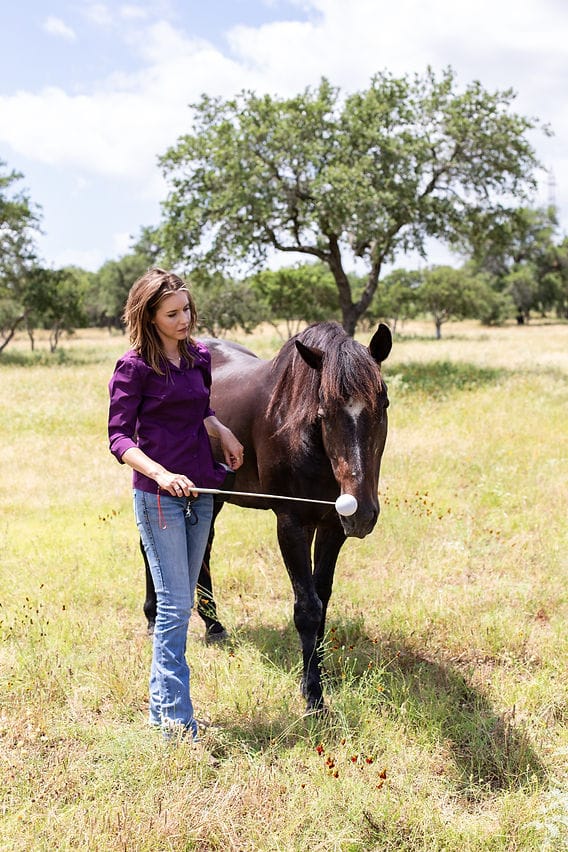
- Target training: Teaching the horse to touch a target with its nose, which can improve focus and responsiveness.
These activities help the horse learn to rely on your guidance and develop trust in your leadership, making them more comfortable venturing out on their own. This is similar to how one might approach training a horse for trail riding, where confidence and trust are key.
Exploring Different Training Methods
If you’re struggling, consider seeking professional guidance. A skilled trainer, perhaps one specializing in problem horse trainer scenarios, can offer tailored strategies. They might suggest specific techniques or help you identify if there are other contributing factors to the horse’s anxiety. For instance, if a horse is exhibiting laziness alongside buddy sourness, understanding training a lazy horse principles might offer some insights into motivating the horse to move forward independently.
Riding Exercises to Foster Independence
Once some progress is made on the ground, incorporate these exercises into your riding sessions.
Arena Work Without the Companion
Begin by riding in the arena while the companion horse is outside, or vice versa. Start with simple exercises like walking and trotting. As the horse gains confidence, introduce more complex maneuvers. The key is to keep sessions short and positive, ending on a good note.
Trail Riding – The Ultimate Test
Trail riding is an excellent way to solidify independence. Initially, keep trails familiar and relatively short. As the horse becomes more comfortable, gradually explore new and more challenging terrain. Always ensure you have a plan for what to do if the horse becomes anxious, and remember that safety is paramount. This type of work is akin to understanding how to train a horse for trail riding in a broader sense.
The “Buddy Swap” Technique
A more advanced technique involves temporarily swapping companions. If you have two buddy sour horses, for example, you could briefly work with one horse while its usual companion is being worked by someone else. This helps them realize that their “buddy” is still okay and will return, and also that they can function and be safe with a different handler or in a different situation. This concept is related to the idea of managing horses that might be difficult, much like a horse training pdf might discuss.
Patience and Consistency: The Keys to Success
Training a buddy sour horse is not a quick fix. It requires significant patience, unwavering consistency, and a deep understanding of equine behavior. Every horse is an individual, and their progress will vary. Celebrate small victories and don’t get discouraged by setbacks.
Remember that the goal is not to break the horse’s spirit or sever their bond with other horses or people. Instead, it’s about teaching them that they are capable, confident individuals who can thrive even when momentarily apart from their trusted companion. By focusing on building their self-assurance and trust in you, you empower them to become a more independent and well-adjusted equine partner. The journey might have its challenges, but the reward is a horse that is not only a better partner but also happier and more secure in itself.
