
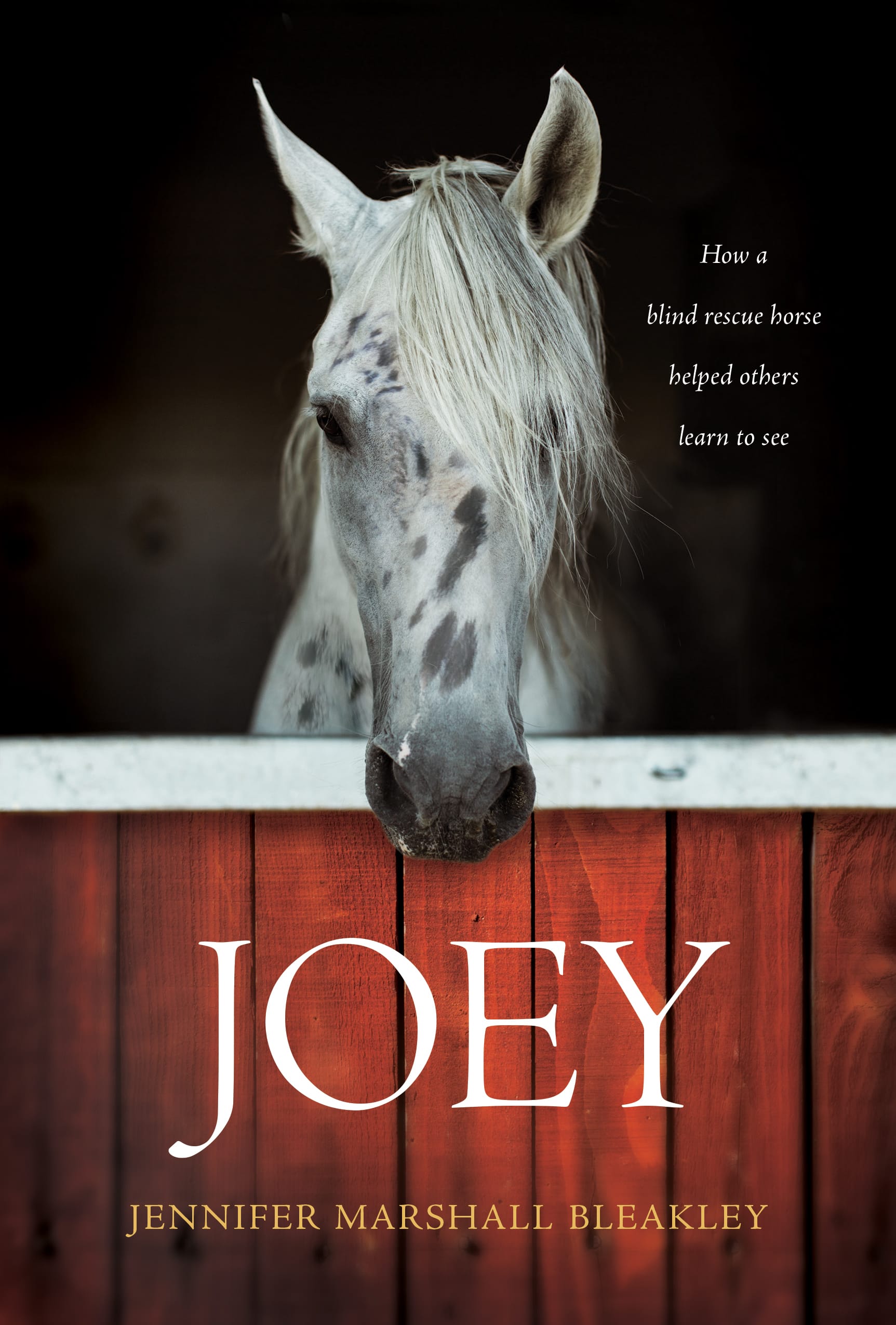
Discovering your horse has lost its sight can feel overwhelming, but it is far from the end of your journey together. The process of learning How To Train A Blind Horse is a profound exercise in trust, communication, and partnership. At Equine Excellence, we believe that a horse’s value isn’t defined by its vision, but by its heart and spirit. With patience and the right techniques, you can help your equine partner navigate their world with confidence and grace, strengthening your bond in ways you never imagined. This journey requires you to become their eyes, their guide, and their most trusted ally.
Training a horse without sight is less about retraining and more about refining communication. While some advanced disciplines like jumping may no longer be an option, most activities, including arena work and even trail riding, are still possible. Similar to how a master like Tristan Tucker horse trainer focuses on the horse’s psychology, your focus will shift from visual cues to a rich language of voice, touch, and sound.
Understanding Your Horse’s New World
A horse’s first reaction to blindness is often confusion and fear. Their world, once defined by a nearly 360-degree field of vision, has suddenly shrunk. Your initial and most important job is to provide a sense of security. Blind horses learn to “map” their environment, memorizing the locations of fences, water troughs, and shelters. They rely heavily on their other senses—hearing, smell, and touch—which become incredibly acute.
Your voice will become the most important tool in your training arsenal. The sound of your voice—its location, tone, and volume—provides your horse with a constant beacon, letting them know where you are and what to expect. They will learn to judge distance based on how your voice travels and to associate specific words with actions and objects.
Creating a Sanctuary: The Safe Zone
Before you begin any formal training, you must ensure your horse’s environment is a safe and predictable sanctuary. This is a non-negotiable first step.
- Pasture Proofing: Walk the entire pasture meticulously. Remove any fallen branches, old farm equipment, or debris. Fill in any holes and ensure fencing is solid and highly visible (even if they can’t see it, others can, and it helps you). Avoid changing the layout.
- Stall Safety: Keep their stall layout identical every day. The water bucket and feed bin should never move. Ensure there are no sharp edges or objects they could bump into.
- Buddy System: A calm, friendly companion horse can be a wonderful guide. However, it’s crucial to ensure the companion is not a bully, as a blind horse is vulnerable and cannot read the body language of an aggressor. A bell on the buddy’s halter can sometimes help the blind horse locate them.
The Foundation: Building Unbreakable Trust
Trust is the bedrock of all horse training, but for a blind horse, it’s their entire world. They must trust that you will not lead them into danger. Every interaction should be aimed at reinforcing this confidence.
Always speak to your horse as you approach, letting them know which side you are on. A gentle touch on the neck or shoulder before you start grooming or tacking up prevents startling them. Your movements should be calm, deliberate, and predictable. Sudden actions or loud noises can be terrifying for a horse that cannot see the source.
The Power of Voice: Your New Language
Verbal cues are the cornerstone of your communication. Your goal is to create a clear and consistent vocabulary that your horse can understand and rely on.
- “Stop” or “Whoa”: This is the most critical command. It must be absolute. Practice this frequently, starting at a standstill, then at a walk. Use a clear, firm tone.
- “Step Up” and “Step Down”: Essential for navigating uneven ground or trailer entrances. As you approach a curb or change in terrain, say the cue just before their foot needs to lift.
- Directional Cues: Words like “Over” to ask for a sideways movement, or “Turn,” are vital. Initially, pair the verbal cue with gentle pressure from the lead rope or your hand.
- Cautionary Words: A softer, cautionary word like “Easy” or “Careful” can be used to signal an upcoming obstacle or a tricky patch of ground.
According to Dr. Eleanor Vance, an Equine Behavior Specialist, “The tonality of your voice is just as important as the words themselves. A calm, reassuring tone builds confidence, while a sharp, anxious tone transmits fear. You are literally narrating the world for your horse, and your emotional state sets the stage for their reaction.”
This level of detailed communication is an essential part of the how to train a blind horse process, turning abstract sounds into concrete actions and building a reliable communication system.
Essential Groundwork for the Blind Horse
Your groundwork will be very similar to that of a sighted horse, but with an increased emphasis on verbal and physical guidance. The goal is to make your horse responsive, confident, and aware of their body in relation to you.
Leading with Confidence
Your horse must learn to walk beside you, not lagging behind or pushing ahead. They should trust your pace and direction implicitly. When leading, your body is their guide. If you stop, they should stop. If you turn, they should turn with you. Use a lead rope and sometimes a longer training stick to provide gentle taps on the shoulder or hindquarters. This acts as an extension of your arm, helping you guide them without pulling on their head. You can teach them to maintain a specific distance from the stick, which is invaluable for navigating tighter spaces. While a sighted horse might enjoy a simple card game horse racing simulation for fun, your groundwork is a real-time, high-stakes game of trust and navigation.
Desensitization to Sound and Touch
Since they can’t see the source of a sound or object, desensitization is critical. Introduce new sounds gradually. Start with soft sounds and progressively get louder, always rewarding calm behavior. Let them touch and smell objects that may seem scary. A plastic bag, a flapping tarp, or the sound of clippers should be introduced in a controlled, positive environment. This process builds resilience and teaches them to look to you for reassurance rather than reacting with panic. This is a more profound challenge than what is found in a horse jump training game, as it involves conquering internal fears rather than external obstacles.
Is Riding a Blind Horse Possible?
For many people, this is the ultimate question. The answer is a resounding yes, it is often possible, but with important considerations. A horse that was a steady riding partner before losing its sight will adapt more easily than an unstarted one.
The key is to start slowly in a completely safe and familiar environment, like a round pen or a small, enclosed arena. The rider must have excellent balance and independent hands, as the horse will be relying on subtle seat and leg cues more than ever. You, the rider, are now the horse’s navigator. You must be hyper-aware of your surroundings, looking ahead and preparing the horse for turns and stops well in advance.
Trail riding can also be a reality for a well-trained blind horse and a confident rider. It often works best when following a steady, reliable lead horse. The rider must be vigilant, steering their horse clear of low branches, rocks, and uneven ground. The partnership required is immense, but the reward of continuing your riding journey together is immeasurable. This deep connection is a recurring theme in equine stories, even fictional ones involving a peaky blinders horse trainer actress.
For those looking for a comprehensive guide, this article on training a blind horse offers further insights into the process.
Final Thoughts: A Journey of Connection
Training a blind horse is a testament to the incredible adaptability of equines and the power of the human-animal bond. It forces you to become a more aware, patient, and precise horseperson. You will learn to listen more, to feel the subtle shifts in your horse’s balance and confidence, and to communicate with a clarity you may have never thought possible. By embracing the challenge of how to train a blind horse, you are not just giving them a future; you are opening a door to a deeper, more meaningful partnership.
Frequently Asked Questions (FAQ)
1. How do I make my pasture safe for a blind horse?
To make a pasture safe, you must walk it thoroughly and remove all potential hazards like fallen trees, rocks, old equipment, and debris. Ensure the fencing is secure and has no sharp points. It’s best to use a simple, rectangular layout and avoid making changes to the location of gates, shelters, or water sources.
2. What are the most important verbal cues for a blind horse?
The most critical verbal cue is a strong “whoa” or “stop.” Other vital commands include “step up” and “step down” for changes in terrain, “over” for side-passing, and “easy” as a cautionary word to alert them to a potential obstacle ahead. Consistency in your choice of words and tone is key.
3. Can a blind horse live happily with other horses?
Yes, a blind horse can live very happily in a herd, but the companions must be chosen carefully. A calm, gentle “buddy” horse can serve as a guide and source of comfort. It is crucial to avoid aggressive or overly dominant horses that might bully or injure the blind horse, who cannot see social cues to move away.
4. How long does it take to train a blind horse?
There is no set timeline. The duration depends on the horse’s individual temperament, how recently they lost their sight, and the handler’s consistency and skill. Building the initial foundation of trust is the most time-consuming and important phase. Patience is paramount; the process cannot be rushed.
5. Should I use a bell on my blind horse’s companion?
Using a bell on a companion horse can be a very effective tool. The gentle, consistent sound helps the blind horse easily locate their friend in the pasture, providing a sense of security and a “safe point” to navigate from. Choose a small, non-intrusive bell that is securely attached to the companion’s halter.
