
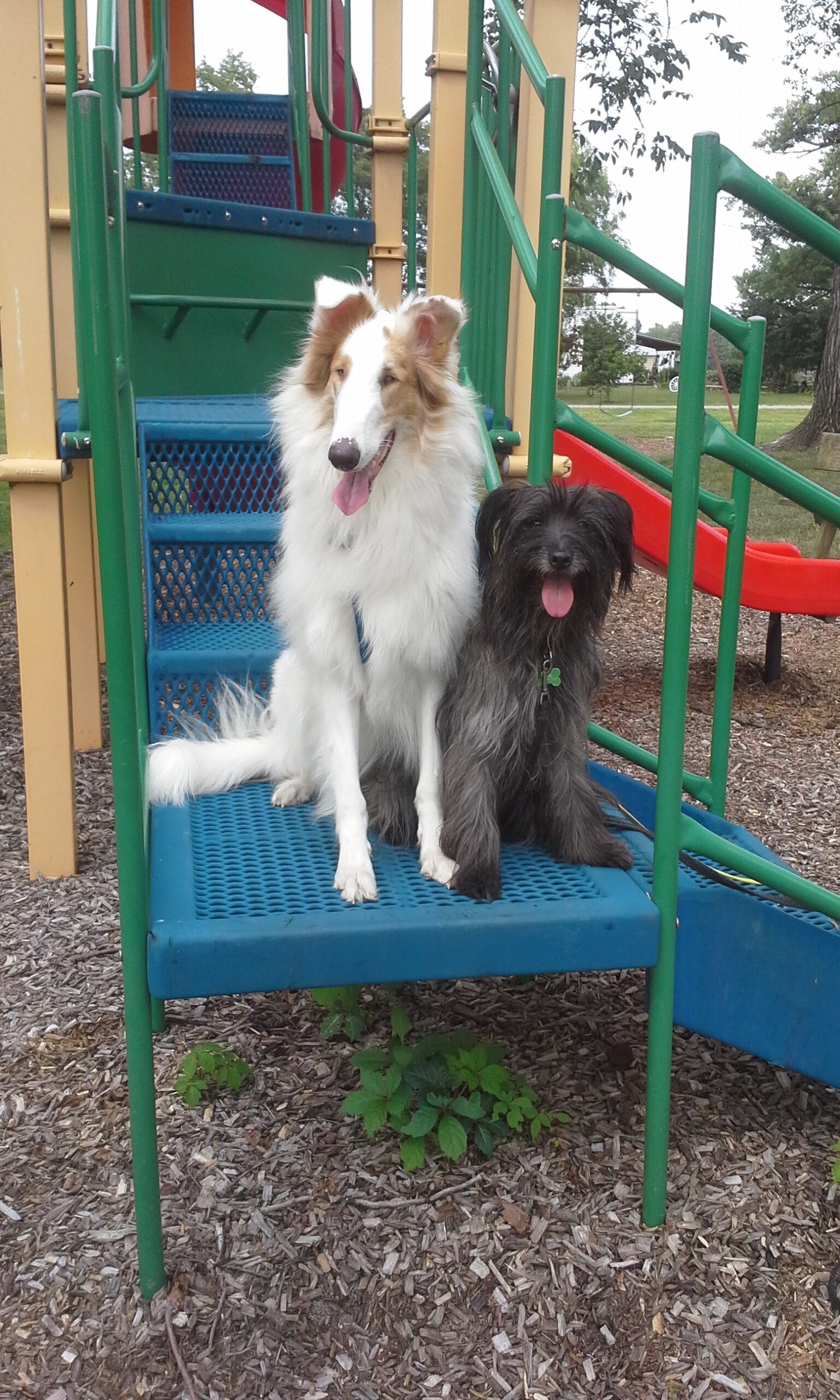
Training a blind dog is a rewarding journey that deepens your bond and empowers your canine companion. While vision loss presents unique challenges, it doesn’t diminish a dog’s capacity to learn, play, or love. With patience, consistency, and understanding, you can create a safe, happy, and fulfilling life for your sight-impaired furry friend. This guide will walk you through the essential steps, focusing on positive reinforcement and adapting techniques to suit your dog’s needs.
The world for a blind dog is experienced through sound, scent, and touch. Your role is to become their trusted guide, helping them navigate their environment with confidence. It’s about building a strong foundation of trust and clear communication, ensuring they feel secure and understood. Remember, every dog is an individual, and progress may vary. Celebrate small victories and enjoy the process of learning together.
Understanding Your Blind Dog’s World
Before diving into training, it’s crucial to understand how a blind dog perceives the world. Their other senses often become heightened to compensate for lost vision. Sound is a primary way they orient themselves, with familiar noises providing comfort and unfamiliar ones potentially causing anxiety. Scents play a significant role in recognition and exploration, allowing them to map their surroundings and identify people and other animals. Touch is also vital for comfort and guidance, making gentle petting and familiar textures important aspects of their sensory experience.
A sudden change in environment can be disorienting. It’s beneficial to maintain a consistent living space, keeping furniture and objects in their usual places to prevent accidents. When introducing new things, do so gradually and allow your dog ample time to explore and adjust using their other senses. This thoughtful approach to their environment is the first step in building their confidence and making them feel secure.
Essential Training Principles for Blind Dogs
Positive reinforcement is the cornerstone of training any dog, but it’s particularly vital for blind dogs. Because they rely heavily on their other senses, positive associations with training and their environment are paramount. This means using rewards like high-value treats, enthusiastic praise, and gentle petting to encourage desired behaviors. Avoid punishment, as it can create fear and anxiety, hindering their learning and trust in you.
Consistency in your commands, cues, and routine is non-negotiable. Use clear, distinct verbal cues for every action, and ensure all family members use the same commands. This predictability helps your blind dog understand what is expected of them. Keep training sessions short, engaging, and frequent, especially in the beginning, to maintain their focus and prevent frustration. Always end on a positive note, reinforcing their efforts and building their enthusiasm for future sessions.
Adapting Basic Obedience for Vision Impairment
Basic obedience commands form the foundation of a blind dog’s safety and your ability to manage them. Adapting these commands involves using auditory cues and tactile signals.
Voice Commands and Tone
Verbal commands should be clear, concise, and consistent. For instance, “sit,” “stay,” “come,” and “down” should always be the same words. Your tone of voice is also a powerful tool. Use an encouraging, upbeat tone for praise and commands, and a firm but not frightening tone for corrections or to get their attention.
Introducing a “Wait” or “Stay” Cue
A reliable “stay” command is crucial for safety, preventing your dog from moving forward into an unknown or potentially hazardous situation. Start by asking for a “sit,” then say “stay” in a calm, steady tone. Reward them for remaining in place, even for a few seconds. Gradually increase the duration and distance. You can introduce a tactile cue, like a gentle touch on their flank, to accompany the verbal “stay” cue.
The “Come” Command (Recall)
Recall is perhaps the most critical command for a blind dog’s safety. Make it incredibly rewarding. Start in a quiet, enclosed space. Call your dog’s name followed by “come” in an enthusiastic voice. When they reach you, shower them with praise and a high-value treat. As they improve, gradually increase the distance and introduce distractions in controlled environments. Consider using a long leash for added security during recall training outdoors.
“Leave It” and “Drop It”
These commands are essential for preventing your dog from picking up dangerous or inappropriate items. For “leave it,” place a low-value treat on the floor and cover it with your hand. When your dog backs away, say “yes” and give them a higher-value treat from your other hand. Progress to placing the treat on the floor without covering it, and eventually to having them ignore it completely. For “drop it,” start by trading a toy for a treat. As they release the toy, say “drop it.” Consistently reward them for letting go.
Navigating the Environment Safely
Teaching your blind dog to navigate their environment safely is paramount. This involves desensitizing them to everyday sounds and helping them learn to avoid obstacles.
Sound Training and Desensitization
Expose your dog to a variety of household and outdoor sounds at a low intensity, pairing them with positive reinforcement. This helps them associate sounds with safety rather than fear. For example, if a particular noise startles them, create that sound at a very low volume while they are calm, and reward them. Gradually increase the volume as they become more comfortable. This process helps them build confidence and reduces reactivity to unexpected noises.
Guiding Your Dog: The Human Guide Technique
You can act as your dog’s eyes by teaching them to follow your body. When walking, keep a gentle leash tension. If you need to stop, use a verbal “wait” and perhaps a light touch on their back. When you want them to move forward, give a verbal cue like “forward” or “let’s go” and a gentle tug on the leash to guide them. Teach them to navigate around obstacles by creating a slight turn in your own path; they will naturally follow your lead.
Teaching Obstacle Awareness
You can use specific verbal cues or tactile markers to help your dog become aware of their surroundings. For example, a distinct sound cue before a doorway, or a gentle tap on a wall to signal an upcoming turn. You can also use scent markers to delineate areas, like a specific scent for their food bowl or bed. This helps them build a mental map of their space.
Specialized Training for Blind Dogs
Beyond basic obedience, there are specialized training aspects that can significantly enhance a blind dog’s quality of life.
Scent Work and Nose Games
Nose work is an excellent activity for blind dogs, as it leverages their strongest sense. Hide treats or favorite toys around the house or yard and encourage your dog to find them using their nose. This not only provides mental stimulation but also helps them develop confidence in exploring their environment. It’s a fun and engaging way to build their problem-solving skills.
Socialization and Interaction
Proper socialization is crucial for all dogs, and blind dogs are no exception. Introduce them to new people, calm dogs, and different environments gradually and positively. Always supervise interactions to ensure they are safe and comfortable. Inform others that your dog is blind and how they can best approach and interact with them. This helps prevent misunderstandings and ensures positive social experiences.
Building Independence and Confidence
The goal of training a blind dog is to foster their independence and confidence. Encourage them to explore, make choices, and problem-solve. Provide opportunities for them to engage in activities they enjoy, whether it’s playing fetch in a safe area or learning new tricks. Celebrating their successes, no matter how small, will reinforce their confidence and willingness to try new things.
Addressing Potential Challenges
Despite best efforts, challenges can arise. Being prepared and knowing how to address them is key.
Dealing with Anxiety and Fear
Anxiety and fear can manifest in various ways, such as excessive barking, destructive behavior, or withdrawal. Identify triggers and work on desensitization and counter-conditioning. Ensure their environment is predictable and safe. Consult with a veterinarian or a certified professional dog trainer specializing in behavior modification if anxiety becomes severe.
Managing Navigation Issues
Some dogs may struggle with navigating new or complex environments. Practice in familiar settings first, gradually introducing new ones. Use clear verbal cues and guide them physically when necessary. Patience is key; some dogs take longer to develop spatial awareness. Consider using a head-collar or a harness that provides more control and guidance.
The Importance of Veterinary Care
Regular veterinary check-ups are essential for all dogs, but especially for those with vision loss. Your vet can monitor for any underlying health issues that might be contributing to their condition or affecting their behavior. They can also offer advice on managing any age-related changes or secondary health concerns.
Conclusion: A Lifetime of Love and Learning
Training a blind dog is a testament to the incredible resilience and adaptability of these animals, and the profound connection they share with their human companions. By implementing consistent, positive training methods, adapting your communication, and creating a safe and enriching environment, you empower your dog to live a full and happy life. The journey may have its unique hurdles, but the rewards – the unwavering trust, the deep bond, and the sheer joy of watching your dog thrive – are immeasurable. Embrace the “Dog Care Story” of your sight-impaired companion, and you’ll discover a world of love, loyalty, and unparalleled partnership.
