
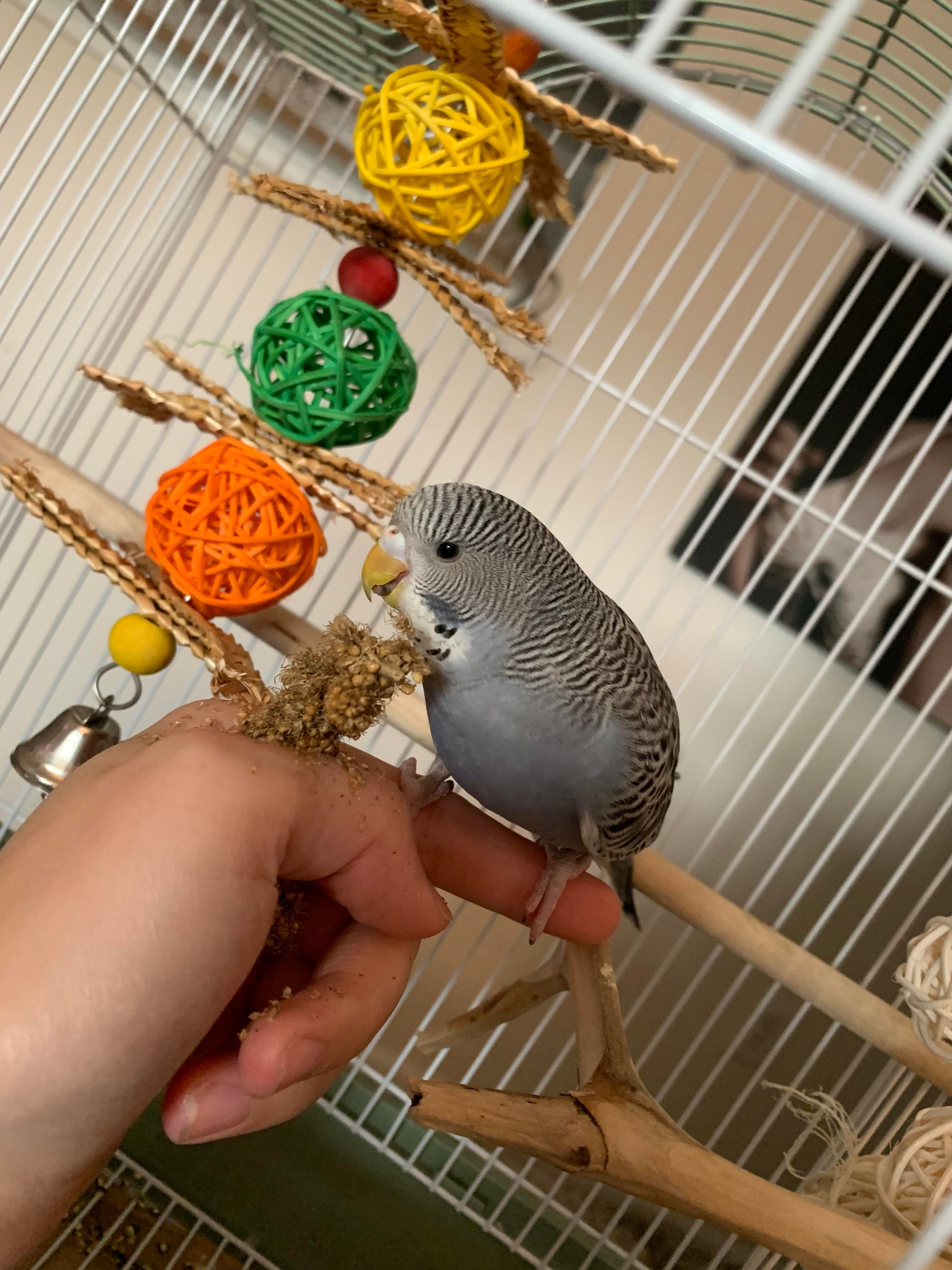
Biting can be a concerning behavior in pet birds, but with patience and understanding, you can help your feathered friend learn to refrain from it. This guide will walk you through the essential steps and strategies to effectively train your bird not to bite, fostering a more harmonious relationship. Understanding the root causes of biting is the first step in addressing it. Birds bite for various reasons, including fear, defensiveness, territoriality, or simply as a way to explore their environment. It’s crucial to identify the specific trigger for your bird’s behavior to implement the most effective training approach.
Understanding Bird Biting Behavior
Birds communicate through a variety of methods, and biting is often a signal that something is amiss or that they feel threatened. It’s rarely an act of malice but rather a response to a perceived situation.
Reasons Birds Bite
- Fear and Anxiety: If a bird feels cornered, threatened, or is in an unfamiliar situation, it may bite as a defense mechanism. Sudden movements, loud noises, or new people can be triggers.
- Territoriality: Birds can be protective of their cage or a specific area. If they perceive you as encroaching on their space, they might nip to warn you off.
- Hormonal Changes: During breeding season, birds can become more territorial and nippy due to hormonal fluctuations.
- Exploration: Young birds, much like human babies, explore the world with their beaks. They might playfully nip to test textures and boundaries.
- Attention Seeking: Some birds learn that biting gets a reaction from their owners, even if it’s negative attention.
- Pain or Discomfort: If a bird is in pain or feeling unwell, it may bite when touched in a sensitive area. A thorough veterinary check-up is essential if biting is a new or sudden behavior.
Identifying Triggers
To successfully train a bird not to bite, you must become a keen observer of its body language and the context in which biting occurs. Look for signs of stress such as pinned pupils, fluffed feathers, hissing, or a tense posture.
Effective Training Strategies
Once you understand why your bird might be biting, you can implement targeted training strategies. Consistency is key, and positive reinforcement will yield the best results.
Positive Reinforcement Techniques
The core of bird training lies in rewarding desired behaviors. This means focusing on what you want the bird to do, rather than solely punishing unwanted actions.
- Rewarding Calmness: When your bird is calm and allows you to interact without biting, offer praise, a favorite treat, or a gentle scratch. This reinforces that calm behavior is rewarded.
- Encouraging Gentle Interaction: If your bird is exploring with its beak, redirect its attention to a toy or a treat. As you move your fingers near its beak, reward it for not biting.
Dealing with Bites
When a bite does occur, it’s important to react in a way that doesn’t escalate the situation or reinforce the biting behavior.
- Do Not Yell or Punish: Reacting with anger or harsh punishment can increase a bird’s fear and anxiety, potentially leading to more biting. Avoid striking the bird or shaking its cage.
- Calmly Withdraw: If your bird bites, calmly say “ouch” in a neutral tone and immediately withdraw your hand or the object of attention. This teaches the bird that biting results in the loss of interaction.
- Short Time-Out: For persistent biters, a brief, supervised time-out in a safe, neutral space (like their cage, if they associate it with calm) can sometimes be effective. The duration should be short, just a few minutes, to avoid creating negative associations with the space itself.
Building Trust and Rapport
A strong bond between you and your bird is fundamental to successful training. Trust reduces fear and defensiveness, making biting less likely.
- Consistent Interaction: Spend quality time with your bird daily, engaging in activities it enjoys, such as talking, singing, or playing with toys.
- Respect Their Space: Always allow your bird to choose when it wants to interact. Avoid forcing handling or reaching into its cage aggressively. Let the bird come to you.
- Gentle Handling: When handling your bird, use slow, deliberate movements. Support its body fully and avoid squeezing.
Specific Training Scenarios
Different situations call for tailored approaches to discourage biting.
Training a Bird Not to Bite During Handling
This is perhaps the most common scenario. The goal is to teach the bird that hands are safe and associated with positive experiences.
- Start Slowly: Begin by simply placing your hand near the bird without trying to touch it. Reward any calm reaction with a small treat or praise.
- Gentle Touch: Gradually progress to very light touches on its feet or legs. If the bird tolerates this, offer a reward.
- Moving Up: Slowly move your touch towards its body, always watching for signs of discomfort. If the bird tenses or looks like it might bite, stop and return to a stage it was comfortable with.
- Offering a Perch: Encourage the bird to step onto your finger or hand by offering a perch. When it steps up willingly, reward it. This is a critical step in [how to train your bird not to bite] during handling.
Training a Bird Not to Bite When Approaching Its Cage
Birds can be defensive of their home territory. To train a bird not to bite when you approach its cage, you need to demonstrate that your presence is not a threat.
- Acclimation: Approach the cage slowly and speak in a soft, calm voice. Do not make direct eye contact initially, as this can be perceived as a challenge.
- Offering Treats: Offer a favorite treat through the cage bars before reaching in or opening the door. This creates a positive association with your approach.
- Gradual Entry: Once the bird is comfortable with your presence near the cage, begin to reach inside slowly, offering a treat or a favorite toy. If the bird remains calm, you can proceed. If it becomes agitated, withdraw and try again later.
Training a Bird Not to Bite During Playtime
Play is essential for a bird’s well-being, but playful nipping can escalate.
- Use Appropriate Toys: Provide a variety of toys that the bird can safely manipulate with its beak. This offers an outlet for their natural exploratory behavior.
- Redirecting Beak Play: If your bird starts to nip your fingers during play, redirect its beak to a chew toy. Praise it when it engages with the toy instead of your hand. This is similar to the techniques in [how to train love birds not to bite] when they are overstimulated.
- Ending Play If Biting Persists: If playful nipping continues despite redirection, calmly end the play session. This teaches the bird that biting stops the fun.
When to Seek Professional Help
While most biting issues can be resolved with consistent training and understanding, there are times when professional guidance is beneficial.
- Sudden or Extreme Aggression: If your bird exhibits sudden, uncharacteristic aggression or bites very hard, consult an avian veterinarian to rule out any underlying medical conditions.
- Persistent Biting: If you’ve tried various training methods consistently for an extended period without improvement, an avian behaviorist can offer specialized insights and customized strategies. They can help diagnose specific behavioral issues and provide tailored solutions, which can be invaluable for complex cases like [how to train your bird to not bite] when other methods have failed.
Conclusion
Training a bird not to bite is a journey that requires patience, consistency, and a deep understanding of avian behavior. By identifying the root causes of biting, employing positive reinforcement techniques, and building a strong foundation of trust, you can significantly reduce or eliminate biting incidents. Remember that every bird is an individual, and what works for one may need adjustments for another. Celebrate small victories, remain consistent, and you’ll foster a more positive and enjoyable relationship with your feathered companion. Understanding the nuances of bird communication is paramount, and with dedicated effort, you can achieve a bite-free environment for both you and your bird.
