
Bringing home a 10-week-old puppy is an exciting time, filled with adorable moments and new beginnings. At this crucial developmental stage, establishing a consistent routine is paramount for their physical and mental well-being, particularly concerning sleep and nap times. While puppies at this age require a significant amount of sleep, a well-structured schedule encompassing feeding, playing, and toilet training will not only meet their needs but also alleviate stress for new owners. Knowledge truly is power when it comes to raising a happy and healthy puppy. Get into the groove with Zigzag! This comprehensive guide will delve into the specifics of a 10-week-old puppy’s schedule, covering vaccinations, teething, appropriate exercise, nutrition, and essential training.
Second Vaccinations and Teething at 10 Weeks
By 10 weeks old, many puppies have settled into their new homes, while some may have just arrived. This period is significant as it often marks the time for their second vaccinations and the onset of teething. Puppies may also be experiencing a sensitive “fear period,” which can lead to increased anxiety and discomfort. If your breeder administered the first vaccination, it’s crucial to find a veterinarian who uses the same vaccine brand to ensure seamless protection. Read our full guide to puppy vaccinations for detailed information.
Teething is another major event for a 10-week-old puppy. As their sharp milk teeth give way to adult teeth, they may experience discomfort, leading to increased drooling and a strong urge to chew on everything. This behavior, including jumping up for reassurance and grabbing clothes, is entirely normal and part of puppy behavior. Providing ample outlets for chewing, such as toys and edible chews, is essential to protect your belongings and satisfy their needs.
Sleep remains a top priority, with puppies needing around 18 hours a day. Insufficient sleep can result in overtiredness, making them more prone to biting and erratic behavior. While they may not yet be sleeping through the night, ensuring they get adequate rest during the day is vital. Crates and playpens can serve as valuable “chill-out zones” for your puppy.
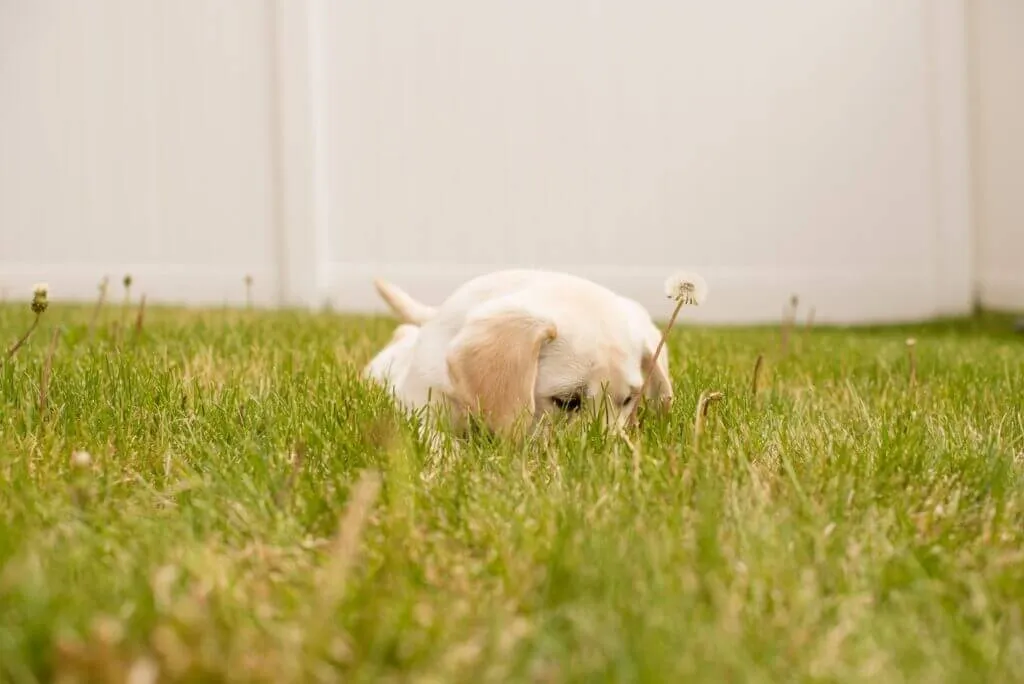 Labrador puppy hiding in the grass
What to Focus on at 10 Weeks Old
Puppies are constantly learning, and at 10 weeks, you can introduce them to various basic cues and commands. Prioritize essential skills like nighttime sleep training, socialization, and toilet training. Advanced trick training can wait until later.
Establish a Consistent Routine
Puppies thrive on predictability. A dependable routine builds confidence and makes puppy parenthood more manageable. A typical 10-week-old puppy schedule revolves around cycles of sleep, waking, toilet breaks, meals, and play.
Implement a Toilet Training Schedule
Consistent toilet training is crucial. Regularly taking your puppy out and setting reminders will minimize accidents. Remember that repetition and positive reinforcement are key to teaching them the correct elimination spots.
Prioritize Socialization
The 10-week mark falls within your puppy’s critical socialization window, a period where they are highly receptive to new experiences and learning about the world. Read our comprehensive article on socialization for in-depth guidance.
Engage with Puzzle Toys
Mental stimulation is as important as physical exercise. Utilize interactive puzzle toys, stuffed Kongs, and training games to challenge your puppy’s intellect. Find training puzzling? Download Zigzag!
Define Household Rules
Establishing clear household rules ensures everyone is on the same page regarding expectations for your puppy, fostering a sense of security and understanding.
Research Puppy Socialization Classes
Enrolling in a reputable puppy socialization class is highly beneficial. Look for classes that accept puppies around 10-12 weeks old and utilize positive reinforcement methods, often found among members of organizations like the UK Dog Charter.
Cherish Puppyhood
Enjoy the unique stage of 10-week-old puppyhood, including their adorable breath and cuddles. This time passes quickly, so savor every moment.
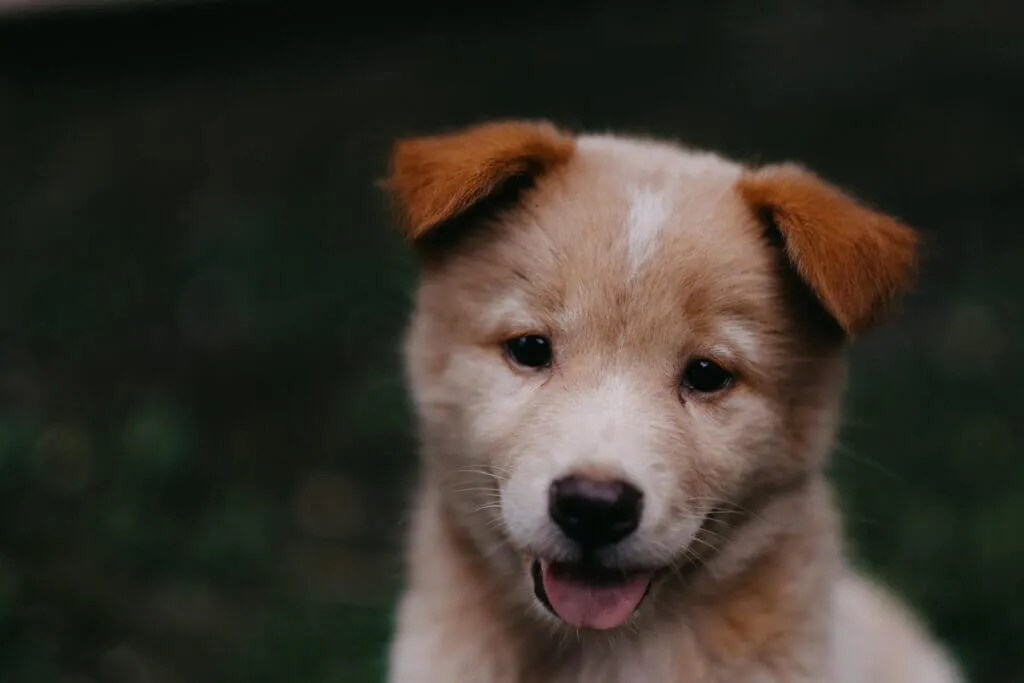 puppy sticking their tongue out to the camera
Understanding 10-Week-Old Puppy Behavior
At 10 weeks, puppies exhibit behaviors similar to toddlers, with developing emotional control. Expect increased drooling due to teething and a high energy level that requires consistent outlets.
Drooling and Teething
The discomfort from teething is a primary cause of increased drooling. Understanding when puppies lose their teeth can help manage expectations.
Playfulness and Energy
Play is crucial for practicing natural hunting behaviors and strengthening the bond with your puppy. Incorporate training games to combine fun with learning. It’s also important to help them learn how to calm down after play sessions.
The Importance of Sleep
A consistent puppy’s sleeping schedule is critical for their rapid emotional, mental, and physical development. Ample daytime rest is essential for recharging.
Exercise for Your 10-Week-Old Puppy
While your 10-week-old puppy may not be fully vaccinated for outdoor walks, they still require physical and mental exercise. Play serves as a primary form of exercise, strengthening your bond and keeping them healthy. Mental stimulation through training and enrichment activities, such as using the Zigzag app, is equally vital. Safe socialization outings using carriers or strollers can also expose them to the world.
Nutrition for Your 10-Week-Old Puppy
At 10 weeks, feeding your puppy 3 to 4 meals a day is appropriate. Whether you opt for wet, dry, homemade, or raw food, ensure it is a complete, age-appropriate puppy food. Complementary foods can be harmful if they lack essential nutrients for your puppy’s rapid growth. Refer to our articles on puppy nutrition and feeding amounts.
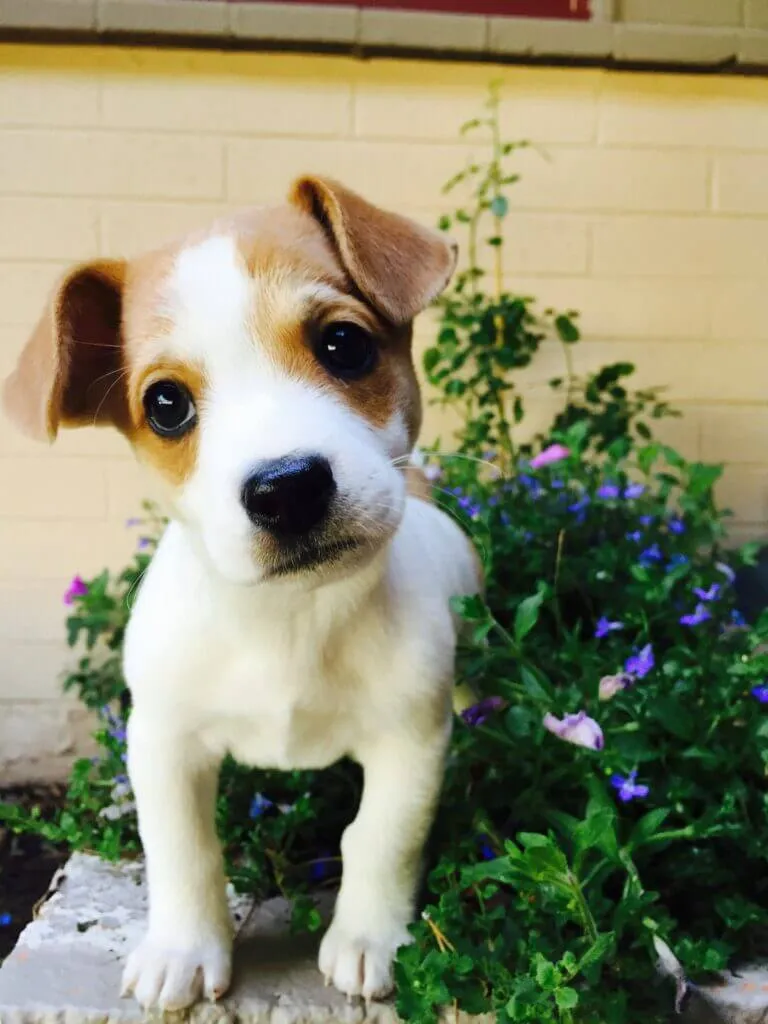 Puppy standing by blue flowers
Continuing Training Beyond 10 Weeks
Training is an ongoing journey for dogs. At 10 weeks, your puppy is building a foundation through positive socialization experiences. Continue reinforcing toilet training, sleep training, and introduce basic commands. Teaching them to cope with being home alone is also important.
Finding a puppy socialization class that uses positive reinforcement training is a crucial next step. Organizations adhering to the UK Dog Charter ensure kind and effective training methods.
The 10-week puppy schedule emphasizes socialization, toilet training, sleep, play, and managing chewing behaviors. Establishing a routine simplifies life for both puppy and owner. For a detailed week-by-week schedule up to four months, explore our resources or consider a puppy harness. The Zigzag app offers a science-backed program tailored to your puppy’s developmental stage, with support from experienced puppy trainers available seven days a week.
