
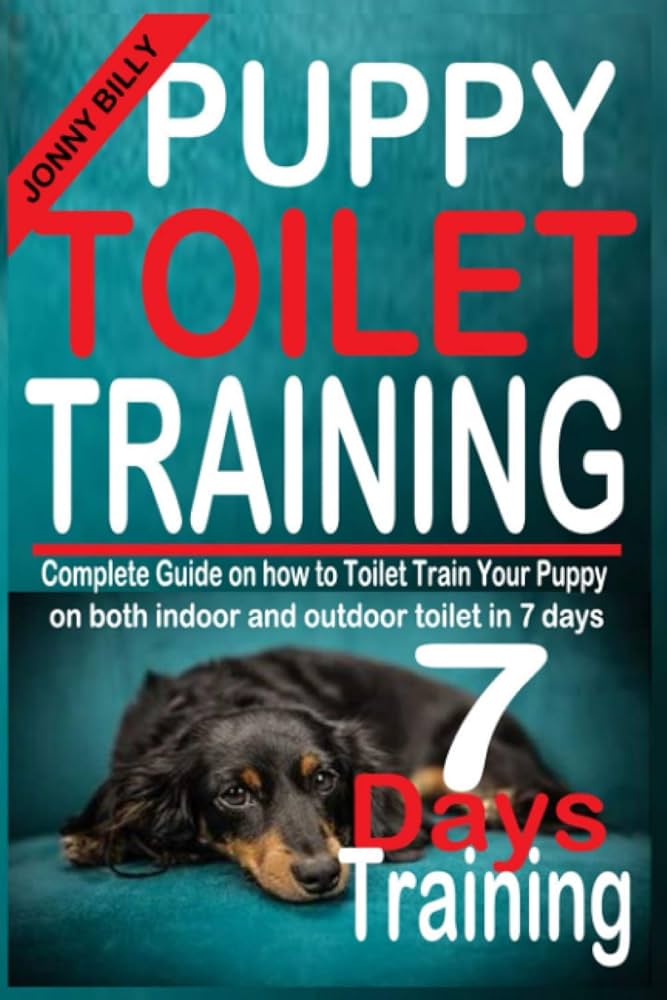
Toilet training your dog is a fundamental aspect of responsible pet ownership. It’s a process that requires patience, consistency, and a clear understanding of your dog’s needs and behavior. Whether you have a new puppy or an older dog needing a refresher, this guide will walk you through the essential steps to establish good potty habits. We’ll cover everything from understanding your dog’s signals to establishing a routine and troubleshooting common issues. Mastering [How To Toilet Train A Dog] is key to a harmonious life with your canine companion.
Understanding Your Dog’s Potty Signals
Before you can effectively toilet train your dog, it’s crucial to recognize when they need to go. Dogs often exhibit subtle (and sometimes not-so-subtle) cues when they need to relieve themselves. These can include:
- Circling: Many dogs will spin in a circle before squatting.
- Sniffing intensely: They might be searching for the perfect spot or trying to orient themselves.
- Whining or barking: Some dogs will vocalize to let you know they need to go out.
- Pacing or restlessness: Anxious or uncomfortable dogs may pace.
- Going to the door: This is a clear sign they want to be let outside.
- Sudden stop in play: They might pause their activity to focus on needing to go.
Recognizing these signs allows you to intervene proactively, preventing accidents indoors and reinforcing the desired behavior of going outside. For puppies, their bladders are smaller, so they will need to go out more frequently, often after waking up, after playing, and after eating.
Establishing a Consistent Routine
Consistency is the cornerstone of successful dog toilet training. Dogs thrive on routine, and establishing a predictable schedule for potty breaks will help them understand expectations.
For Puppies:
- Immediately upon waking: Take your puppy outside first thing in the morning.
- After naps: Another potty break is needed shortly after they wake from a nap.
- After meals and drinking: About 15-30 minutes after they eat or drink.
- After playtime: Especially vigorous play sessions can stimulate the need to go.
- Before bedtime: A final trip outside to empty their bladder before settling in for the night.
- Throughout the day: Young puppies may need to go out every 1-2 hours. As they mature, this interval can gradually increase.
For Adult Dogs:
While adult dogs generally have better bladder control, a consistent schedule is still vital. Aim for at least 3-4 scheduled potty breaks throughout the day, including first thing in the morning, after meals, and before bed. If your dog is accustomed to a certain routine, try to replicate it as closely as possible. If accidents happen, it might indicate a need to adjust the schedule or address underlying issues.
Choosing a Potty Spot
Designate a specific area in your yard where you want your dog to do their business. Taking them to the same spot each time can help them associate that location with elimination. Once they’ve finished, offer immediate praise and a small treat. This positive reinforcement is crucial for associating the act with a reward.
Positive Reinforcement: The Key to Success
Positive reinforcement is far more effective than punishment when toilet training a dog. Rewarding desired behavior encourages your dog to repeat it.
- Praise and Treats: The moment your dog finishes urinating or defecating in the designated spot, offer enthusiastic praise and a high-value treat. Make it a party! This immediate reward helps them connect the action with something positive.
- Timing is Everything: The reward must come immediately after they finish. If you wait too long, they won’t understand what they’re being praised for.
- Avoid Punishment: Scolding or punishing your dog after an accident, especially if you didn’t catch them in the act, is counterproductive. They won’t understand why they’re being punished and may become fearful of eliminating in front of you, even outdoors. This can lead to them hiding accidents or developing anxiety around potty breaks.
Handling Accidents
Accidents are an inevitable part of the toilet training process, especially with puppies. The key is to react calmly and learn from them.
- If You Catch Them in the Act: Make a noise to interrupt them (a sharp “oops!” or a clap), then immediately whisk them outside to their designated potty spot. If they finish outside, praise them generously.
- If You Discover an Accident Later: Do not punish your dog. They have no association between the accident and your reaction. Simply clean it up thoroughly.
- Cleaning Up Properly: Use an enzymatic cleaner specifically designed for pet stains. These cleaners break down the odor-causing molecules, preventing your dog from being attracted back to the same spot. Regular household cleaners may mask the smell for you, but your dog can still detect it.
Crate Training for Toilet Training
Crate training can be an incredibly effective tool for toilet training, particularly for puppies. Dogs have a natural instinct not to soil their den.
- Proper Crate Size: The crate should be just large enough for your dog to stand up, turn around, and lie down comfortably. If it’s too large, they might use one end as a toilet and the other as a sleeping area. You can use dividers for growing puppies.
- Scheduled Outings: When using a crate, take your dog out immediately after they are released. This is because they likely need to relieve themselves.
- Short Durations: Puppies should not be left in a crate for extended periods. As a general rule, a puppy can hold it for approximately their age in months, plus one hour (e.g., a 3-month-old puppy can hold it for about 4 hours). Never use the crate for punishment.
Housetraining Older Dogs and Rescues
The principles of toilet training remain the same for older dogs and rescues, but there might be additional considerations.
- Patience is Paramount: Older dogs may have ingrained habits or underlying medical issues that need to be addressed. Rescued dogs might have had negative experiences with potty training in the past.
- Veterinary Check-up: It’s always wise to rule out any medical conditions that could cause incontinence or frequent urination, such as urinary tract infections (UTIs), kidney disease, or diabetes.
- Establishing Trust: Focus on building trust and a positive relationship. Use positive reinforcement consistently.
- Observe Carefully: Pay close attention to their behavior and signals. They may have different ways of communicating their needs compared to a puppy.
Troubleshooting Common Toilet Training Issues
Despite your best efforts, you might encounter a few bumps in the road. Here are some common issues and how to address them:
Submissive Urination
This is when a dog urinates involuntarily in situations involving excitement, greeting, or perceived intimidation. It’s more common in puppies and can sometimes occur in rescue dogs.
- Solution: Avoid direct eye contact, looming over the dog, or overly enthusiastic greetings. Greet them calmly at their level, and let them approach you. As they gain confidence, this behavior often decreases.
Excitement Urination
Similar to submissive urination, but triggered by general excitement, not necessarily fear.
- Solution: Manage excitement levels. Keep greetings calm and controlled. Practice commands like “sit” when excited. Gradually expose them to more stimulating situations as they learn to control their bladder.
Marking Behavior
This is usually scent-marking with urine, often in adult dogs, and can occur both indoors and outdoors.
- Solution: If marking indoors, thoroughly clean the area with an enzymatic cleaner. Consider neutering or spaying, as this can reduce marking behavior. Ensure they are getting enough opportunities to eliminate outdoors. If the behavior persists, consult a professional trainer or veterinarian.
Incomplete Emptying
Sometimes dogs may not fully empty their bladder when taken out.
- Solution: Ensure they are spending enough time outside. Try taking them to a different spot or engaging them in a short play session to encourage full emptying. If this is a persistent problem, a vet check is advisable.
When to Seek Professional Help
Most dogs can be successfully toilet trained with patience and consistency. However, if you are struggling significantly, or if you suspect an underlying medical or behavioral issue, don’t hesitate to consult professionals:
- Veterinarian: Essential for ruling out any medical conditions that could affect bladder control.
- Certified Professional Dog Trainer (CPDT): A trainer can provide personalized guidance, assess your dog’s behavior, and offer tailored strategies for [toilet training dogs puppies] and adults alike.
- Veterinary Behaviorist: For complex behavioral issues, such as severe anxiety or aggression related to training.
Toilet training is a journey, not a race. By understanding your dog, establishing a solid routine, employing positive reinforcement, and staying consistent, you can help your dog become reliably housetrained. Remember that every dog learns at their own pace, and celebrating small victories will make the process more enjoyable for both of you.
