
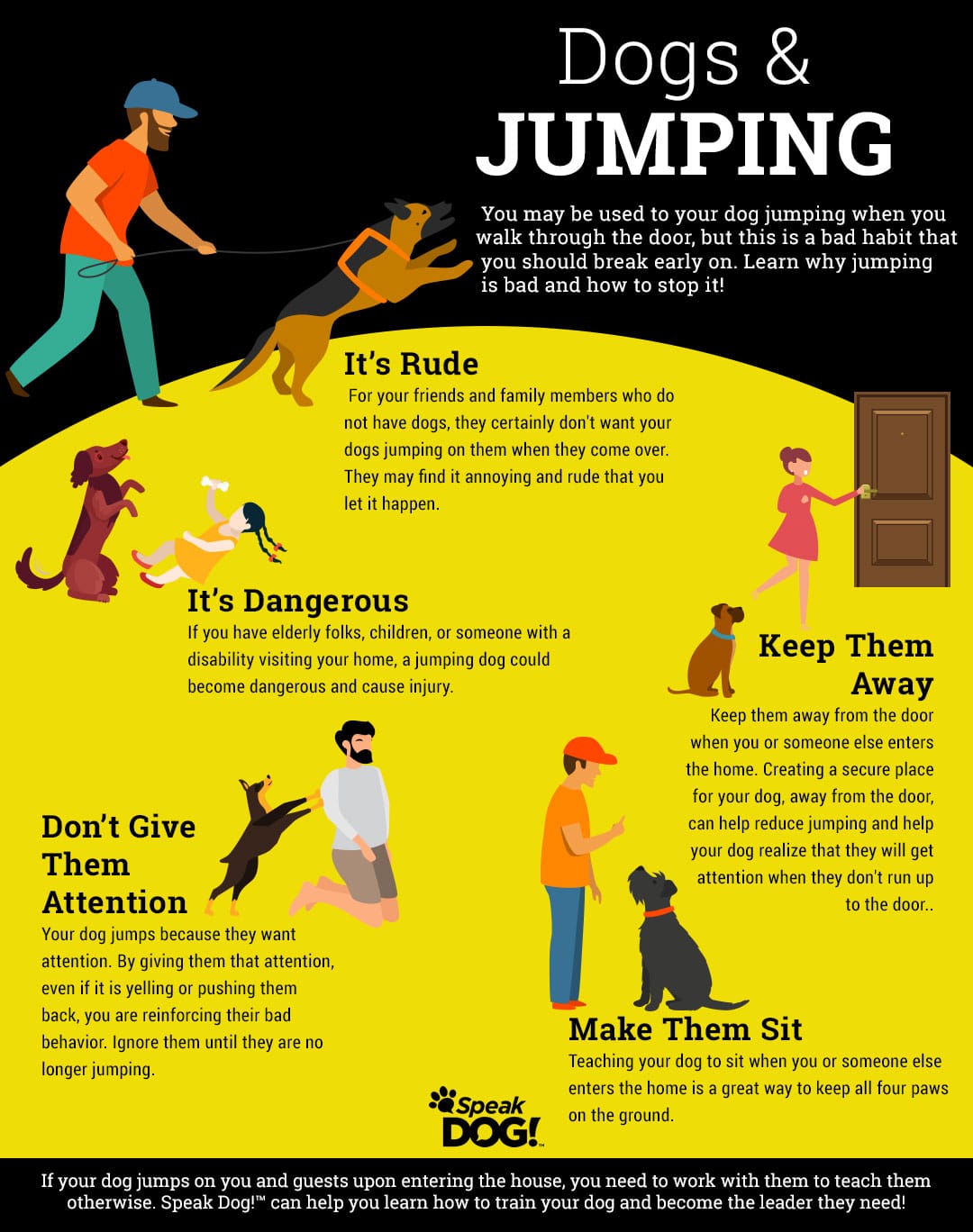
Jumping up on people is a common dog behavior that many owners struggle to manage. This guide will help you understand why dogs jump and provide effective methods to train your dog to stop this behavior, ensuring more pleasant interactions for everyone.
Understanding Why Dogs Jump
Dogs often jump for a variety of reasons, stemming from their natural instincts and how they interact with each other and humans. When dogs greet each other, they might jump up as a form of enthusiastic hello. For puppies, jumping is also a way to reach their mother’s mouth to stimulate feeding. While these reasons are natural for dogs, for humans, especially when we’re standing upright, this behavior can be perceived as rude or even intimidating. It’s crucial to recognize that dogs don’t inherently understand our social cues; we need to teach them the behavior we desire.
The Importance of Rewarding Desired Behaviors
A fundamental principle in dog training is rewarding the behaviors you want to see. This is often referred to as “celebrating” your dog’s good actions. If your dog sits, comes when called, or makes eye contact, rewarding these actions with praise or treats helps them understand what pleases you. This consistent positive reinforcement is key to shaping desirable behavior patterns and building your dog’s confidence. Many behavior problems, including jumping, arise when owners focus solely on stopping unwanted behaviors without actively teaching and rewarding the preferred alternatives.
Effective Training Techniques
1. Reward Calm Greetings
One of the most effective ways to stop a dog from jumping is to teach them an alternative behavior, such as sitting, when greeting people. When someone approaches, ask your dog to sit. If they remain seated and calm, they receive a reward. This teaches them that a polite sitting behavior earns positive attention.
2. Use a Marker Word and Hand Targeting
A marker word, like “yes” or a clicker, paired with a reward, helps your dog understand precisely which action earned the positive reinforcement. Hand targeting, where your dog touches their nose to your hand, can be a useful exercise. Practicing this consistently, especially at the door when you arrive home, can redirect their energy from jumping to a desired behavior.
3. Implement “Celebration” Consistently
When your dog offers a desired behavior, such as sitting, lying down, or making eye contact, make a conscious effort to acknowledge and reward it. This consistent “celebration” of good actions reinforces the behavior and makes it more likely to occur in the future. It requires conscious effort, but the positive impact on your dog’s behavior is significant.
4. Creative Exercise and Enrichment
High-energy dogs often exhibit jumping behaviors due to pent-up energy. Providing sufficient physical and mental stimulation is vital. Incorporate puzzle feeders, snuffle mats, and scent games into your dog’s routine. Engaging in enrichment activities helps to deplete excess energy, leading to a calmer and better-behaved dog. A well-exercised dog is more likely to be a well-behaved dog.
Preventing Jumping in the Future
Stopping jumping requires a consistent plan and patience. Teaching your dog alternative behaviors, like greeting politely, is more effective than solely punishing jumping. Consider this as teaching your dog “greeting manners.”
For persistent jumping issues, rewarding your dog for offering an incompatible behavior is a great starting point. This involves teaching your dog a specific behavior that they cannot do at the same time as jumping. For instance, teaching them to go to their mat when guests arrive.
Implementing Training at Home
Practice is key, especially in the situations where the unwanted behavior typically occurs. If your dog jumps on guests, practice the greeting exercise multiple times a day when no guests are present. This helps them build the new behavior pattern. It can take up to three months for a dog to fully develop or change a behavior pattern, so consistent practice over time is essential.
When introducing guests, choose friends or family members who understand your training goals and can follow your instructions. Cooperative helpers are invaluable when modifying your dog’s behavior.
Conclusion and Next Steps
Training your dog to stop jumping on people is achievable with the right approach. By understanding the root causes of jumping, consistently rewarding desired behaviors, and implementing effective training techniques, you can foster a calmer and more respectful relationship with your canine companion. Remember that patience and persistence are your greatest allies in this training journey. If you’re facing significant challenges, don’t hesitate to seek professional guidance from a certified dog trainer.
