
Bringing a new kitten into your home is an exciting time, but it often comes with unique challenges, particularly when it comes to training. Kittens, with their boundless energy and developing senses, can sometimes express themselves through nipping and scratching. Understanding why this happens and how to redirect this behavior is key to fostering a harmonious relationship. This guide will provide essential kitten training tips to help you manage and correct these common issues, ensuring your feline friend grows into a well-behaved companion.
The first few weeks with a new kitten are crucial for establishing trust and clear communication. While playful swatting and nipping are normal parts of kitten development as they learn about their environment and boundaries, it’s important to guide them towards more appropriate behaviors. This process requires patience, consistency, and a deep understanding of a kitten’s perspective. By putting yourself in their paws, you can better comprehend their actions and effectively teach them right from wrong. This approach not only helps in managing unwanted behaviors but also strengthens the bond between you and your new pet.
It is essential to approach these training moments with a calm and consistent demeanor. When a kitten nips or scratches, reacting with anger or frustration can inadvertently escalate the situation, making them more anxious or defensive. Instead, a firm yet gentle approach is recommended. Clearly communicate your disapproval and then provide them with the space and time they need to calm down. This teaches them that biting and scratching lead to the withdrawal of attention, a consequence most kittens would prefer to avoid.
Understanding Kitten Behavior: Why the Nipping and Scratching?
Kittens explore the world with their mouths and claws. Playful biting and scratching are natural behaviors that help them develop coordination, hunt, and interact with their littermates and mother. However, when these behaviors are directed at humans, they can be painful and undesirable. It’s important to remember that kittens often don’t understand their own strength or that their actions can hurt us.
One of the primary reasons for nipping and scratching can stem from a kitten feeling insecure or anxious. Just as in the wild, a cat might lash out if it perceives a threat. This could be due to various factors such as the presence of a rival cat in their territory, a new person entering the household, or even a change in their environment. When kittens feel unsafe, they may exhibit defensive behaviors like biting.
Additionally, underlying health issues can sometimes contribute to sudden aggression. If you notice a significant and uncharacteristic increase in biting or scratching, it’s always a good idea to consult with a veterinarian. Pain or discomfort can make a kitten more prone to feeling defensive and reactive. Ensuring your kitten is healthy is a fundamental aspect of responsible pet ownership and can significantly impact their behavior.
Effective Techniques for Training Kittens
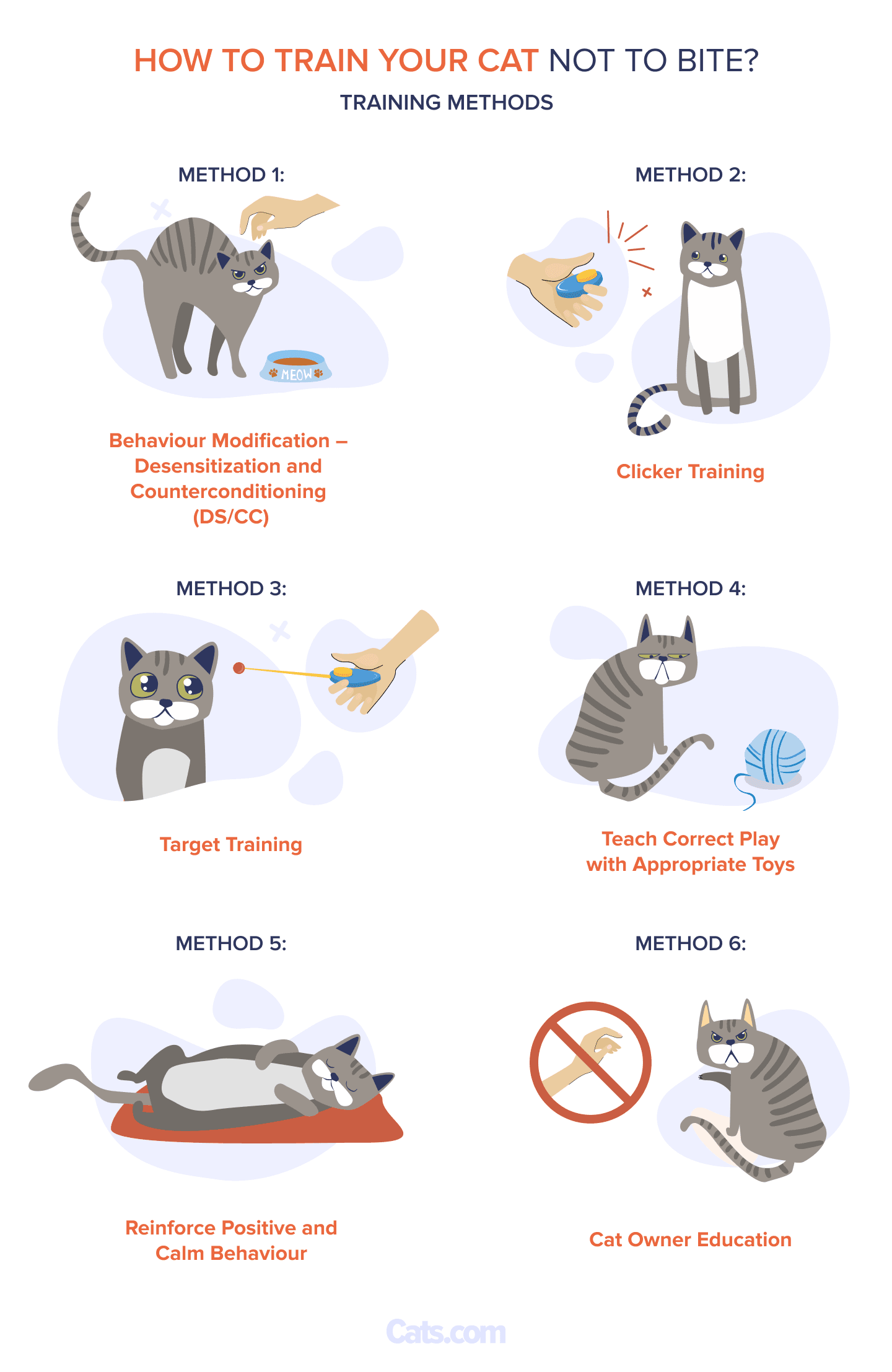
When a kitten bites or scratches during play, it’s crucial to respond immediately and consistently. A sharp, high-pitched “ouch!” can startle them and signal that they’ve hurt you. This mimics the reaction of another kitten in a litter and helps them understand the impact of their actions. Following this, withdraw your attention by stopping the play and gently moving your hand away. This teaches them that biting or scratching means the fun stops.
It’s also beneficial to redirect their energy and natural instincts towards appropriate outlets. Provide a variety of toys that mimic prey, such as feather wands or small plush mice. Encourage them to play with these toys instead of your hands or feet. How to teach a kitten not to scratch furniture can be a helpful resource here, as it offers strategies for channeling their scratching needs onto acceptable surfaces like scratching posts.
Consistency is paramount in kitten training tips. Ensure all members of the household follow the same training methods. When a kitten exhibits unwanted behavior, everyone should react in a similar manner. This clarity helps the kitten learn boundaries more quickly. Positive reinforcement is also highly effective. When your kitten plays gently or uses their scratching post, offer praise and a small treat to reward the desired behavior.
Creating a Secure and Stimulating Environment
A secure and enriching environment is fundamental to preventing behavioral problems in kittens. Ensure your kitten has access to basic necessities: nutritious food, fresh water, a clean litter box, and comfortable resting spots. Providing a dedicated scratching post is essential for satisfying their natural urge to scratch and mark territory. Offering a variety of toys also keeps them mentally stimulated and physically active, reducing boredom that can lead to destructive behaviors.
Making your kitten feel safe and loved is crucial for their emotional well-being. Spend quality time with them through gentle petting, playing, and grooming. If your kitten is showing signs of insecurity, such as hiding or being easily startled, try to create a calm and predictable routine. Minimize loud noises and sudden movements, and allow them to approach you on their own terms. Building trust and a sense of security can significantly reduce anxious biting and scratching. How to train a kitten not to bite offers further insights into managing these specific issues.
Regularly trimming your kitten’s claws can also be a proactive measure. While it doesn’t eliminate the need for training, it can make any accidental scratches less painful for you. This practice, combined with providing appropriate scratching surfaces, helps manage their claws effectively. Remember, a happy and secure kitten is less likely to exhibit problem behaviors. How to train a cat to stay indoors is also a relevant topic for ensuring their safety and well-being.
In conclusion, training a kitten to manage nipping and scratching requires a blend of understanding, patience, and consistent application of positive reinforcement techniques. By providing a secure environment, redirecting their natural behaviors, and responding calmly and consistently, you can successfully guide your kitten towards becoming a well-adjusted and affectionate pet. Remember, the journey of training is an ongoing process that strengthens the bond between you and your feline companion, making your shared life more enjoyable for everyone.
