
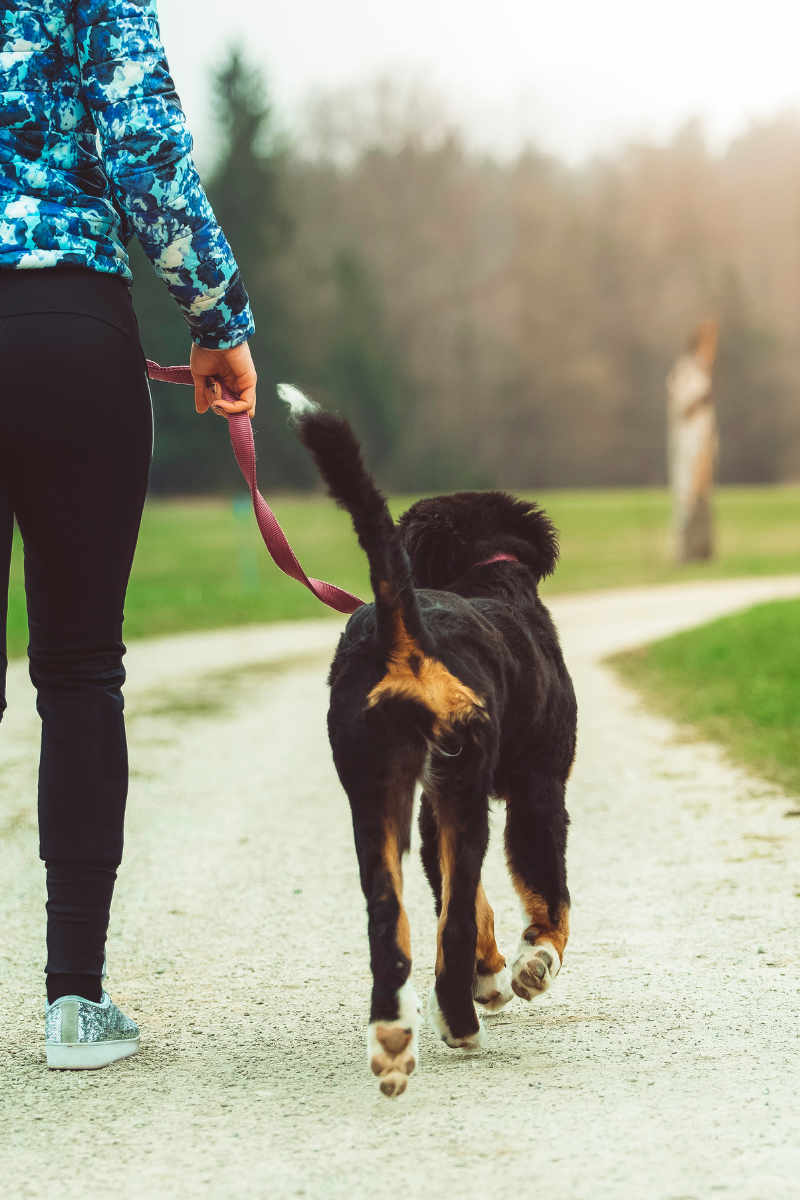
Training your dog to walk politely on a leash is a fundamental aspect of responsible dog ownership. It transforms walks from a challenging tug-of-war into an enjoyable shared experience. This guide focuses on effective leash training techniques to ensure your dog walks happily by your side, responding to your cues and maintaining a comfortable pace.
Leash training a puppy or an adult dog can be one of the most rewarding training endeavors. While it requires patience and consistency, the outcome—a well-behaved companion on walks—is well worth the effort. Mastering leash manners not only enhances your relationship with your dog but also ensures their safety and your comfort during outings. How to train a dog not to pull on lead is a crucial skill for both of you.
Preparing for Leash Training
Before you begin formal leash training, consider using tools that can help manage pulling. A head collar or a front-attachment harness can be effective in discouraging your dog from pulling ahead. These tools provide better control without causing harm, making the training process smoother. A front-attachment harness is a versatile and safe option for dogs of all sizes, while a head collar offers maximum control for dogs with strong pulling tendencies or those needing specialized handling. How to train a dog to stop pulling on lead often involves these helpful aids.
When using a head collar or front-attachment harness, it’s important to use a leash that is no longer than six feet. This prevents the dog from gaining enough momentum to injure themselves if they suddenly pull against the leash.
The Stop and Reward Method
A highly effective technique for leash training is the “stop and reward” method. This involves halting your forward movement whenever your dog pulls on the leash. When your dog returns to your side or the leash slackens, immediately reward them with a treat or praise. This method teaches the dog that pulling stops the fun, while walking nicely by your side results in positive reinforcement. Best way to stop your dog pulling on the lead often incorporates this principle.
Treats should be small, high-value rewards that your dog loves. If your dog is less motivated by food, other rewards like a favorite toy, a quick game of fetch, or enthusiastic praise can also be effective. A treat pouch worn at your waist is incredibly useful for quick access to rewards during training sessions.
Step-by-Step Leash Training
Dog leash training requires a structured approach. Follow these steps to guide your dog towards walking politely beside you:
Step 1: Making Walking Beside You Rewarding
Start by attaching a long, non-retractable leash (10-20 feet) to your dog’s harness in a familiar, low-distraction area like your backyard. Have small, tasty treats ready. Decide on which side you prefer your dog to walk (traditionally, the left side) and deliver treats on that side, close to your thigh.
Walk briskly and change directions randomly. When your dog is walking beside you, offer praise and a treat. As they improve, gradually reduce the frequency of treats for simply walking by your side. If your dog shows no interest, try again later when they are hungrier. Practice until your dog consistently stays near your preferred side.
Step 2: Encouraging Your Dog to Follow
Begin walking around your yard. When your dog strays or lags behind, use an upbeat voice and say “Let’s go!” accompanied by a tap on your thigh to get their attention. Turn and walk away from your dog.
When your dog catches up, reward them with praise and a treat delivered to your preferred side. Continue rewarding with treats every few steps if they maintain their position. If the leash becomes tight and your dog doesn’t come towards you, apply gentle leash pressure as a reminder. Release the pressure as soon as they move towards you, and then reward them. Practice until your dog readily returns to your side after hearing “Let’s go.”
Step 3: Scheduled Sniff and Potty Breaks
It’s important to allow your dog time to sniff and relieve themselves. During training, designate specific times for these activities. Approximately every five minutes, or when you would typically offer a treat, say “Go sniff” and allow your dog leash time to explore or potty. This becomes a privilege. If your dog pulls during this break, say “Let’s go” and walk in the opposite direction, ending the break.
Step 4: Refining Leash Manners with a Shorter Leash
Transition to a shorter leash (six feet) while continuing the training from the previous steps. Practice walking at varying speeds, stopping abruptly, and changing directions. Reward your dog for staying by your side during these exercises.
Begin to decrease rewards for simply walking beside you in normal situations. Instead, focus rewards on times when your dog successfully navigates distractions, changes in pace, or direction, especially when encountering other dogs or people.
Transitioning to the Outdoors
Once your dog is performing well in a controlled environment, gradually introduce outdoor walks. Apply the same techniques used in your yard, but be prepared for increased distractions like strangers, squirrels, and other dogs. Using a front-attachment harness or head collar can provide extra security. Continue using high-value treats and the “stop and reward” method. Remember to grant sniff breaks as a reward for good behavior. My dog will not stop pulling on the lead becomes less of an issue with consistent practice.
Challenging Your Dog
Introduce challenges to strengthen your dog’s focus. With your dog on a standard harness and six-foot leash, toss a ball or treat 20 feet away. If your dog pulls towards it, use “Let’s go” and walk in the opposite direction. If they walk beside you towards the object, allow them to reach it as a reward. Start with less desirable objects or a longer leash to make this exercise easier initially.
Troubleshooting Common Issues
- Crossing in Front: If your dog repeatedly crosses in front of you, shuffle your feet or stomp slightly to make your presence more noticeable.
- Lagging Behind: If your dog lags significantly, they might be fearful or unwell. Use encouragement rather than pulling. If lagging is for sniffing or pottying, continue walking with gentle leash pressure and reward them for walking with you.
- Inconsistent Walking: If your dog alternates between walking nicely and pulling, stop rewarding the act of returning to your side after pulling. Instead, focus rewards on a longer sequence of consecutive steps taken by your side.
Heeling: A Specific Skill
Heeling is a useful command for short periods when you need your dog very close and attentive, particularly when navigating distractions. Start by placing a treat in your fist and letting your dog sniff it. Say “Let’s go” and take a few steps, keeping the treat near your thigh. Praise and reward when your dog follows your fist with their nose.
Progress to using an empty fist, continuing to praise and reward. Gradually increase your expectations, using your closed fist as a hand signal for “heel.” Practice this both indoors and in more distracting environments.
Consistent training, positive reinforcement, and a clear understanding of your dog’s needs are key to successful leash training. By implementing these strategies, you can foster a more enjoyable and harmonious walking relationship with your canine companion. Consider exploring leash training aids to further support your efforts.
