
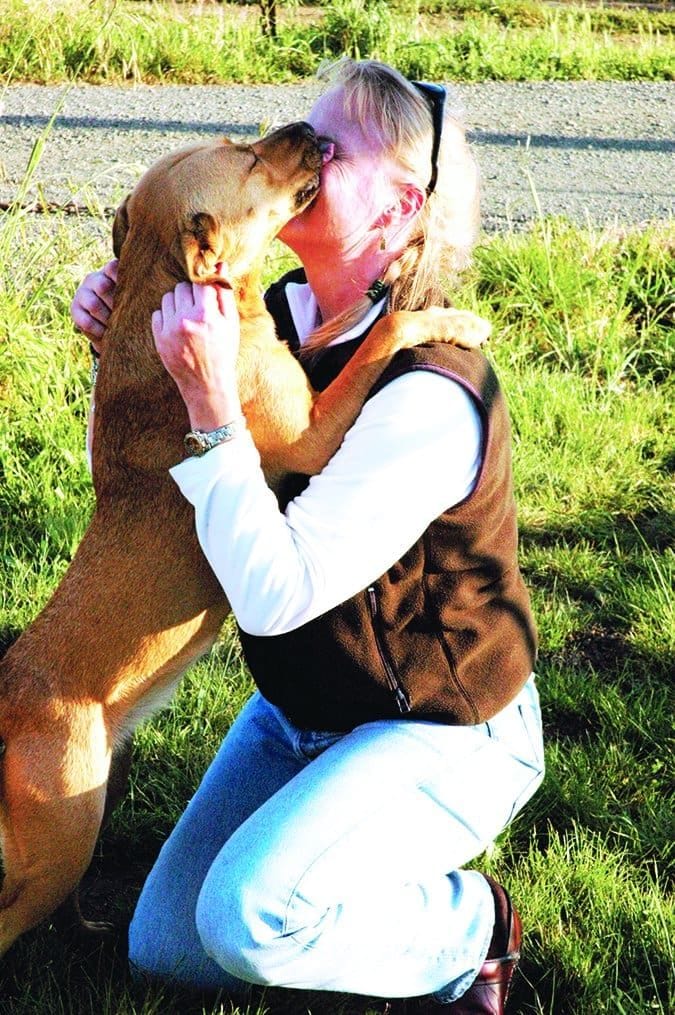
The enthusiastic welcome from our canine companions is a cherished part of dog ownership. However, when this exuberance involves a full-body leap, especially from larger breeds, it can be overwhelming for guests and a behavior that needs gentle redirection. This guide will delve into the natural reasons behind a dog’s jumping, emphasize the importance of curbing this habit, and provide practical strategies to teach your dog more appropriate greeting manners.
Understanding Why Dogs Jump
Jumping is an innate greeting and play behavior for dogs, deeply ingrained in their social instincts. While their intentions are usually friendly, not everyone appreciates this lively display, making it crucial for owners to guide their dogs toward more subdued and respectful ways to acknowledge people. Teaching your dog not to jump is a fundamental aspect of responsible pet ownership and contributes to a harmonious living environment.
The Power of Leading by Example
The first and most crucial step in addressing your dog’s jumping is to be a consistent role model. If you permit your dog to jump on you, they may become confused about what is acceptable behavior around others. This inconsistency can hinder their learning process and perpetuate the jumping habit. Therefore, establishing clear boundaries and expectations from the outset is vital.
Effective Techniques to Train Your Dog to Avoid Jumping
Make Greetings Calm and Controlled
When you return home, your dog’s excitement is palpable. The key is to manage this energy. Instead of immediately engaging with an overexcited dog, ignore them until they have visibly calmed down. This means refraining from talking, touching, or even making eye contact until their jumping subsides. Once they exhibit calmer behavior, you can greet them at their level. This approach should be consistently applied to all who enter your home, reinforcing the desired greeting behavior.
Reward Desired Behavior
Positive reinforcement is a cornerstone of effective dog training. Actively acknowledge and reward your dog when they choose not to jump. This positive attention can manifest as praise, a favorite treat, or a brief play session with a favored toy. Conversely, if your dog does jump, calmly turn away, withdrawing all attention. This teaches them that jumping leads to a lack of interaction, while calm behavior garners positive responses. This method helps solidify the connection between appropriate greetings and rewards. For more on managing specific greeting challenges, you might find resources on how to teach your dog to not jump up beneficial.
Set Your Dog Up for Success
Proactive training is essential. Anticipate situations where your dog is likely to jump and implement preventative measures. This could involve keeping your dog on a leash or in a separate area when guests are expected. Once your dog has had a moment to settle and their initial excitement has waned, invite your guests to interact with your dog at their level. This is particularly important for larger breeds to prevent any accidental, and potentially startling, knocks. Understanding how to teach dog not to jump on guests can significantly improve your dog’s social interactions. Consistent training is key; consider methods on how to teach dog not to jump on strangers to broaden their polite greeting skills.
Reinforce Polite Behavior with Different Anchors
Beyond basic calmness, reinforcing specific polite actions is crucial. When your dog greets someone without jumping, offer immediate praise and a small reward. This positive association will strengthen the desired behavior. For instance, if your dog offers a sit during a greeting, reward that sit specifically. This teaches them alternative, acceptable ways to show affection and excitement. Mastering how to teach dog to not jump on people involves consistent practice and positive reinforcement. Remember that every interaction is a training opportunity. For more advanced techniques, exploring how to teach dog not to jump up on people can offer further insights. The goal is to create a situation where polite greetings are the norm.
Conclusion: Cultivating Respectful Companions
Mastering the art of polite greetings is an integral part of responsible dog ownership. By understanding your dog’s natural behaviors, providing consistent leadership, and employing positive reinforcement strategies, you can effectively guide your canine companion to greet others in a manner that is both joyful and respectful. This journey requires patience and dedication, but the reward is a well-mannered dog that enhances, rather than complicates, social interactions.
Follow us on Facebook, Instagram and Twitter for the latest news and tips on canine behavior and training.
