
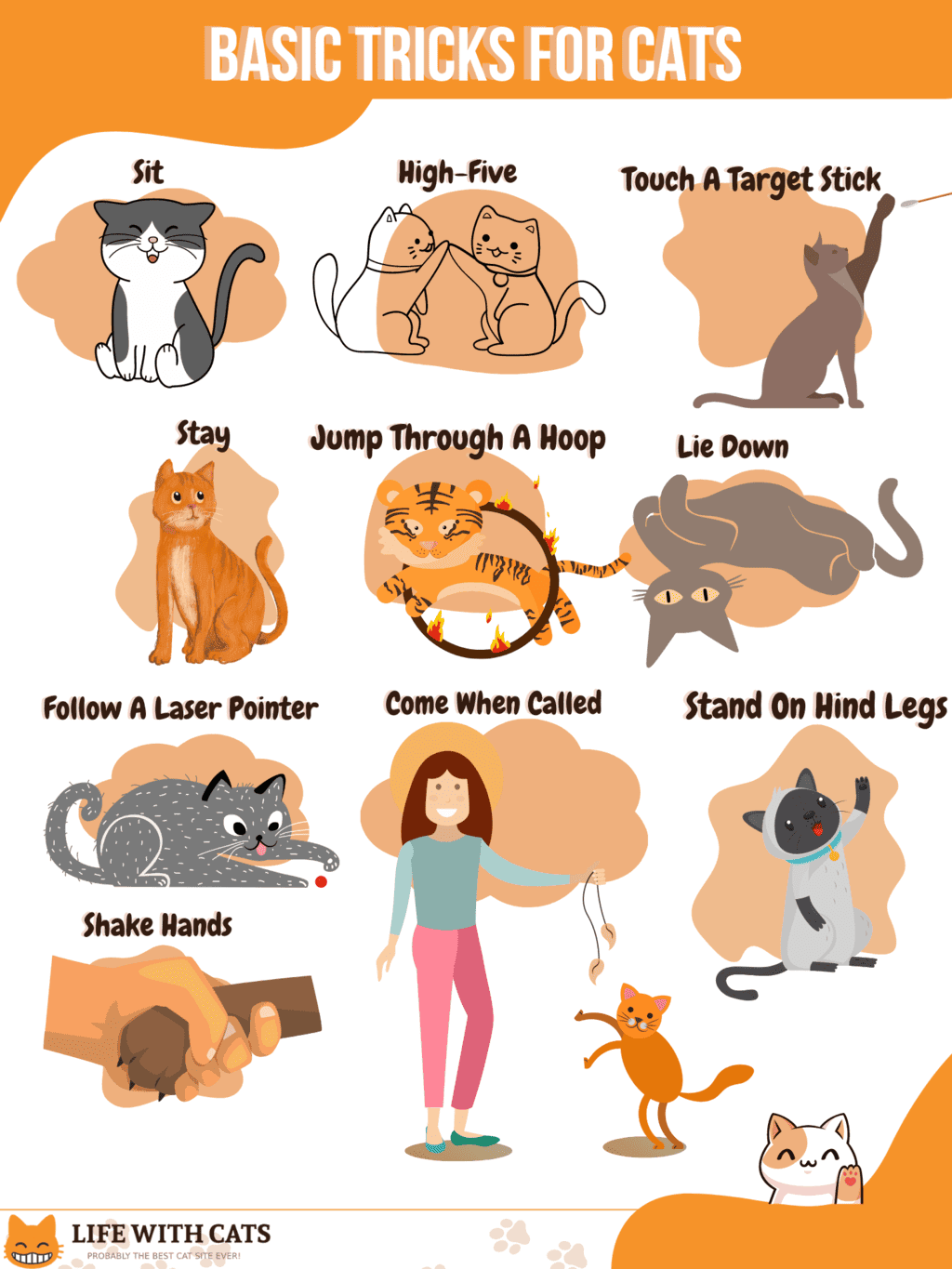
Training a cat to respond to commands might seem like a far-fetched idea, often overshadowed by the trainability of dogs. However, with a good dose of patience and the allure of tasty treats, you can indeed teach your feline companion a variety of actions, including the useful command to sit. This skill can be incredibly beneficial, aiding in tasks such as introducing grooming routines, getting your cat accustomed to handling, and even ensuring they remain still while you prepare their meals. This guide will walk you through the process of training your cat to sit using positive reinforcement and treats.
Essential Supplies for Cat Training
Before you begin, ensure you have the following:
- A physically capable and confident cat: While older or unwell cats might find certain training methods challenging, most healthy and energetic cats can participate.
- A quiet training environment: Choose a room with minimal distractions to help your cat focus.
- Tasty, quick-to-eat treats: Opt for treats that don’t require extensive chewing, allowing for faster reward delivery.
- Patience: This is perhaps the most crucial element in any animal training.
The 11 Steps to Teach Your Cat to Sit
Follow these steps to guide your cat into a seated position on command:
- Prepare the Treat: Hold a small, desirable treat between the tip of your index finger and thumb, with your palm facing upwards.
- Initial Positioning: Stand or kneel in front of your cat. Present the treat about one to two centimeters away from their nose. Adjust your position to ensure you aren’t looming over them, which might cause discomfort.
- Lure the Gaze: Slowly raise the treat directly upwards from your cat’s nose. Your cat should naturally follow the treat’s movement with their eyes, looking upwards.
- Guide into a Sit: As you continue to raise the treat approximately five centimeters, begin to slowly move it a short distance back towards your cat’s tail. As they follow the treat with their gaze, their hindquarters should naturally lower into a seated position. Be patient; it might take a few moments for them to understand. Keep the treat in position until they sit.
- Reward and Reset: The instant your cat sits, praise them with a clear “yes!” and immediately give them the treat. If your cat is adept at following the lure, you can toss the treat a short distance away to encourage them to stand and reset, ready for the next repetition. If not, simply give them the treat, then reposition yourself to encourage them to stand so you can start again.
- Reinforce the Behavior: Repeat steps one through five a few times, ensuring consistent success. This helps your cat learn that sitting on command leads to a positive reward. Teaching your cat to sit can be a foundational step in their training journey.
- Transition to Hand Signal: Once your cat reliably follows the treat lure, begin to adapt your hand movement. Hold the treat-filled hand in front of your cat and then flick your wrist upwards to signal the sit command. Reward with “yes!” and the treat upon successful execution.
- Reduce Treat Dependency: As your cat masters the wrist flick signal, gradually reduce your reliance on visible treats. Go through the motions of reaching into your treat pouch or bowl, but without actually taking a treat out. Present your hand in the same manner. If your cat sits, say “yes!” and then provide a treat from the pouch. Consistent rewards are key.
- Visual Cue Mastery: After a few successful repetitions with the “pretend” treat, present your hand without any pretense of holding a treat. Ideally, your cat will still respond to the hand signal alone. Remember to follow up with “yes!” and a real treat.
- Introduce Verbal Cue: Now, pair the visual cue with a verbal command. About a second before you give your usual hand signal, say your chosen cue word. This could be any word, as your cat will associate the sound with the action. Words like ‘sit,’ ‘down,’ or even something whimsical like ‘banana’ will work. After several repetitions, your cat will begin to anticipate the hand signal by sitting when they hear the cue word. This is a crucial step in teaching your cat to sit.
- Increase Difficulty: Once your cat reliably sits on both visual and verbal cues, you can start increasing the distance from which you give the command. You can also encourage them to remain in the seated position for longer durations.
Training Session Tips and Troubleshooting
- Keep Sessions Short: Aim for training sessions to be no longer than three minutes at a time. Multiple short sessions throughout the day (e.g., three three-minute sessions) are more effective than one long one.
- Consistency is Key: You might see results within a week, but remember that every cat learns at its own pace. Some may take longer, and some may not master the trick at all.
- Patience and Positive Reinforcement: If you find yourself becoming frustrated, take a break. Never physically force your cat into a sitting position, as this can cause stress and lead to behavioral or health issues. Training should always be a fun and positive experience for both you and your cat.
- Respect Choices: Always ensure your cat has the choice to opt out of a training session if they seem uninterested or stressed.
By applying these methods consistently and with a positive attitude, you can successfully teach your cat to sit on command, strengthening your bond and enriching your shared experience. Remember, patience and understanding are paramount throughout the training process.
