
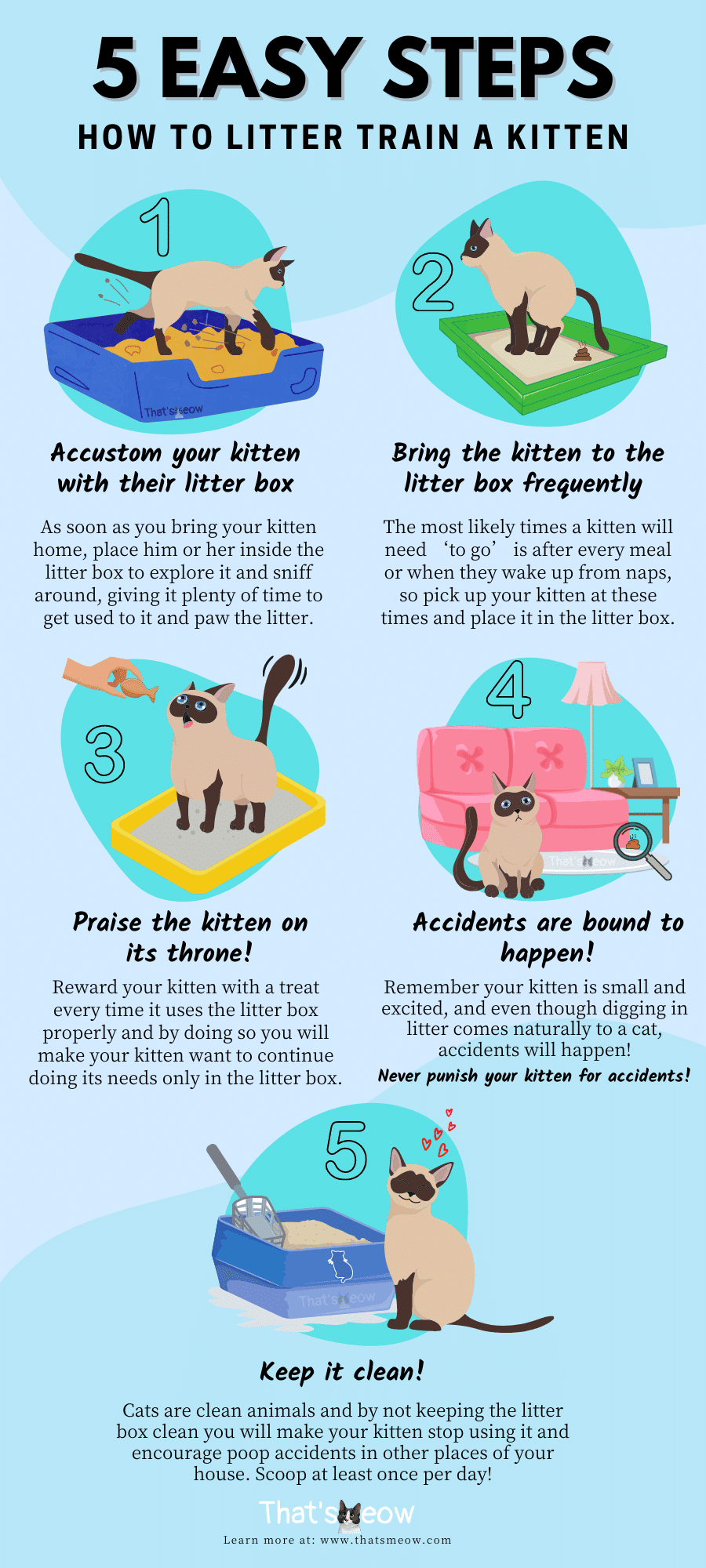
Bringing a new cat into your home is an exciting experience, and for many cat owners, the idea of a litter-free house is highly appealing. Toilet training a cat, while requiring patience and consistency, is an achievable goal. This comprehensive guide, adapted from expert advice, breaks down the process into seven manageable steps, ensuring a smooth transition for both you and your feline companion. Remember, the key to success lies in allowing your cat to set the pace.
Step One: Relocate the Litter Box
Begin by moving your cat’s current litter box to the bathroom, placing it directly beside the toilet. Ensure your cat is comfortable using the litter box in its new location. Leave it here for as long as it takes for your cat to acclimate.
Pro-Tip: Rushing this stage can lead to accidents elsewhere in your home, which can be difficult to correct. Observe your cat’s behavior and only proceed to the next step when they are fully at ease. Patience is paramount when toilet training a cat.
Step Two: Gradually Elevate the Litter Box
Once your cat is comfortable with the litter box next to the toilet, begin to gradually raise its height. Use sturdy, stable platforms like stacks of newspapers or phone books. Each time you add to the height, slightly reduce the amount of litter in the box.
Pro-Tip: Secure the litter box to the elevating platform to prevent it from shifting or tipping when your cat jumps on or off. This stability is crucial for maintaining your cat’s confidence.
Step Three: Position Over the Toilet
Continue moving the elevated litter box one inch closer to the toilet each day. The goal is to have the litter box directly above the toilet seat. Concurrently, continue to decrease the amount of litter until only a thin layer, no more than an inch deep, remains.
Step Four: Introduce a Training Box
Transition from the regular litter box to a specialized “training box” designed to fit over the toilet seat. You can purchase commercial training devices or create your own. One DIY method involves taping wax paper or an aluminum pan securely over the toilet seat, filling it with flushable litter, and then lowering the toilet seat to hold it in place.
Pro-Tip: To encourage your cat’s use of the training box, clean out the litter after each use and consider adding a small amount of catnip to the fresh litter. This can help create a positive association.
Step Five: Transition to the Toilet Bowl
Begin to gradually enlarge the opening in the wax paper or pan, starting with a small hole in the center. As the opening increases, simultaneously decrease the amount of flushable litter. The aim is for your cat to eventually eliminate directly into the toilet bowl with minimal or no litter present.
Step Six: Encourage Flushing (for You!)
After your cat has successfully used the toilet, it’s important for you to flush it immediately.
Pro-Tip: It is generally not recommended to teach your cat to flush the toilet themselves. While some cats can learn this skill, they may develop an affinity for flushing, leading to unnecessary water wastage.
Step Seven: Reward Success
Positive reinforcement is a critical component of successful toilet training. Offer your cat a treat or praise immediately after they have successfully used the toilet.
Pro-Tip: If your cat seems hesitant about the water in the bowl, adding a small amount of litter can help them associate the scent with their familiar litter box, easing their apprehension.
Toilet training a cat is a rewarding process that can enhance your home environment. By following these seven steps with patience and consistency, you can successfully guide your feline friend to use the toilet. Remember to always prioritize your cat’s comfort and adjust the pace as needed.
