
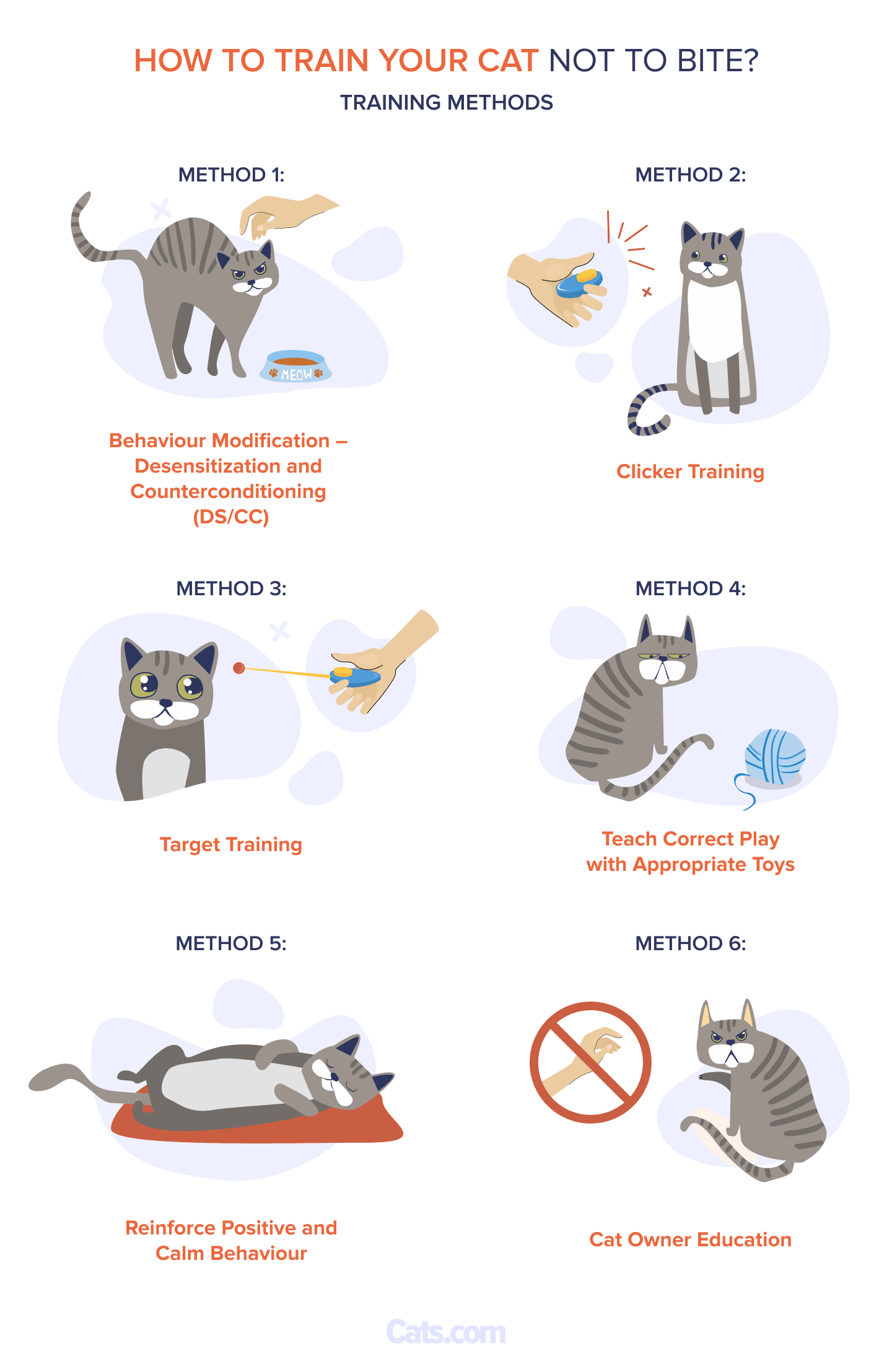
Cats communicate their feelings in various ways, from specialized meows to subtle body language. However, biting and scratching are two methods they might employ that can be concerning for pet parents. Whether it’s a kitten’s playful nips or an adult cat’s destructive scratching, understanding the root cause is key to addressing these behaviors positively. This guide explores common reasons behind feline biting and scratching and offers practical, humane solutions to encourage more desirable conduct.
Understanding Why Cats Bite
A cat’s biting behavior can stem from several factors:
- Fear: A cat may bite if it feels threatened or apprehensive about being handled.
- Lack of Stimulation: Insufficient opportunities for a cat to engage in natural behaviors can lead to a buildup of energy, manifesting as biting.
- Stress or Anxiety: Changes in the environment or excessive interaction can cause stress, leading to biting.
- Over-Excitement: If a cat has learned that biting is associated with play, it might continue this behavior, viewing it as part of the fun.
- Missed Signals: Cats communicate extensively through body language. If their initial signals are missed, they might resort to biting to express discomfort or a need.
- Discomfort or Pain: A sudden onset of biting, especially without an apparent trigger, could indicate an underlying health issue requiring veterinary attention.
Understanding Why Cats Scratch
Scratching is a natural and essential behavior for cats, serving multiple purposes:
- Claw Maintenance: Cats scratch to shed the outer husks of their claws, keeping them sharp for climbing and self-defense, mirroring their wild ancestors’ instincts.
- Scent Marking: Scratching deposits scent from glands in their paws, serving as a territorial marker, particularly in multi-cat households.
- Play and Exploration: Scratching can be a form of self-entertainment or a way for cats to explore different textures.
- Boredom Relief: When natural outlets for energy are lacking, cats may resort to scratching as a way to occupy themselves.
1. Prioritize Health Checks
Sudden behavioral changes, including increased biting or scratching, can signal an underlying health problem. If you notice a shift in your cat’s behavior, it’s crucial to consult your veterinarian. They can rule out any medical causes and, if necessary, recommend a feline behaviorist for persistent issues.
2. Foster a Calming Environment
Reducing stress and anxiety in your cat’s environment can significantly mitigate biting and scratching. Ensure all their fundamental needs are consistently met, including access to food, fresh water, a clean litter box, a comfortable resting space, and appropriate scratching outlets. Providing a secure hiding place where your cat can retreat when feeling overwhelmed can also help. Minimizing household noise and thoroughly cleaning areas that have been scratched (using pet-safe products) can reduce their inclination to return to those spots. Discussing the use of calming diffusers with your vet might also be beneficial.
3. Reward Gentle Behavior with Positive Reinforcement
Positive reinforcement is an effective method for teaching your cat desired behaviors. When your cat is calm, gentle, or chooses its scratching post over furniture, offer praise and rewards. Conversely, avoid reinforcing unwanted behaviors. If your cat bites or scratches for attention, withdrawing your attention during those moments removes the incentive. Learning about positive reinforcement training for cats can provide valuable strategies.
4. Encourage Sufficient Exercise
For cats with excess energy contributing to biting or scratching, establishing a daily exercise routine is essential. Aim for 10-15 minutes of interactive play each day. This not only helps expend pent-up energy but also strengthens the bond between you and your feline companion. Exploring ideas for games and DIY toys can help keep your indoor cat engaged and active, as detailed in articles about exercising your indoor cat.
5. Redirect Unwanted Behaviors
When you notice your cat about to bite or scratch furniture, redirect their attention. If they approach you to bite, offer a toy and engage them in play instead. If they start scratching furniture, gently guide them to their scratching post. Praising them when they use the post can gradually discourage destructive scratching. For more advanced training techniques, resources on how to teach kitten not to do something might offer further guidance. Understanding cat training kitten principles can also be helpful.
By understanding the underlying causes of biting and scratching and implementing these positive, consistent strategies, you can help your cat develop better habits and foster a more harmonious relationship. Exploring various cat tricks to teach can also be a fun way to engage your cat’s mind and energy. If you require further assistance, consider downloading the Joii Pet Care app to access veterinary advice from home.
