
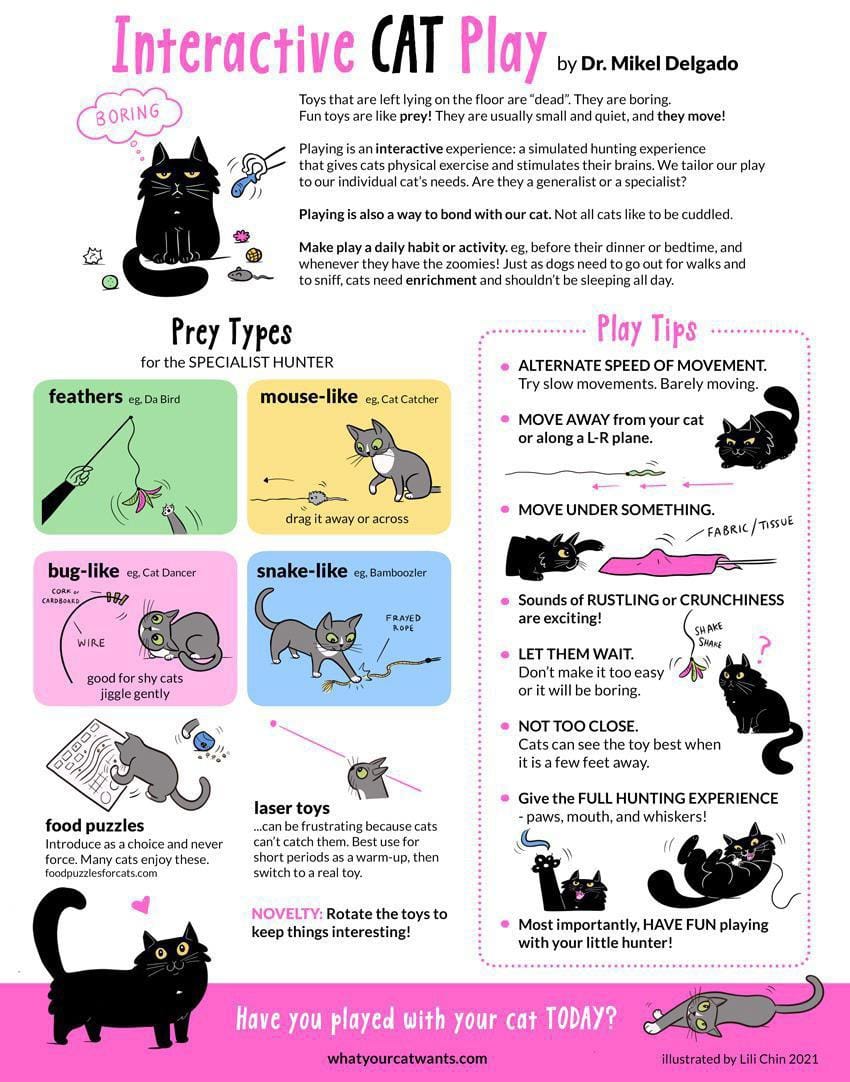
Cats are intelligent creatures capable of learning a variety of tricks, debunking the myth that they cannot be trained. Teaching your feline companion simple commands not only provides mental stimulation and enrichment but also significantly deepens the bond between you and your pet. Many cats already follow routines, and training tricks is a natural extension of this learning process. This guide will focus on three fundamental tricks: coming when called, sitting, and offering a high five.
For successful training sessions, you’ll need a quiet, comfortable space, your cat’s favorite high-value treats or a beloved toy, and approximately 15 minutes of your time. A clicker or any object that makes a distinct clicking sound can also be beneficial, though not essential. Remember, positive reinforcement is key; patience and consistency will yield the best results, turning training into an enjoyable bonding experience.
Teaching Your Cat to Come When Called
The “come when called” trick is incredibly useful and can be taught using a clicker and treats. Start in a quiet area. Click and treat your cat a few times to associate the sound with a positive reward. Then, when your cat looks at you, click and offer a treat. Repeat this process, gradually increasing the distance and rewarding her as she approaches you. Once she consistently comes to you, introduce a verbal cue like “Come” or “Here” just before she receives the click and treat. Practice calling her from different rooms and eventually without the clicker, rewarding her with treats, praise, or play whenever she responds. This consistent positive reinforcement strengthens the association between the cue and the desired action. For more advanced training concepts, consider exploring resources on general kitten training tips.
Mastering the “Sit” and “Sit Pretty” Commands
Teaching your cat to sit is another valuable trick. Sit on the floor or place your cat on a slightly elevated surface. Hold a treat above her head; as she follows it, she will naturally lower her rear, and you should say “sit.” Click and treat the moment her rear touches the ground. Keep these sessions short, ideally only four to six repetitions, to prevent boredom. Once your cat reliably sits on the verbal cue, you can phase out the clicker.
To teach “sit pretty,” build upon the basic sit. With your cat already in a sitting position, hold the treat higher above her head, prompting her to sit up on her hind legs. As she achieves this position, say “Pretty,” then click and reward. As with all training, patience is crucial, and you can find further guidance on what can you train cats to do.
The Fun “High Five” Trick
The “high five” trick looks impressive but is relatively easy to teach. Ensure you are at your cat’s eye level. Hold a treat at her shoulder height. When she instinctively reaches out a paw to touch the hand holding the treat, click and reward her. After several repetitions, she’ll understand that touching your hand leads to a reward. Gradually, stop holding the treat in that hand and offer your open palm instead. When she touches your palm, click and reward her with the treat from your other hand. Finally, present your hand in a palm-up position, give the verbal cue “High five!”, and click and reward when she complies. Understanding individual cat personalities can also be helpful; for instance, research on are male or female cats easier to train might offer insights.
General Training Tips
Keep training sessions brief and frequent—two or three short sessions a day are more effective than one long one. Always use positive reinforcement, such as treats, praise, or play, and never punish your cat for mistakes. If your cat loses interest, simply end the session and try again later. Remember that patience is paramount; each cat learns at its own pace. Embrace these training moments as valuable time to bond with your feline friend, enjoying the process as much as the outcome. For related topics on feline behavior and training, you might find the information on kitten and litter box training beneficial.
This article was reviewed/edited by board-certified veterinary behaviorist Dr. Kenneth Martin and/or veterinary technician specialist in behavior Debbie Martin, LVT.
