
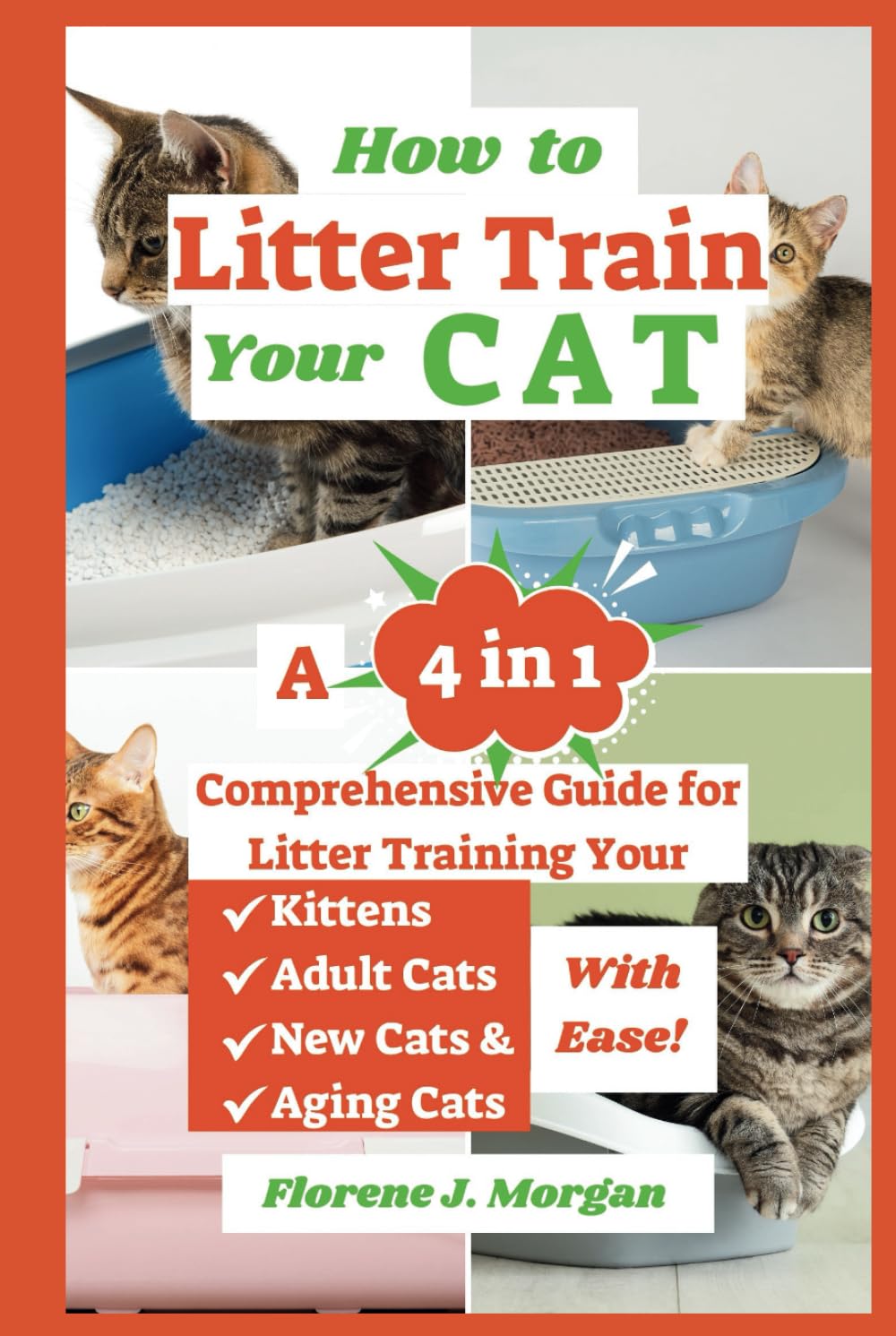
Bringing an adult cat into your home can be a rewarding experience, but it may also come with unique challenges, such as litter box training. While kittens often pick up this skill naturally, older cats might require a more patient and structured approach. This guide will walk you through the essential steps to successfully litter train your adult feline companion, ensuring a harmonious living environment. The process is similar to training a kitten, with the primary difference being that it might take a bit longer for an adult cat to adapt.
Setting the Stage for Success
Before you even begin the training process, it’s crucial to set up your cat for success by addressing their environmental needs and preferences.
Choosing the Right Litter
Cats are notoriously particular about their litter. If your cat dislikes the litter you’ve chosen, they may refuse to use the litter box altogether. Preferences can vary widely, with some cats favoring clumping litter while others prefer non-clumping varieties. Consulting resources like a complete guide to choosing the best cat litter for you and your cat can help you navigate these choices.
Selecting the Ideal Litter Box and Location
Beyond the litter itself, the litter box and its placement are vital. Many cats dislike covered litter boxes because they can feel vulnerable without a clear view of their surroundings. Additionally, older cats might find it challenging to get in and out of boxes with high sides. The ideal location for a litter box is a quiet, low-traffic area where your cat feels safe and won’t be disturbed. For more detailed advice, refer to guidance on where to put a cat litter box: the dos and don’ts.
Ensuring Sufficient Litter Boxes
Experts at the Waltham Petcare Science Institute recommend having one litter box per cat in your household, plus an extra one. For senior cats or those with mobility issues, consider adding more litter boxes to minimize any potential hassle.
Maintaining Impeccable Cleanliness
Cats have high hygiene standards, so be prepared to scoop the litter box frequently. Keeping the litter box clean is paramount to encouraging your cat to use it consistently.
The Litter Training Process
Once you have the environment optimized, you can begin the training itself.
Gentle Introduction to the Litter Box
Begin by introducing your cat to the litter box. Encourage them to enter it or at least investigate the area. It’s beneficial to place them in or near the box after naps, eating, or drinking, as these are times they are most likely to need to relieve themselves.
Guiding Your Cat Towards the Right Choice
Consider confining your cat to a smaller, restricted area of your home initially, with their litter box readily available. Once they have grasped the concept of using the litter box, you can gradually grant them access to the entire house.
Positive Reinforcement for Success
When your cat successfully uses the litter box, offer calm, enthusiastic praise and a small treat. This positive reinforcement helps them associate using the litter box with a rewarding experience, encouraging them to repeat the behavior.
The Ineffectiveness of Punishment
Punishing or scolding your cat for accidents is counterproductive. It will not teach them to use the litter box and can instead lead to fear and anxiety surrounding the litter box or even you.
Addressing Accidents Calmly
When accidents do happen, address them calmly. Use an enzymatic cleaner specifically designed to eliminate pet odors. This is crucial because if your cat can still detect the scent of their urine, they may be inclined to use that spot again.
Timeline for Litter Training
The time it takes to litter train an adult cat varies depending on the individual. However, by establishing the right conditions—the correct litter and box in an appropriate location—and consistently applying positive reinforcement, many cats become proficient litter box users within 4 to 6 weeks.
Troubleshooting Persistent Litter Box Avoidance
Several factors can contribute to a cat’s reluctance to use their litter box. It could be dissatisfaction with the litter type, the box’s location, or underlying health issues. Resources like “Help, my cat is refusing to use the litter tray” can offer further guidance. If you are concerned about your cat’s litter box habits, it is always advisable to consult with your veterinarian.
Don’t miss our complete guide to choosing the best cat litter for you and your cat.
