
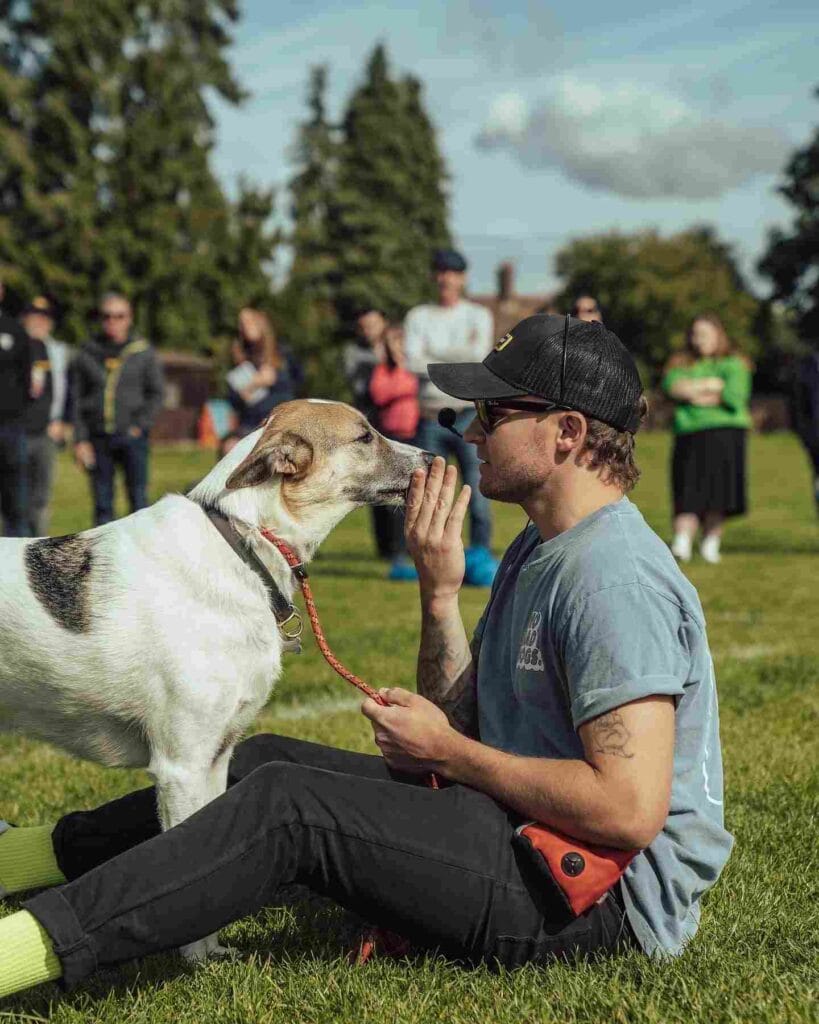
Teaching your dog to reliably come when called is a cornerstone of obedience training, yet it’s a command that often frustrates owners. While the basics of calling your dog and rewarding them might seem straightforward, maintaining that response amidst distractions or preventing it from deteriorating requires a deeper understanding of canine behavior and training techniques. This guide delves into the art of a solid recall, offering insights for both novice and experienced dog owners looking to strengthen this crucial command.
The effectiveness of a recall command hinges on consistency and positive reinforcement. The fundamental principle to remember is the “Golden Rule of Recall”: never utter the command “come” unless you can enforce it. This strategy aims to instill in your dog the understanding that responding to your call is not optional. The key to achieving this is through dedicated and progressive practice.
The Power of Consistent Practice
Begin by practicing the recall command in a controlled environment with minimal distractions, such as your home, with your dog on a leash. Once your dog demonstrates a 100% success rate in this setting, gradually introduce more distractions. This might involve practicing in your neighborhood, where you may need to revert to using a leash if distractions become too challenging. As your dog’s reliability increases, you can progress to using a long line in more stimulating environments like a park. This gradual increase in difficulty, coupled with a leash or long line when needed, helps build a robust recall that withstands various circumstances. Remember, consistent, short training sessions of 10-15 recalls a couple of times a day can yield significant improvements without demanding excessive time.
Positive Reinforcement and Association
It is equally crucial to ensure that positive and highly rewarding experiences are consistently associated with the recall command. When your dog successfully comes to you, offer high-value treats, engage in a game of fetch, or shower them with verbal praise, emphasizing what a good dog they are. Equally important is allowing your dog to return to their previous activity after being called and rewarded. This prevents them from learning that coming to you signals the end of fun, thereby encouraging them to respond eagerly to future calls. For example, after a successful recall and reward, gently encourage them to return to sniffing an interesting spot or playing with a toy.
Preventing the “Recall Dance”
A common issue dog owners face is the “recall dance,” where a dog approaches but playfully evades capture. To prevent this, teach your dog that “come” means coming directly to you and allowing physical contact, such as a gentle collar grab, before receiving their reward. Alternatively, train them to “come” and then sit obediently by your side. Both methods help your dog understand the desired outcome of the command and avoid frustrating evasion games.
Strategic Off-Leash Recalls
Exercising caution with off-leash recalls is paramount. Avoid calling your dog to come when you are reasonably sure they will not respond, such as in a busy dog park. Standing and repeatedly calling an ignoring dog teaches them that the “come” command is optional. In such situations, it is more effective to approach your dog and calmly leash them yourself. When practicing with a long line, you can issue the “come” command and gently reel them in if necessary, rewarding them before allowing them to return to play. This reinforces the recall while maintaining control.
The Unbreakable Rule: No Punishment
A critical aspect of recall training is never associating the command with punishment. Calling your dog only to scold them or confine them can severely damage their trust and willingness to come to you. Your dog will not differentiate between being punished for a specific transgression and being punished for the act of coming to you. Therefore, avoid calling your dog for any unpleasant activity, such as bath time or crating when you leave for work. In these instances, it’s best to go and retrieve your dog yourself.
Key Takeaways for a Reliable Recall
In summary, building a strong recall involves:
- Consistent Practice: Train often in situations where you can enforce the command, starting with low distractions and gradually increasing the difficulty.
- Positive Association: Ensure that coming to you is always a rewarding and enjoyable experience.
- Clear Expectations: Teach your dog what “come” specifically entails, whether it’s allowing a collar grab or sitting by your side.
- Strategic Application: Use the recall command wisely, especially when off-leash, and avoid calling your dog when you know they are unlikely to comply.
- Never Punish: Always maintain a positive association with the recall command, never using it as a precursor to unpleasant events.
By consistently applying these principles, you will undoubtedly witness a significant improvement in your dog’s recall responsiveness. Happy training!
