
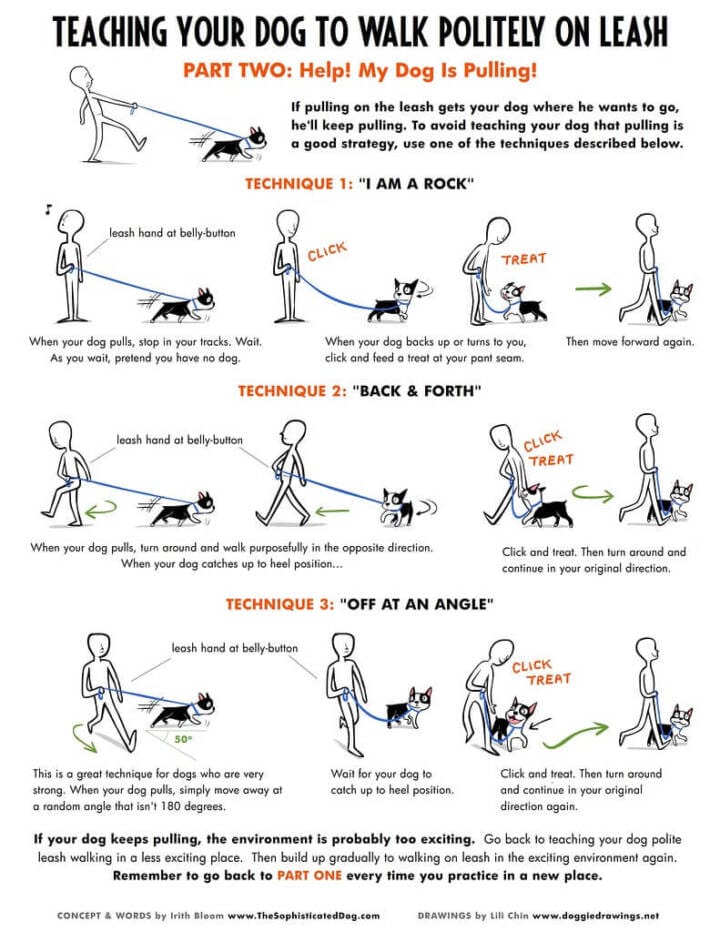
Leash pulling is a common problem for dog owners, leading to frustrating walks and even potential injury. While it’s against the law and unsafe to let your dog off-leash in most public areas, keeping them on a leash doesn’t have to be a constant battle. This guide, drawing from expert advice, offers ten practical strategies to teach your dog polite leash manners, transforming your walks from a tug-of-war into a harmonious experience. The key is consistency, positive reinforcement, and understanding your dog’s motivations. Teaching your dog to walk politely on a leash requires patience and a strategic approach.
Reward Good Leash Behavior Consistently
Never take your dog’s good behavior for granted, especially when walking politely on a leash. Dogs are motivated to repeat behaviors that are rewarding, whether through treats, praise, or opportunities to explore their environment. If you only focus on correcting unwanted behavior and overlook the good, your dog may resort to less desirable methods to get what they want. Always reinforce polite walking with a reward, such as a small treat, a gentle pet, or verbal praise. In the initial stages of training, reward frequently and generously. As your dog improves, you can gradually reduce the frequency of treats, substituting them with privileges like sniffing a plant or interacting with another dog.
Never Walk When Your Dog is Pulling
Your dog pulls because they are eager to move forward, and allowing them to do so while pulling essentially rewards that very behavior. To avoid reinforcing this habit, immediately stop walking the moment your dog starts to pull. Stand firm, plant your feet, and wait patiently for your dog to either return to your side or ease the tension on the leash. This teaches them that pulling halts forward progress.
Wait for a Loose Leash Before Proceeding
Once your dog stops pulling and the leash slackens, wait for them to regain their focus on you. The leash should hang in a J-shape, indicating a relaxed state. As soon as your dog looks back at you or naturally returns to your side, offer praise and a reward. Then, resume your walk. Initially, you may need to stop and start frequently, even with every few steps. However, your dog will soon learn that pulling stops the walk, while walking politely allows it to continue. How to teach dog to stop pulling on leash effectively relies on this immediate feedback loop.
Integrate Life Rewards During Walks
Walks should be more than just a potty break; they should offer physical exercise and mental stimulation for your dog. When focusing on leash training, it can seem like these benefits are on hold. To enhance both training and the walk experience, incorporate “life rewards” for good behavior. These are everyday enjoyments your dog values, such as the chance to sniff an interesting spot or greet a friendly stranger. For instance, if your dog walks ten feet without pulling, allow them a few minutes to explore a scent. These added bonuses reinforce the idea that polite leash walking is highly rewarding.
Maintain a Brisk Walking Pace
Often, humans adopt too leisurely a pace for dogs, even small breeds who can move surprisingly fast. This difference in pace can contribute to pulling as dogs are eager to get moving. To keep your dog more engaged and less inclined to pull, find a pace that suits both of you. While teaching your dog to match your speed is possible, a slightly quicker pace during the training phase can make it easier for them to learn not to pull.
Be Consistent with the No-Pulling Rule
It’s understandable to be tempted to let your dog pull when you’re in a rush or facing adverse weather. However, maintaining a consistent no-pulling rule is crucial, regardless of the circumstances. Allowing pulling at any time can undo previous training progress. Until your dog consistently walks politely for more than a few feet, it’s best to let them relieve themselves in the yard or at the curb, saving longer walks for dedicated training sessions. Teach your dog to stop pulling on the leash requires unwavering commitment.
Keep Training Sessions Brief and Enjoyable
Working with a persistent leash-puller can be frustrating, and progress might seem slow initially. Instead of pushing until both you and your dog become stressed, keep training sessions short, positive, and upbeat. Puppies, in particular, have limited attention spans, so overwhelming them with extended training is counterproductive. Remember, the goal isn’t to cover a specific distance but to achieve loose-leash walking, even if it’s just to the end of your driveway.
Be an Engaging Walking Companion
The world is a fascinating place for dogs, brimming with new sights, sounds, and especially smells, all of which compete for their attention and can lead to pulling. If you’re distracted by your phone or not actively engaging with your dog, they have little incentive to pay attention to you. However, by being interesting and observant, you encourage your dog to follow your lead. Converse with your dog, incorporate brief training exercises, pause for a quick game, and generally keep them anticipating your next move.
Maintain a Calm Demeanor
During walks, you may encounter various situations that can elicit strong emotions in your dog, whether it’s seeing a familiar neighbor or encountering a barking dog. It is essential for you to manage your own emotions. Dogs are adept at sensing human feelings, and your mood can transfer through the leash, potentially escalating your dog’s excitement or anxiety. To help your dog remain calm, you must remain calm yourself. Your relaxed state signals to your dog that there is no cause for alarm, making them more receptive to your guidance and more likely to behave appropriately.
Engage Your Dog Amidst Distractions
When distractions such as other dogs, squirrels, or unfamiliar people appear, dogs can easily forget their training and revert to pulling. These situations can make them nervous or overly excited, causing them to pull towards or away from the perceived threat or excitement. To help your dog manage these distractions, redirect their focus back to you. Offer calm praise or engage in a simple game, like asking for a sit or a hand target. These exercises are easy for your dog to perform and will keep them occupied as the distraction passes. Teaching your dog the “watch me” cue can also help them make eye contact with you, allowing you to control their gaze. Be proactive by capturing your dog’s attention before they notice the distraction, increasing the chances they won’t be deterred.
For expert guidance from experienced trainers or if you have further questions about dog training, explore the resources at the AKC GoodDog! Helpline for online chat support or to register for their program. The AKC GoodDog! Helpline has been assisting dog owners for ten years, offering expert advice via phone or video for a wide range of training needs, from puppy house-training to addressing unwanted behaviors in senior dogs. Join the nearly one million dog owners who rely on the AKC GoodDog! Helpline for trusted support.
