
It’s a common observation that many cat lovers are also plant enthusiasts. While the reason for this shared passion remains a mystery, the reality is that cats often develop an inclination to chew on houseplants. This can be particularly frustrating when they target your most prized specimens, like a Variegated Monstera, rather than a neglected orchid. Furthermore, some common houseplants are toxic to cats, posing a serious health risk. Understanding why your cat is munching on your plants—whether it’s due to nutritional deficiencies, boredom, or a bid for attention—is the first step toward providing a safe and suitable alternative, thereby protecting your beloved greenery.
The most effective method to discourage this behavior involves addressing the root cause. Traditional disciplinary methods, like spray bottles, can create fear and anxiety, while a silent signal recommended by veterinarians taps into a cat’s natural hunting instincts. Cat behaviorists advocate for understanding and redirecting these instincts.
The most common motivations for a cat eating plants can be addressed with these solutions:
- Isolate your most valuable plants.
- Train your cat to avoid plants.
- Use deterrent sprays on plants.
- Offer safe, edible alternatives.
Understanding Your Cat’s Plant-Eating Habits
To effectively curb your cat’s plant-chewing behavior, it’s crucial to first understand the underlying reasons. Generally, a cat’s misbehavior stems from a health issue, hunger, a need for attention, or insufficient exercise.
Addressing Potential Health Issues
While occasional plant nibbling is normal for cats, persistent chewing can signal an underlying health problem. If your cat frequently eats plants, a veterinary check-up is recommended to rule out conditions such as dental issues, digestive problems, or stress. Early detection and treatment are key to ensuring your cat’s well-being.
Fulfilling Nutritional Needs
Many of the suggested deterrents will be ineffective if the cat’s underlying needs aren’t met. If your cat is selective about the plants they chew, they might be seeking additional nutrients or fiber. Providing safe, cat-friendly plants, such as catnip or cat grass, can satisfy their urge to chew and distract them from your ornamental plants. These safe alternatives can help fulfill their need for roughage and other beneficial compounds.
Cat grass can be an effective solution to deter your cat from munching on houseplants. My own cat, Mia, used to chew on my plants until I realized she was primarily trying to dislodge a hairball.
Learn how to introduce cat grass to your cat.
Combating Boredom
If your cat seeks attention or is simply bored, increasing interactive playtime is essential. Aim for two to three good play sessions daily. Leaving a variety of rotating toys accessible can also help keep them entertained when you’re not available. Rotating toys prevents them from becoming monotonous and ignored.
Cats possess a strong predatory instinct, and if they aren’t engaging with toys, it might be due to a lack of appropriate stimulation.
Dealing with Lack of Attention
If health, hunger, and boredom are ruled out, your cat’s behavior might stem from simple curiosity. However, if the behavior persists or targets specific plants, it could indicate a search for fiber or nutrients. Consulting your veterinarian about significant changes in your cat’s habits, especially regular plant consumption, is always advisable.
Effective Strategies to Prevent Plant Biting
Here are several methods to stop your cat from chewing on your houseplants, starting with the most effective and progressing to other solutions. I will also cover common mistakes that can inadvertently reinforce this behavior.
Secure Your Plants
The simplest way to protect your plants is to place them out of your cat’s reach. This can involve placing them on high shelves, using hanging planters, or keeping them in rooms your cat cannot access. Hanging plants are not only decorative but also effectively cat-proof.
Train Your Cat with “Leave It” or “No”
Clicker training can be a highly effective method for teaching your cat commands like “NO” or “LEAVE IT.” The process typically involves using a treat to demonstrate the desired behavior.
- Show the Treat: Open your hand to show a treat.
- Issue the Command: When your cat approaches the treat, say “NO” and close your hand.
- Reward: As soon as your cat loses interest, click the clicker and reward them with a treat from your other hand.
Once your cat masters “LEAVE IT” or “NO,” you can apply these commands to deter them from unwanted behaviors, including chewing plants. It’s crucial to avoid inadvertently rewarding the plant-chewing behavior. If you’re new to clicker training, practice positive reinforcement techniques first to avoid reinforcing the behavior you wish to stop.
Use Deterrent Sprays on Plants
Deterrent sprays can discourage cats from chewing plants without causing harm. You can create homemade sprays or purchase commercial products. These solutions deter your cat without harming your plants.
A simple and cost-effective homemade spray can be made with water and vinegar. Cats dislike the smell, and it’s safe for plants. Mix equal parts water and vinegar in a spray bottle.
Another option is an essential oil spray. However, exercise extreme caution. Cats have a limited ability to metabolize essential oils due to a lack of a specific enzyme in their liver. Phenolic compounds found in some essential oils can be toxic to them. While a single drop diluted in water may be low-risk, it’s best to be vigilant. Safer essential oils to consider include citronella, lavender, peppermint, or lemongrass.
Using cayenne pepper is sometimes recommended, but it can irritate your cat’s eyes and cause self-harm if they attempt to clean it off.
Avoid Spraying Cats Directly
While positive punishment can stop a behavior, it often leads to negative consequences:
Water Sprays Can Cause Anxiety
Spraying your cat with water when they misbehave can induce anxiety and fear, potentially leading to more serious behavioral issues like urine spraying, excessive scratching, or aggression.
Spraying Can Damage Your Bond
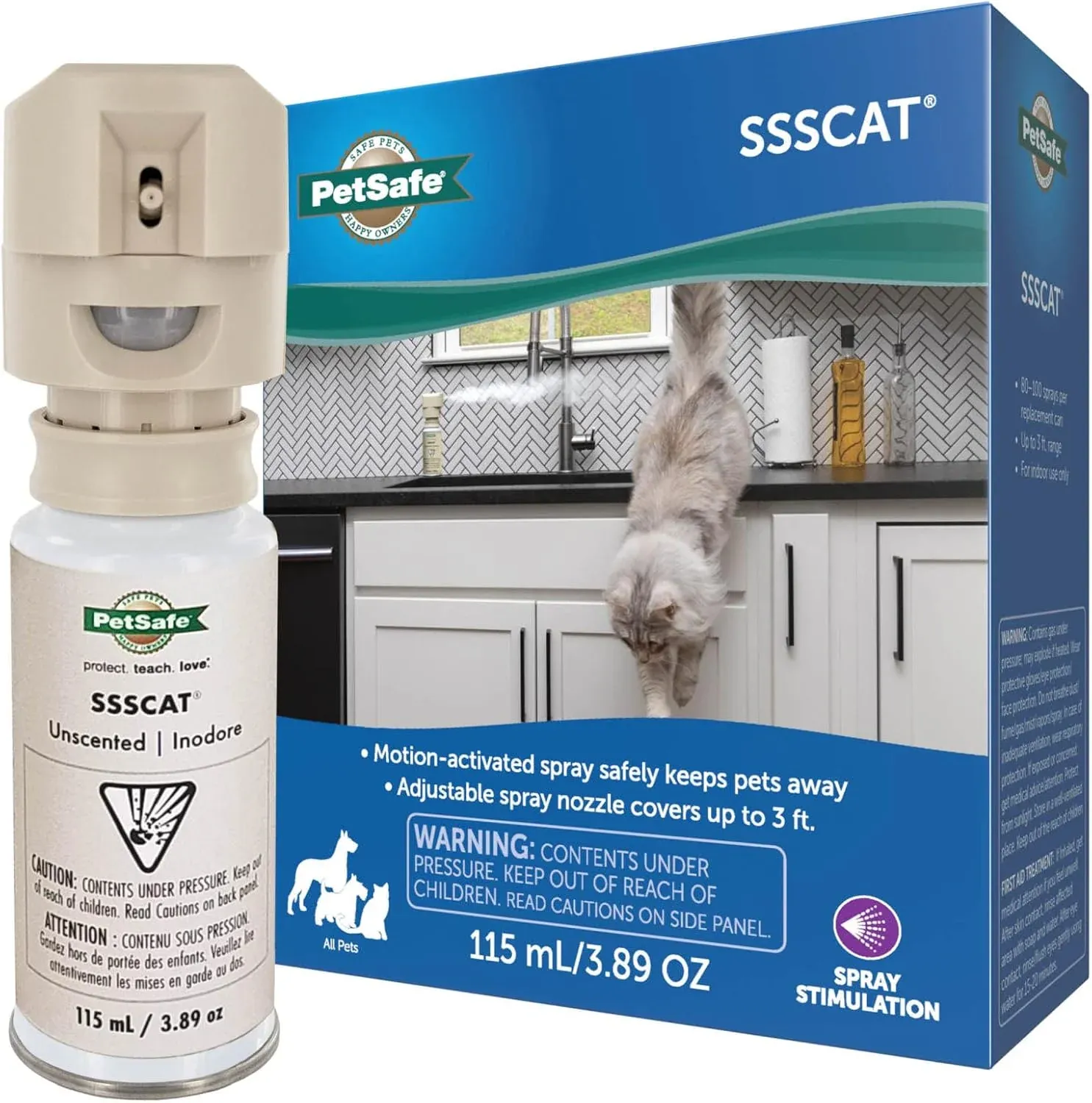
The goal is to make the cat associate the plant with an unpleasant experience, such as a sudden air or water spray. Sensor-activated air sprays can be triggered as the cat approaches the plant, acting as a deterrent.
 Blog post image
Spray repellents can deter cats from approaching plants.
Purchase spray repellents here.
Alternatively, spraying your cat with water from a distance can be effective, but it’s crucial that the cat doesn’t associate the punishment with you. Be discreet and avoid yelling to maintain a positive relationship. Verbal cues and positive reinforcement are generally more constructive than using a spray bottle.
Focus on the Root Cause, Not Just the Symptom
The most effective approach to stopping your cat from eating plants is to address the underlying motivations. If your cat is selective, they might be seeking specific nutrients or fiber. Providing safe alternatives, such as catnip or cat grass, can satisfy their chewing instincts and redirect them from your prized plants.
If boredom or a need for attention is the driver, increase interactive playtime. Two to three daily play sessions should be sufficient. Rotating toys can also help maintain their interest and prevent boredom.
You Might Be Accidentally Encouraging Plant Eating!
If you find this information helpful, consider exploring our YouTube Channel for weekly content on enhancing your cat’s life.
Encouraging outdoor activity can be more rewarding than keeping plants indoors. Your cat will likely enjoy the fresh air, and so will you!
Assess your cat’s readiness for outdoor adventures.
Before concluding, it’s vital to understand what not to do:
- Do not reward the behavior: If your cat attacks plants seeking attention, food, or play, and you immediately cater to their needs, you are reinforcing the behavior. This teaches them that plant destruction is an effective way to get your attention.
- Avoid self-punishment: Punishing your cat yourself may deter them when you are present, but it won’t prevent the behavior when you’re away. More importantly, your cat may associate the punishment with you, leading to fear or resentment.
This post is the first in a series about preventing unwanted cat behaviors. Explore other articles in this series.
Stay Wild, Stay Safe, See You Outdoors!
Albert & Mia
