
Water is an essential component of a cat’s diet, just as it is for humans. Ensuring your feline companion has constant access to fresh, clean water is paramount for their health and well-being. Domestic cats are descendants of the African wildcat, a creature adapted to arid environments and capable of surviving on less water than dogs. However, this doesn’t make them immune to dehydration, which can trigger common health issues such as constipation, lower urinary tract disease, and urinary blockages, particularly in senior cats aged 11 and above, whose kidneys require additional support. It’s crucial to remember that milk, cream, or any other liquid cannot substitute for water in a cat’s diet, especially since many cats are lactose intolerant and may experience digestive upset from dairy products.
Tips for Increasing Your Cat’s Water Intake
If you’re concerned that your cat isn’t drinking enough, several strategies can help encourage them:
1. Daily Water Bowl Refreshment
Just as you wouldn’t want to drink stale water, your cat will appreciate a fresh bowl daily. Providing clean water consistently is a simple yet effective way to encourage drinking.
2. Strategic Bowl Placement
Cats often prefer to drink in various locations throughout the house. By placing multiple water bowls in different spots, you ensure a water source is always within easy reach, making hydration more convenient.
3. Experiment with Different Bowls
A cat’s preference for a particular type of bowl can significantly influence their drinking habits. Plastic and metal bowls can sometimes impart an undesirable taste to the water. Opting for ceramic or glass bowls is often a better choice. Many cats also prefer wide, shallow bowls, which allow them to maintain awareness of their surroundings while drinking and prevent their sensitive whiskers from brushing against the bowl’s sides. Allowing your cat to sit behind the bowl provides a greater sense of security and visibility.
4. Introduce a Cat Water Fountain
The allure of moving, fresh water can be irresistible to many cats, explaining their fascination with drinking from faucets. Pet water fountains are readily available online and in pet stores, mimicking the appeal of running water and encouraging increased consumption.
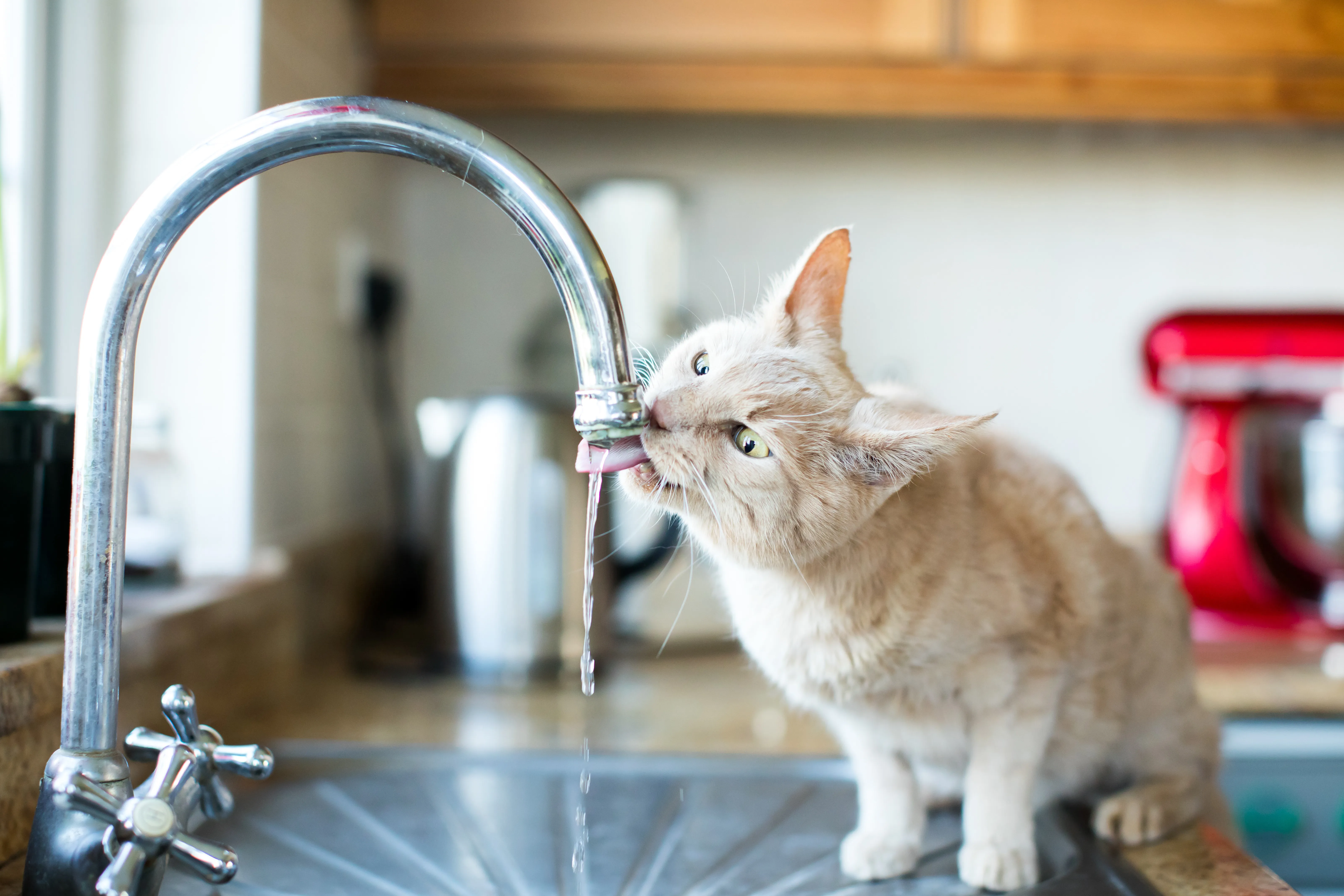 Light-ginger tabby cat drinking running water from a silver tap
5. Separate Water and Litter Trays
Instinctively, cats prefer to keep their drinking and toileting areas separate, a behavior inherited from their African wildcat ancestors who would eliminate away from their water sources to prevent contamination. If possible, place water bowls and litter trays in different rooms to honor this natural inclination.
6. Distinguish Food and Water Bowls
Similarly, cats are hesitant to drink near their food. This behavior also stems from their wild ancestry, where they sought to avoid the contaminants of prey’s gut contents from compromising their water supply. Designate separate areas for their food and water bowls.
7. Transition to Wet Food
Wet cat food typically contains a high moisture content, around 70-80%, which significantly contributes to a cat’s daily water intake through their diet. Cats primarily fed dry kibble will naturally need to drink more water. When switching your cat’s food, a gradual transition is recommended to prevent digestive upset.
8. Enhance Water Appeal
Adding a few drops of tuna juice (ensure it’s packed in water, not oil) or low-sodium chicken broth to their water can make it more enticing. Be mindful of the salt content, as excessive sodium is unhealthy for cats.
Understanding Why Cats May Drink Less
A common practice is placing water bowls near food bowls, but this contradicts a cat’s natural instinct to separate areas for eating, drinking, and toileting, a behavior rooted in their African wildcat heritage to maintain hygiene. Cats also exhibit preferences for wide bowls, whether ceramic or plastic, though plastic can affect water taste, and many are drawn to running water. If you notice any changes in your cat’s behavior, including alterations in their drinking or eating patterns, it could indicate an underlying medical issue, and consulting your veterinarian is essential.
Monitoring Your Cat’s Water Consumption
To accurately track your cat’s daily water intake, follow these steps:
- Begin by filling a measuring jug with a specific amount of water and record this quantity.
- Dispense this measured water into your cat’s water bowls.
- At the end of the day, pour any remaining water back into the measuring jug and note the amount.
- Subtract the leftover water from the initial amount to determine how much your cat has consumed.
Alternatively, you can invest in a smart water bowl, such as the Sure Petcare Felaqua® Connect. This innovative device automatically monitors your cat’s water intake and replenishes the bowl with fresh water as needed, providing peace of mind.
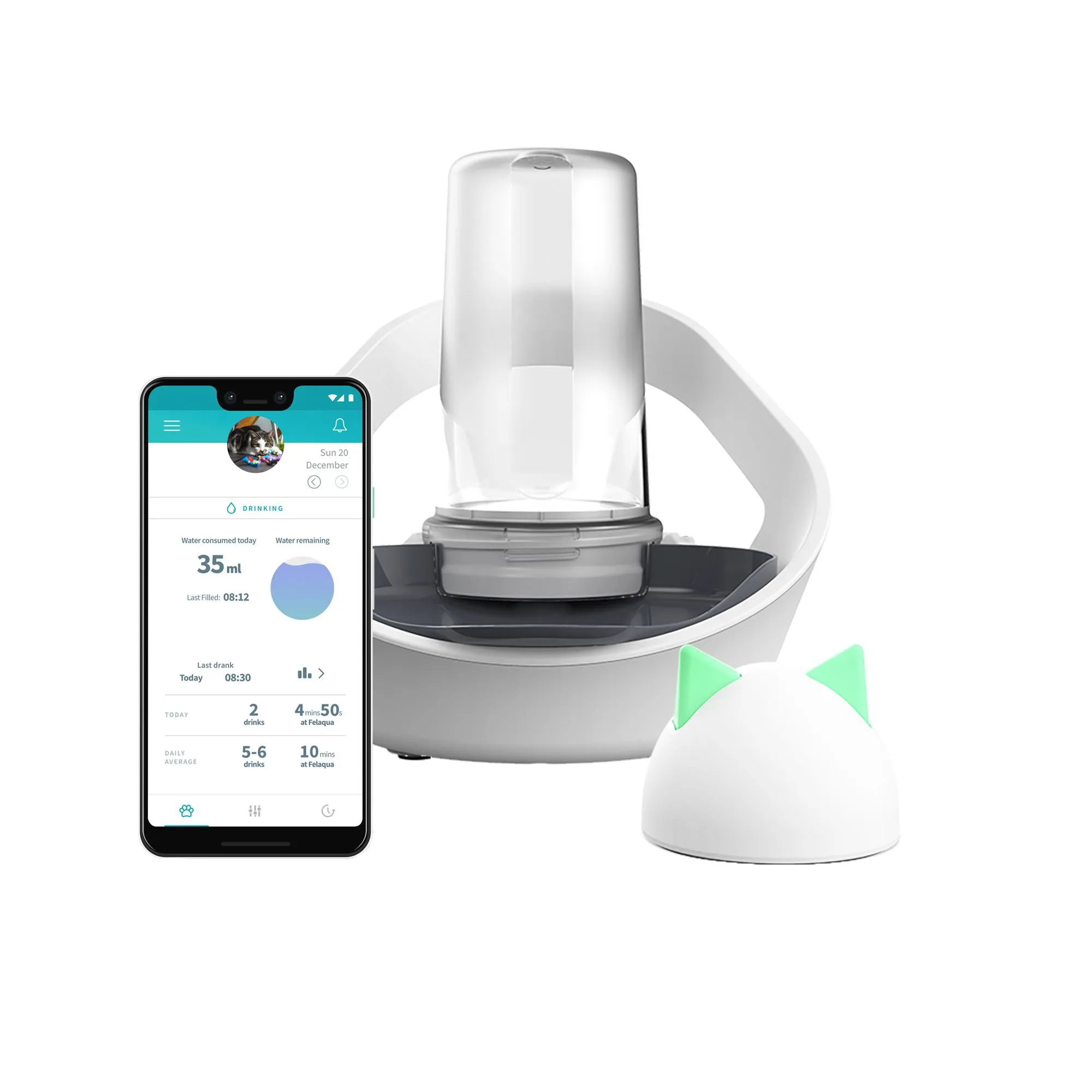 Sure Petcare Felaqua Connect water bowl next to smartphone showing Sure Petcare app
Through a special arrangement with Sure Petcare, you can obtain a discount on their products, including the Felaqua Connect, while simultaneously supporting Cats Protection. Learn more about Sure Petcare’s product range and how to receive your discount.
For further guidance on feline hydration, Find more advice on cats and drinking.
