
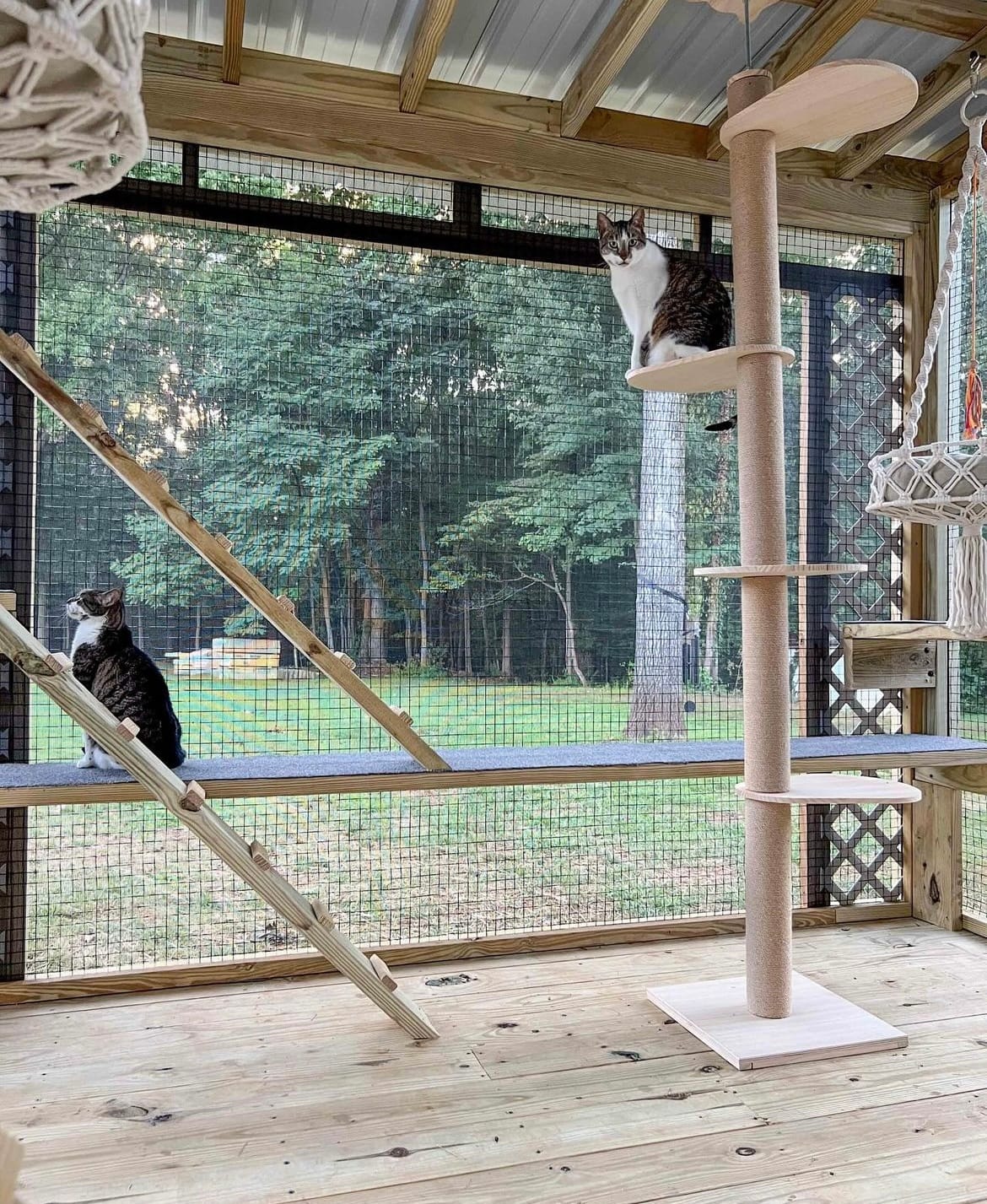
Cats are natural climbers, and their instinct to seek out elevated spots can sometimes lead them to jump onto tables and counters. While this behavior is deeply ingrained, understanding the reasons behind it and implementing gentle training methods can help create a harmonious living environment for both you and your feline companion. This article explores why cats are drawn to heights and provides practical strategies for managing their climbing habits effectively and humanely.
Understanding Your Cat’s Need for Heights
Cats naturally gravitate towards high places for several key reasons, all rooted in their instincts for survival and comfort. These elevated perches offer a strategic vantage point, allowing them to survey their territory and feel a sense of control. High spots also provide a crucial sense of safety, helping them escape perceived threats from other pets or even household noises. Additionally, many cats enjoy the warmth of sunny spots often found on elevated surfaces, like the top of a refrigerator. Tables and counters can also be appealing due to the presence of food or fallen crumbs.
Providing Acceptable Alternatives
Instead of trying to suppress your cat’s natural desire to climb and jump, the most effective approach is to provide them with appropriate outlets for this behavior. Offering engaging alternatives will make your cat happier and less likely to seek out forbidden surfaces.
A well-designed indoor cat tree is an excellent solution. Look for furniture that includes sturdy platforms, cozy hiding spots, and textured posts made of materials like sisal or bark, which are appealing for scratching. Enhancing the appeal of these cat trees with comfortable bedding can make them even more inviting. Alternatively, you can install cat shelves on walls or windowsills, offering vertical space for your cat to explore.
Gently Discouraging Unwanted Behavior
Consistency and positive reinforcement are key when guiding your cat away from off-limit areas. Keeping kitchen surfaces clean and free of food can reduce the temptation for your cat to jump up. Dividing your cat’s daily food allowance into several smaller meals might also help manage their interest in counter surfaces.
When you observe your cat on a table or counter, avoid harsh punishments like yelling or chasing, as these can lead to fear and damage your bond. Instead, consider gentle deterrents. A quick, startling deterrent like a squirt of water from a distance (aimed at the rear, not the face) or a can of compressed air can be effective when your cat doesn’t see you. Alternatively, firmly saying “no” while gently moving your cat to the floor can also be a clear signal.
Utilizing Environmental Punishers
Environmental “punishers” are particularly useful because they work even when you’re not present, preventing your cat from associating you with the discomfort. This approach teaches your cat that the space itself is unpleasant, rather than learning to avoid you.
Many commercial deterrents are available, but you can also create effective homemade options. Cats generally dislike the scent of citrus and certain disinfectants, so cleaning surfaces with a citrus-scented cleaner can be a deterrent. Covering surfaces with double-sided tape or specialized sticky mats can make them unappealing to walk on. Another option is to place a few pennies inside aluminum cans and arrange them along the edge of countertops; the noise they make when falling can startle your cat and discourage them from jumping up. It is crucial that any environmental deterrent used is safe and only serves to startle or create mild discomfort, never causing physical harm.
For any training method to be successful, consistency is paramount. Allowing your cat on the counter sometimes and then discouraging it at other times will only lead to confusion. Your cat needs clear and consistent boundaries to understand what is expected.
Finding a Cat Suited to Your Environment
When choosing a new cat, you might be able to find one whose temperament naturally aligns with your preferences. Some domestic shorthaired cats reportedly have a lower inclination for heights, though this would require insight from a previous owner or shelter. The Ragdoll breed is also sometimes cited as disliking heights.
What Not to Do
It’s essential to avoid certain methods that can be detrimental to your cat’s well-being and your relationship. Never scold, hit, or physically push your cat off surfaces. Such actions are ineffective, can cause injury, and will foster fear and anxiety in your pet. Always ensure that any deterrent used is safe and humane. If using water or compressed air, never aim directly at your cat’s face or ears, and ideally, use these methods discreetly so your cat doesn’t associate you with the unpleasant experience.
By understanding your cat’s natural instincts and employing patient, consistent, and humane training techniques, you can effectively manage their climbing behaviors and ensure a safe and happy home for everyone.
