
Bringing a new kitten into your home is an exciting experience, but it often comes with the challenge of managing their playful, sometimes overly enthusiastic, biting and wrestling. Kittens are naturally energetic and hardwired for play, which is crucial for their social development, motor skills, and hunting instincts. However, when this play involves human hands, feet, or other body parts, it can quickly become a problem. This article will guide you on how to teach kittens gentle play, ensuring a harmonious relationship between you and your feline companion.
The Importance of Play for Kittens
Play is not just a fun activity for kittens; it’s a vital part of their development. Through play, kittens learn to interact socially, hone their motor coordination, and practice their hunting skills. It’s also an essential outlet for their abundant energy. Allowing kittens to engage in play helps them develop self-control and learn appropriate behaviors. Therefore, understanding and guiding their play is essential for owners.
Encouraging Healthy Play Habits
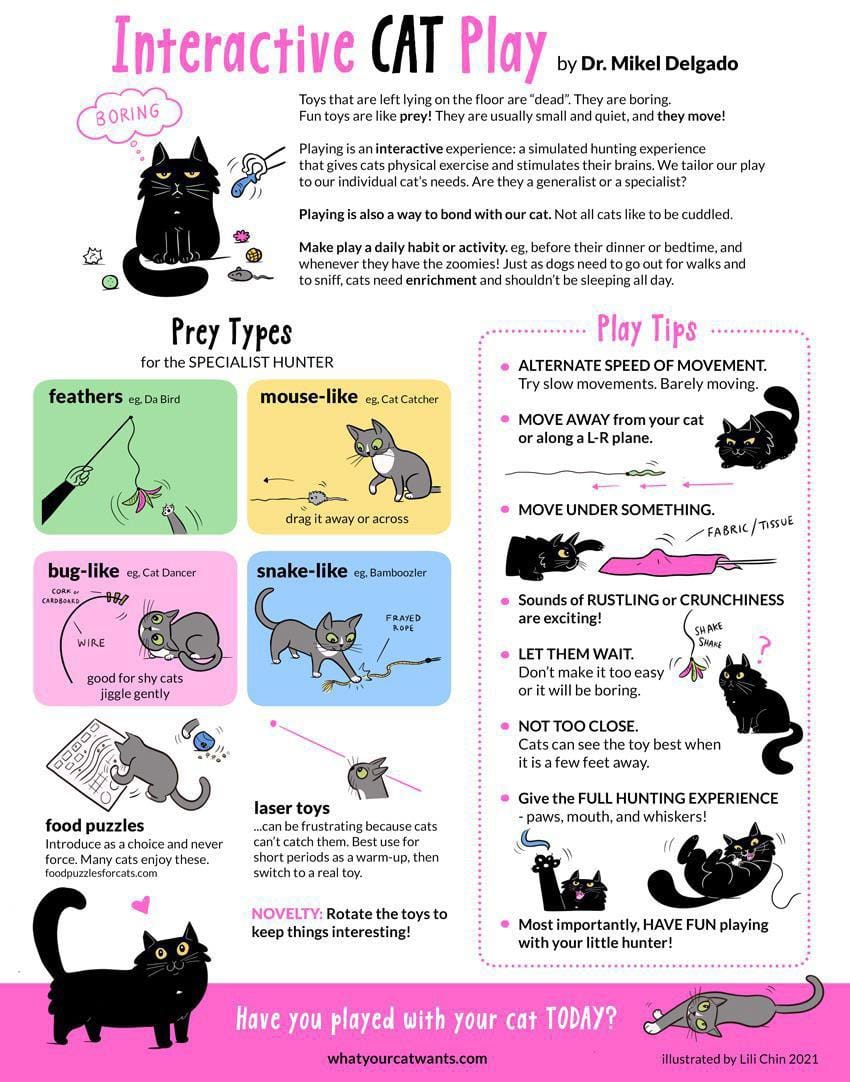
Interactive play sessions are key to managing a kitten’s energy and teaching them how to play appropriately. Aim for several short play sessions throughout the day, as kittens have bursts of energy. Unlike passive toys, interactive toys that you control are crucial because they mimic prey, engaging a kitten’s natural instinct to chase, capture, bite, and shake moving objects.
Setting Clear Boundaries: Toys, Not Body Parts
It is critical to establish a clear rule: never allow a kitten to play with your hands, fingers, or feet. When kittens learn that body parts are acceptable toys, they can become confused and may bite even when you’re not actively playing. This can escalate as the kitten grows, leading to painful bites. Always redirect their playful energy towards toys. Use toys on poles, strings, or soft plush toys that you can toss, ensuring that play remains at a safe distance from your body. It’s also important to allow your kitten to successfully “catch” and bite the toy, as this provides a satisfying end to the chase. Avoid touching your cat during intense play, as this can further excite them.
Winding Down Playtime
Gently ending play sessions helps your kitten learn to calm down. Gradually slow down the toy’s movements, mimicking a prey animal that is finally subdued. Conclude the session with a small treat, signifying a successful “hunt,” and introduce a verbal cue, such as “finished.” Consistent use of this cue will help your kitten associate it with the end of playtime and learn to self-regulate their excitement.
Teaching the “Bite Your Toy” Cue
You can train your cat to associate a specific cue with biting their toys instead of your body parts. Consistency is paramount when teaching any cue.
- Freeze: If your cat mouths or bites any part of your body, immediately freeze. Resist the instinct to pull away, as this can mimic prey struggling and may encourage a harder bite. Freezing makes you less enticing as prey.
- Withdraw Gently: Once your cat releases their bite, slowly and calmly withdraw your body part.
- Redirect: Immediately redirect their attention by offering a toy. You can toss a small toy or engage them with a wand toy, using a cue like “get your toy.”
Always pay close attention to your cat’s body language. Pet your cat only when they appear calm. If they show signs of excitement or nipping, it’s best to offer a toy before petting. If nipping begins, use the “get your toy” cue and present the toy. If you can play with the toy without being bitten, do so. Otherwise, let them play with the toy independently or use a toy with a long wand to maintain a safe distance. Ensure all family members and visitors follow this “freeze-withdraw-get your toy” sequence. With consistent application, your cat will learn to direct their playful bites towards toys, preferring them over your body.
The Benefits of Adopting Kittens in Pairs
Adopting a pair of kittens can significantly simplify the process of teaching gentle play. Kittens in pairs will engage with each other, expending a considerable amount of energy and learning bite inhibition from one another. They can administer gentle “smack-downs” and “head-bops” to each other when play becomes too rough, a natural form of social learning that humans cannot replicate. Moreover, kittens adopted together have a familiar companion, which eases the stress of adjusting to a new environment. If you already have a young, energetic, and nippy cat, introducing a kitten can also serve as an excellent playmate, redirecting their energy and reducing the likelihood of them nipping you.
Beth Adelman, MS, is a cat behavior consultant in New York City. Beth is currently on the executive committee of the feline division of the Pet Professional Guild and is a frequent speaker on cat behavior.
This article was reviewed/edited by board-certified veterinary behaviorist Dr. Kenneth Martin and/or veterinary technician specialist in behavior Debbie Martin, LVT.
