
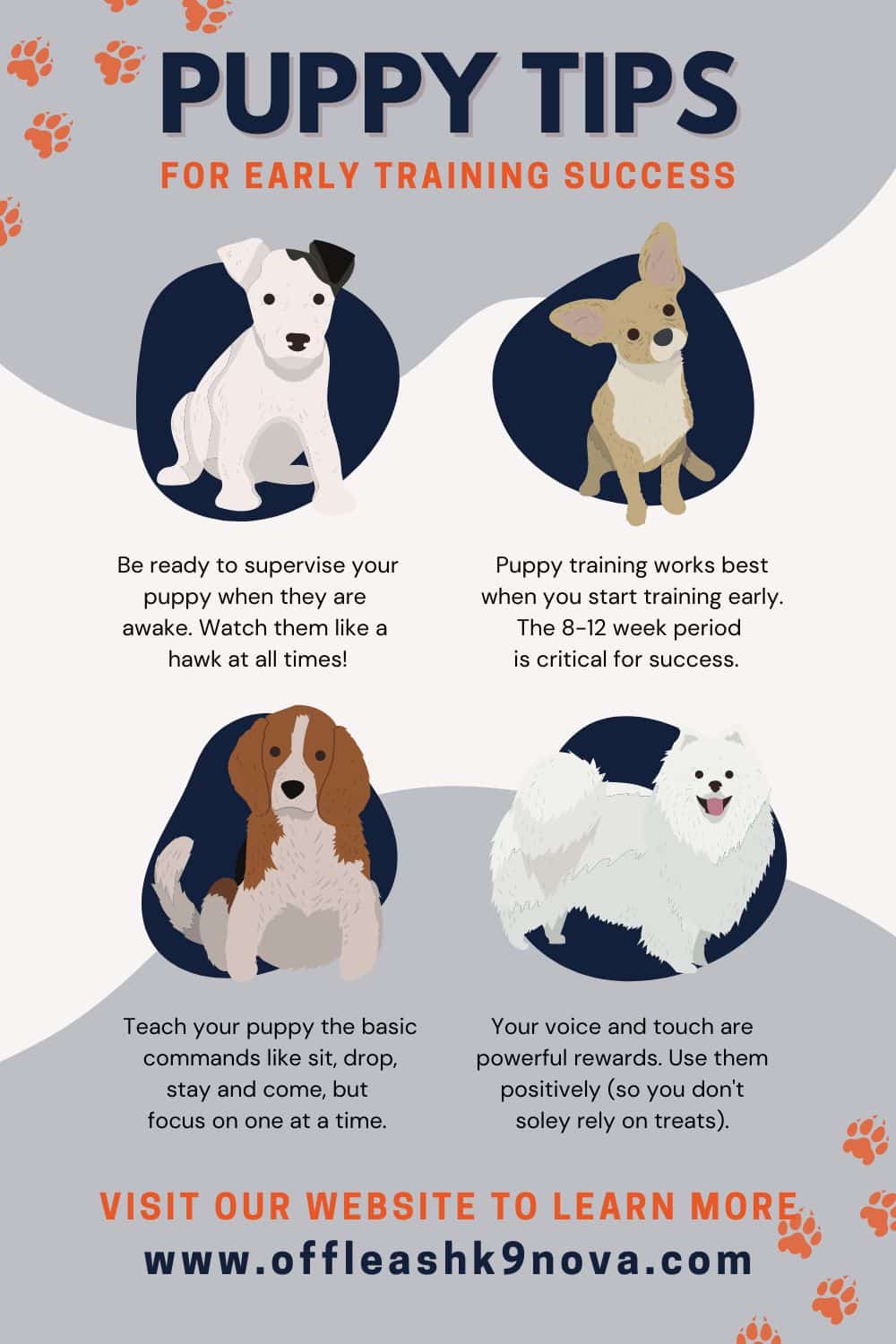
A reliable “stay” command is a cornerstone of good dog manners and advanced training, proving invaluable far beyond the competitive arena of AKC Rally or Obedience. This fundamental skill empowers owners to manage their dogs in various everyday situations, from grooming and answering the door to simply carrying groceries without being underfoot. While many owners find this command challenging, a patient and systematic approach can lead to a dog that stays put with impressive reliability. This guide will walk you through the essential steps to teach your dog a solid “stay” until released.
The concept of “stay” differs significantly from a cue like “wait.” While “wait” implies a temporary pause, “stay” requires your dog to maintain a specific position until explicitly released. Ideally, if you ask your dog to stay and step away for an extended period, they should remain in that exact spot upon your return. This is where the importance of a release cue becomes apparent.
A release cue is a distinct word or signal that signals the end of a behavior, granting your dog permission to move. This concept can be applied to various commands, effectively embedding an automatic “stay” into positions like “sit” or “down.” Consistency is key; choose a release word – common options include “okay,” “free,” or “release” – and use it exclusively to indicate the completion of the behavior. Be mindful that common words like “okay” might be used frequently in daily conversation, so select a release word that minimizes the chance of accidental cues.
Teaching the Release Cue: Starting Small
Before attempting a formal “stay,” it’s crucial to first establish your dog’s understanding of the release cue. This foundational step is best approached with simplicity and patience.
- Begin by asking your dog to assume a “sit” or “down” position.
- After approximately one second, calmly offer your dog a treat while simultaneously saying your chosen release word.
- Encourage your dog to move after hearing the release word. You can achieve this by walking away, clapping your hands, or patting your legs to prompt movement.
- Offer praise as soon as your dog begins to move.
- Repeat these steps consistently until your dog clearly associates the release word with freedom of movement.
Building Duration: Adding Length to the Stay
Once your dog understands the release cue, you can begin incorporating the “stay” command and gradually increase the duration. This process involves focusing on the three Ds of dog training: duration, distance, and distraction. Begin by exclusively working on duration, ensuring you are present with your dog and minimizing any potential distractions in the environment.
- Ask your dog to “sit” or “lie down.”
- Immediately after they comply, present a flat hand signal resembling a “stop sign” and clearly say the word “stay.”
- Wait for a brief moment (one to two seconds), then calmly offer a treat and your release cue.
- Praise your dog as they move after the release.
- Gradually increase the duration of the “stay” by a few seconds at each repetition.
- Once your dog can comfortably hold a stay for 10 seconds or more, you can start rewarding them multiple times during the stay. Periodically offer treats to reinforce their stillness, repeating the “stay” cue and hand signal to remind them that the behavior is ongoing.
It is vital to ensure your dog never perceives self-release as the primary reward. Taking small, progressive steps is far more effective than pushing your dog beyond their current capabilities. Remember that “stay” can be a less engaging behavior for dogs, so prioritize rewarding the act of staying rather than the release itself. This ensures the “stay” remains more rewarding than the eventual freedom. If you utilize a clicker for training, click during the “stay” just before delivering a reward, but refrain from clicking when your dog is released. To prevent confusion, repeat your “stay” cue and hand signal after clicking and treating, just in case your dog associates the click with the end of the behavior.
Troubleshooting Common “Stay” Challenges
Body language plays a critical role when teaching your dog to stay. Any movement on your part can inadvertently lure your dog out of position. Since dogs are accustomed to being in front of you during training sessions, any backward movement might prompt them to follow. If your dog breaks their stay before the release, avoid punishment. This often indicates that you may have unintentionally lured them or asked for too much too soon. Simply reset the exercise by repeating the cues and stepping back in your training to ensure a successful repetition.
Introducing Distractions and Distance
Only after your dog has achieved a solid duration of at least 30 seconds should you begin introducing distractions and distance. Since distance inherently includes a degree of distraction, it’s often best to introduce distance elements last. When adding a new “D,” be prepared to adjust your expectations for the others. For instance, when introducing distractions, even if your dog can hold a stay for two minutes, revert to shorter durations when the distraction is present. Begin with minor distractions, such as clapping your hands, and progressively introduce more significant ones, like tossing a ball. Once your dog can maintain their stay through a variety of distractions, you can resume building duration.
When your dog can reliably hold a 30-second stay amidst distractions, you are ready to incorporate distance. Similar to adding distractions, lower your duration expectations and minimize other distractions during this phase.
- Ask your dog to “stay,” then take a single step backward.
- Immediately return to your dog and offer a treat.
- Release your dog.
- Repeat this process, gradually increasing the number of steps you take away before returning to treat and release.
- Slowly extend the distance until you can comfortably walk to the edge of the room.
Always return to your dog before releasing them. Releasing them from a distance prevents you from rewarding them while they are in the stay position. Furthermore, it can inadvertently teach your dog that a certain distance serves as a release cue, prompting them to approach you. Once your dog demonstrates proficiency with all three Ds independently, you can begin combining them and increasing the challenge by leaving the room or venturing outdoors. By proceeding gradually and patiently, your dog will develop an unwavering “stay” command, regardless of the circumstances.
For essential guidance on puppy-raising, including tailored training, nutrition, veterinary advice, and daily tips, consider subscribing to Pupdate, our weekly email newsletter. It offers customized content based on your puppy’s specific breed and age.
